AI Photos for Instagram
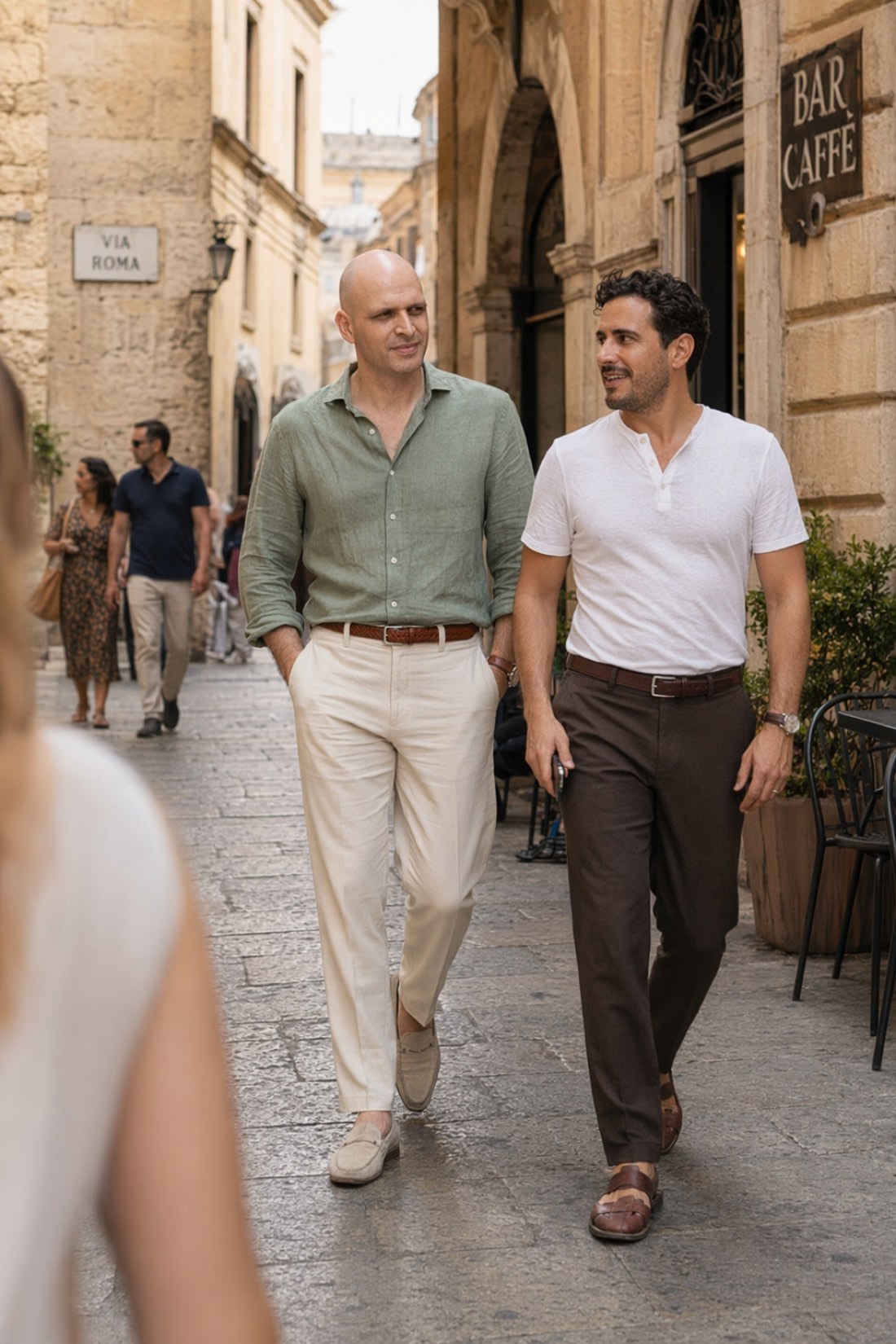
AI photos for Instagram work when they look like photographs somebody took of you, and fail when they look like output. The difference is not the scene or the styling — it is whether the picture keeps the ordinary texture of a real moment, or sands it off until the subject floats in front of the background.
This covers what a believable feed looks like, what gives a generated photo away, what to upload to get one, and where being honest about it matters.
Instagram rewards the look of real life
The feed is unusually good at detecting effort. A photo that is obviously staged — perfect light, perfect posture, nothing in the frame that was not meant to be there — reads as an advertisement, and people scroll past advertisements.
What holds attention is the opposite: someone caught mid-something, in a place with its own weather and clutter. A table with two cups on it. A coat that does not match the wall. Hair the wind got to.
That is also the thing most AI photo tools are worst at, because they are tuned to make images people call beautiful rather than images people believe. CMeIn is built the other way round, which is why its photos work here: natural skin texture, ordinary light, a subject who belongs to the room rather than being pasted into it.
What a strong AI feed looks like
Several days, not one afternoon. The single clearest tell of a generated set is that every photo shares a mood. Same light, same outfit energy, same distance from the camera. Real feeds are messier: a bright midday shot next to a dim indoor one, a wide street scene next to something close and badly framed.
Places with a reason. A café in a city you actually go to beats a generic "urban backdrop". Specific places carry detail — signage, chairs, the particular grey of a particular pavement — and detail is what makes a frame read as somewhere rather than as a background.
Not always looking at the camera. Half a good feed is people doing something else: reading, walking away, talking to someone outside the frame. A grid of eye contact looks like a portfolio.
Framing that varies. Some full-length, some closer, some where you are small in a large scene. If every photo puts you at the same size in the middle of the frame, the set reads as one template filled in repeatedly.
What gives a generated photo away
It is almost never the setting. It is the polish.
Skin without pores. The most common tell. Real skin has texture, blotches, shine in the wrong places. A face smoother than the fabric next to it reads as rendered, even to people who could not say why.
Light that could not happen. The subject lit softly from the front while the room is lit from a window on the left. Nobody consciously checks this, and everybody notices it.
A subject sharper than the scene. If you look more resolved than the wall behind you, you were composited, not photographed.
Hands and edges. Fingers, glasses frames, the line where hair meets the background. Worth a second look on every image before it goes up.
When you are choosing which photos to post, use a plain test: if a friend scrolled past this at normal speed, would anything make them stop and look twice? If yes, discard it — however pretty it is.
What to upload
The photos you give it decide almost everything about what comes back.
Use eight to fifteen ordinary photos. Clear, recent, showing your face from a few angles. They do not need to be good photographs.
Waist-up, not close-up. The generator needs the shape of your head and shoulders, not just your features filling the frame.
Ordinary daylight. Near a window, or outside on a flat grey day. Even light shows your face honestly.
Include a couple of full-length shots if you want full-length results with your actual proportions.
Avoid selfies. This is the single biggest cause of "it doesn't look like me". A selfie is taken at arm's length, which distorts your face — the nose reads larger, the ears recede. Photos taken by someone else from a few steps back are far better input.
Avoid heavy filters, sunglasses, hats, and group shots where your face is small. Each one removes information you are asking the tool to reproduce.
Ten clear photos beat forty where half are squinting into the sun.
Filling gaps, not inventing a life
The honest use of this is specific: you have places you actually went and have no decent picture of. A trip where your phone stayed in your pocket. A season you have no photos from. A city you visit often and have never been photographed in.
That is different from manufacturing a life you have not lived, and the difference matters more than it might seem — not morally, but practically. A feed full of places you cannot talk about is a feed you will be asked about.
Being honest about it
If someone asks whether a photo is AI, say so. There is no good version of being caught denying it, and in practice almost nobody minds.
What people do mind is being misled about what you look like. That is why the un-idealised output is the safer choice here as well as the more believable one: the photo keeps your real face, so nothing is waiting to be discovered.
If the account is a business one, or you are in a market with disclosure rules around synthetic media, label it. Instagram also has its own AI labelling, which may apply automatically.
Getting started
Pick the places first. Think about where you actually spend time, or where you are going, and choose scenes that match. Then upload your references and generate a set — not one image.
Curate ruthlessly afterwards. Keep the ones that look unmistakably like you and discard the rest without sentiment. Six photos that are clearly you beat twenty where three are a stranger wearing your face.
See examples of what the output actually looks like, check pricing, or start with the photos already on your phone. If you want the full process rather than the Instagram-specific version, read How to Create AI Photos of Yourself.