Dating Profile Photos for Women: What Actually Works
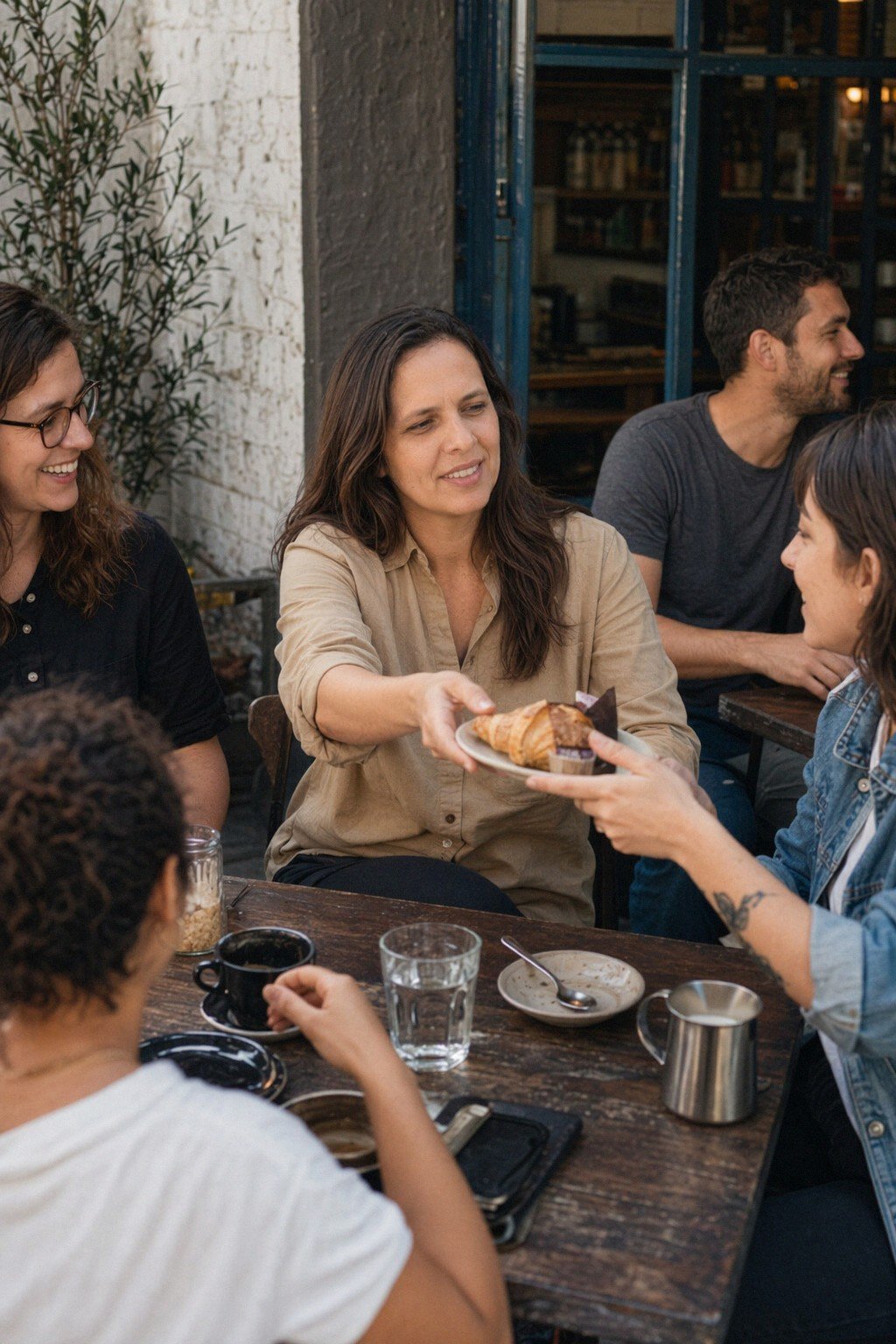
Most advice written for women's dating photos is really advice about looking hot. Get the perfect angle, find your best light, wear the dress. It is not wrong, exactly. It is just aimed at the wrong target. More attention is easy to get. Better attention, from people you would actually want to meet, is the harder and more useful goal, and it comes from a different kind of photo.
The profiles that work are not the most polished. They are the most legible. In two seconds, a good lineup answers three questions: what do you look like on a normal day, what is your life actually like, and what would it feel like to spend an evening with you. Photos that answer those questions clearly beat photos that just look good.
Lead with a real face, not your best angle
Your first photo is the whole game. It is the one that decides whether someone stops or keeps scrolling, and it should be the single clearest, warmest photo of your face you have.
Clear means well-lit, in focus, and unobstructed: no sunglasses, no hat pulled low, no dramatic shadow across half your face. Warm means a genuine expression. A real smile, even a small one, reads as approachable. A perfect, chin-down, lips-parted model pose reads as a wall. People are not swiping on your bone structure. They are deciding whether you look like someone who would be easy to talk to.
The test for a lead photo is simple: if a friend saw it, would they say "that's so you"? If the honest answer is "that's you on an unusually staged day," it is the wrong photo to lead with.
Show your life, not just your face
After the face shot, the job changes. The rest of the lineup is there to make you a person instead of a headshot. Each photo should do a different job:
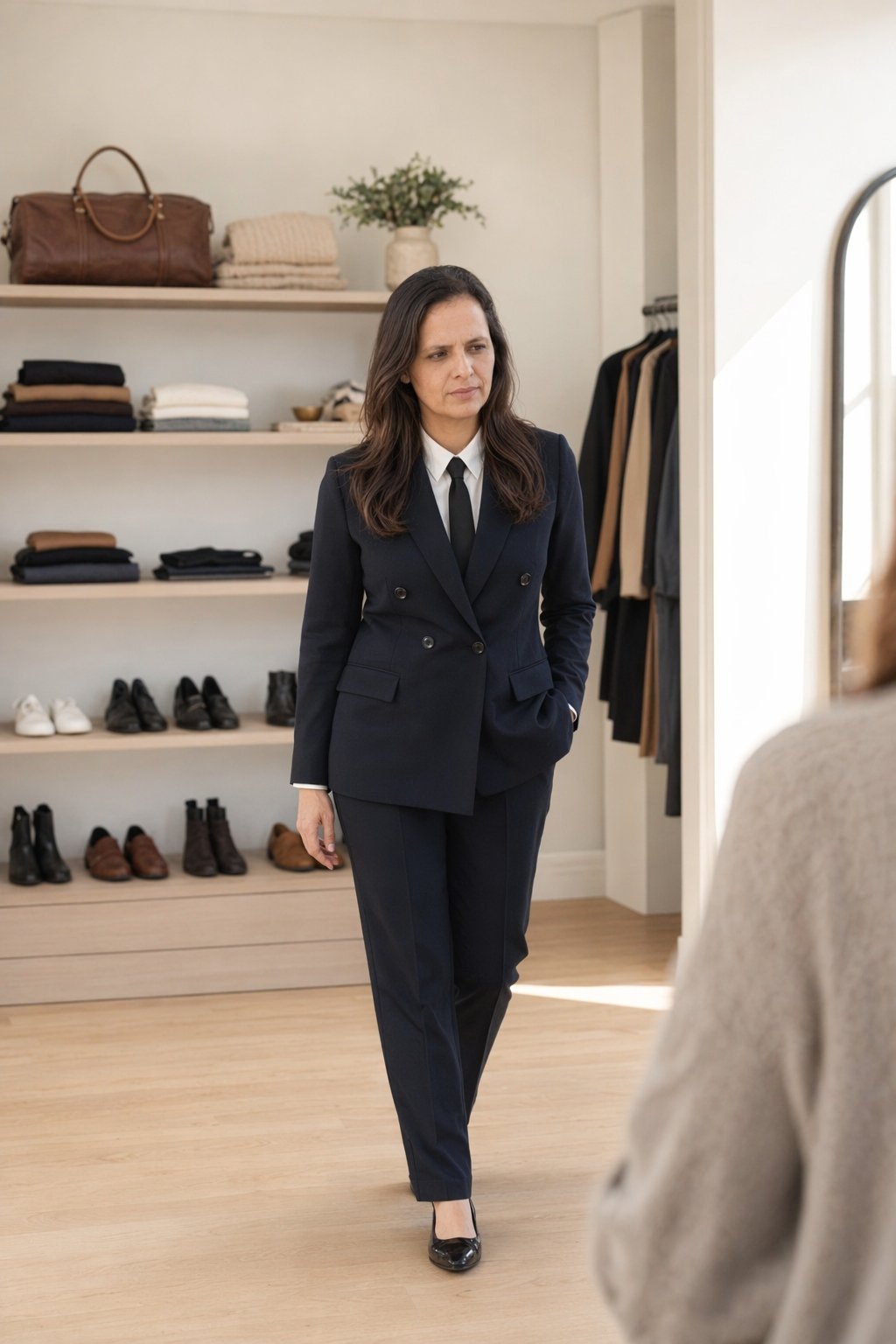
- A full-length photo. People notice when it is missing and quietly assume you are hiding something. You are not. A natural, full-body shot in an outfit you actually wear removes the question.
- One or two "life" photos. You doing a thing you genuinely do: hiking, cooking, at a gallery, traveling, with a dog. These are the photos that give someone an easy, specific opening line. "Where was that hike?" is a message. A generic hot photo gets a generic "hey." For ideas, try photo ideas by personality: every scene there can be made for a woman too.
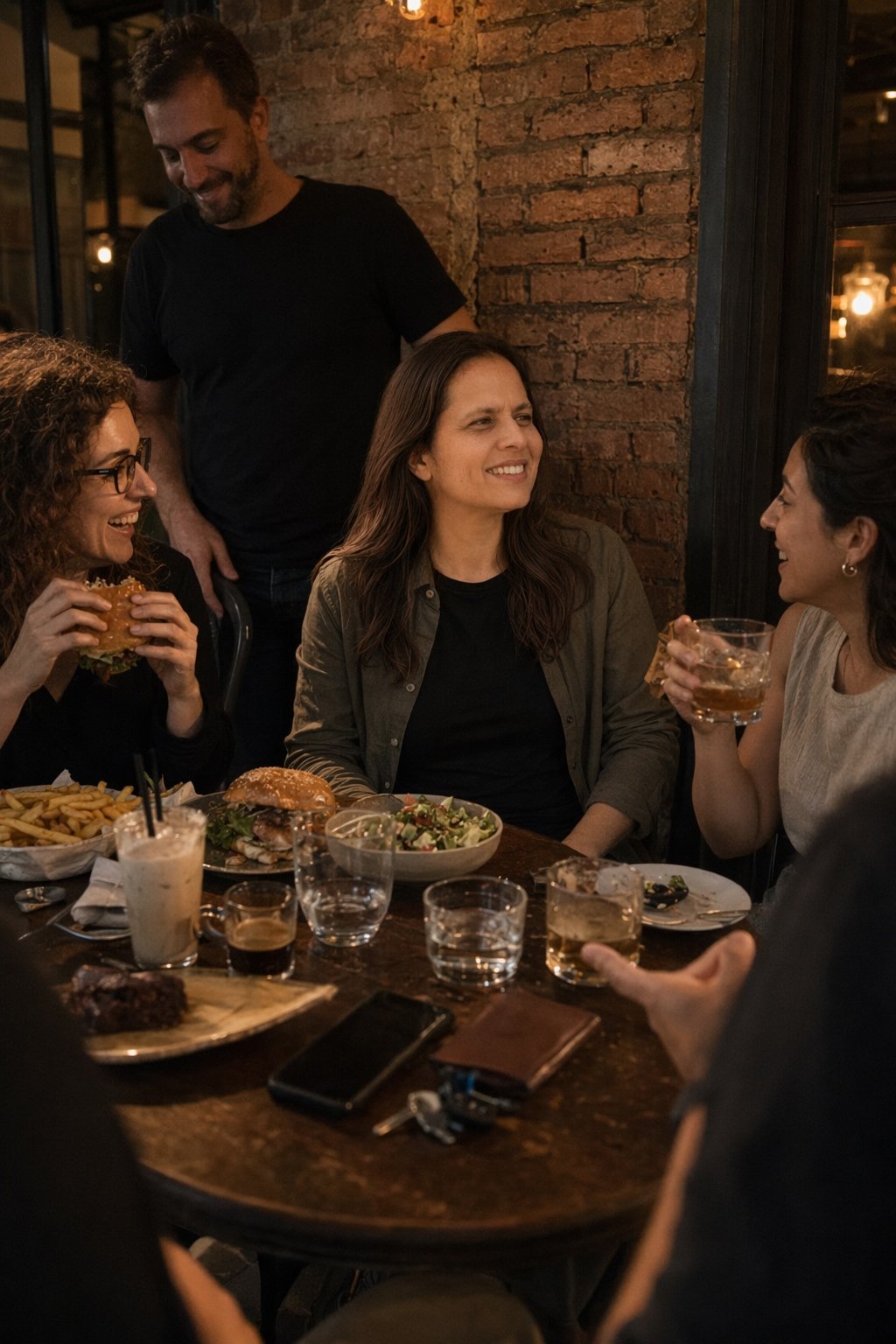
- A social photo. One, later in the lineup, that shows you have friends and a life. Not first, and not a crowd where you are impossible to find.
The pattern that works is variety with a through-line. Different settings, same recognizable you.

What quietly costs you matches
A few things drag down good profiles, and most of them are habits, not flaws:
- Heavy filters and face-smoothing. They lower trust and create a gap the real you has to apologize for later. The most attractive thing a photo can do is look real.
- Every photo at the same angle. The high, arm-extended, look-up angle in all six shots reads as "this is the only angle I trust." One is fine. Six is a tell.
- Sunglasses in most shots. Eyes build connection. Hiding them in every photo removes the main thing that makes a face feel warm.
- Photos from years ago. The date is the reveal, and a too-old photo turns the first meeting into a small disappointment. Recent and real beats flattering and stale.
The point is a real date, not a swipe
Every choice here points the same direction. A swipe is cheap and a good filtered photo can earn one. A second date is expensive, and it is built on the gap between the photo and the person being close to zero. When your photos look like the best real version of you, the people who match are matching with someone who actually shows up. That is the entire goal.
If you are missing pieces of the lineup, the full-length shot, a travel scene, an activity photo, you do not need to book a shoot to get them. Upload a few clear photos of yourself to a likeness-preserving tool like CMeIn and generate the shots you are missing. It produces candid, realistic photos that look like you across different settings, so you can fill the gaps and lead with the real thing.
It helps to know what is actually being read on the other side: what men notice in profile photos. The underlying idea is social composition, and you can arrange a set of shots with the free collage maker.