Coffee, a Walk, or Dinner? The Case for the Restaurant First Date
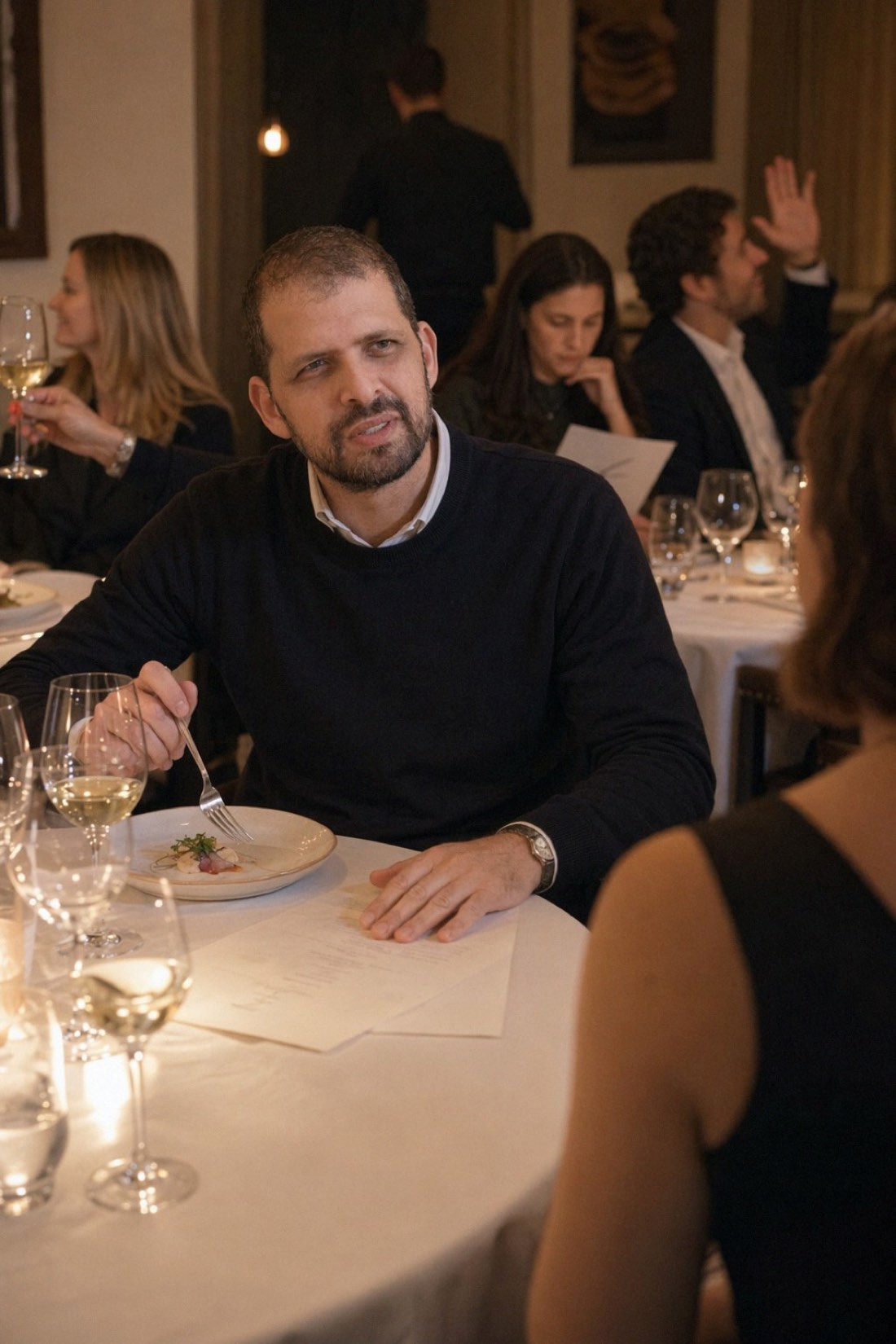
Somewhere along the way, the first date shrank. It became a fifteen-minute latte, a lap around the park, an ice cream cone on a bench, formats designed to be escapable, refundable, and over before anyone has said anything real. The reasoning is understandable. But something got lost, and it is worth saying out loud:
Coffee is an audition. Dinner is a date.
Some of the best first dates of my life happened at a restaurant table, and none of them would have worked as a walk with a paper cup. So this is the case for booking the table, spending the money, and treating date one like it matters, plus the honest part about when coffee is exactly the right call.
Why everyone defaults to the small formats
Fair is fair: the coffee date exists for good reasons. It is cheap, so nobody resents a dud. It is short, so a bad match costs twenty minutes. It is public and easy to leave, which for women meeting strangers off an app is not a preference, it is a safety protocol, and it deserves respect, not negotiation.
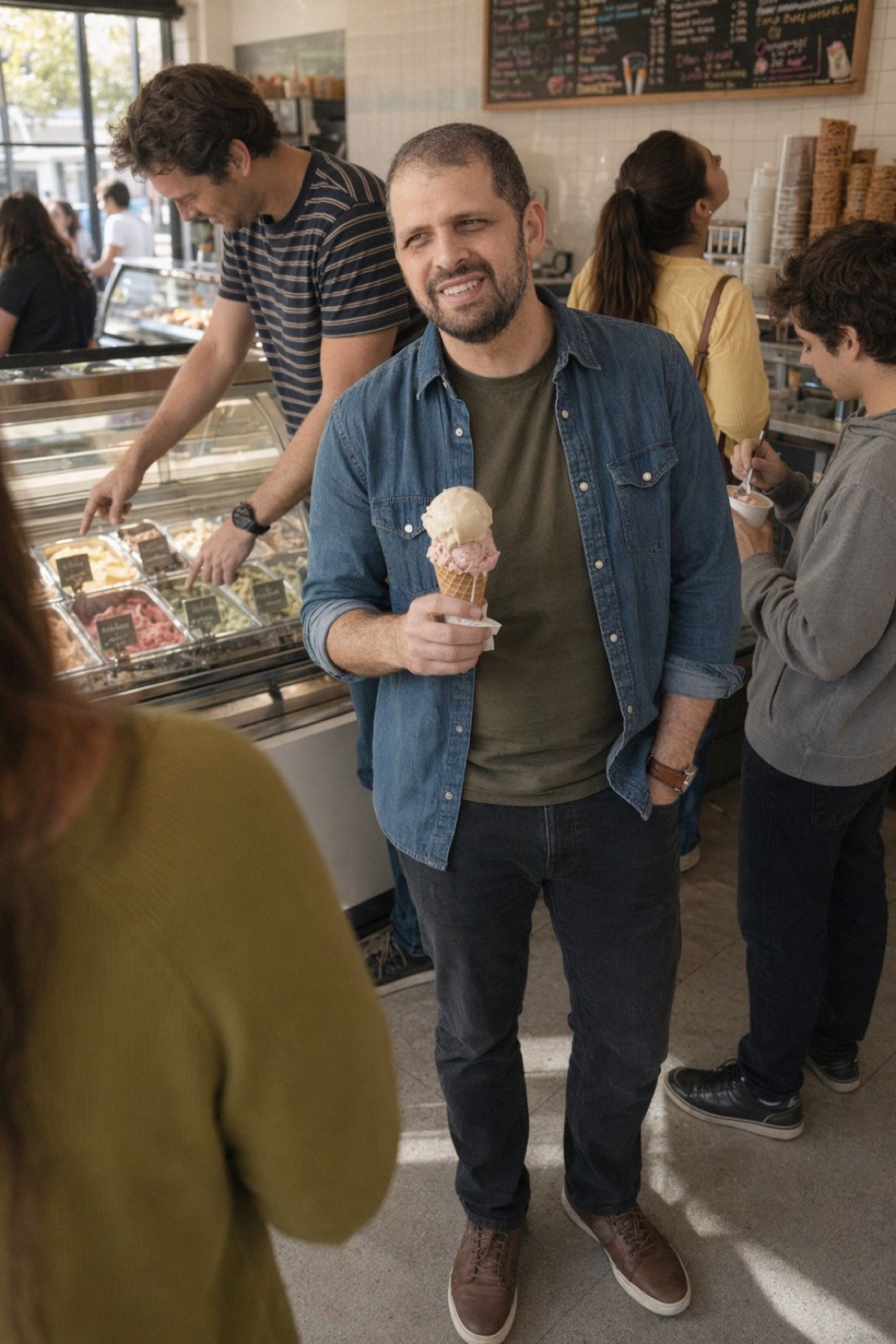
So no, the argument is not "never coffee." The argument is: those formats are screening tools, and too many people never graduate past screening. They run five auditions a month, feel nothing at any of them, and conclude the apps are dead, when the actual problem is that nobody can feel much of anything in fifteen upright minutes with a melting cone.
What the table gives you that the walk cannot
Time with a spine. A dinner is two hours, seated, facing each other, phones down by social contract. No natural exit at minute twelve, and that is the point: conversations need a second act to get anywhere, and second acts only happen when nobody is holding a finished cup as an excuse.
A shared project. Ordering is a tiny collaboration: what looks good, which starter do we share, are we the kind of people who get dessert (yes). You learn how someone decides, shares, reacts to a wrong dish, treats a waiter. A walk produces commentary; a table produces evidence.
A statement of intent. Booking a table says: I read your profile, I liked our conversation, I am not slotting you between errands. That signal alone separates you from every man who suggested "grabbing a quick coffee sometime maybe."
A memory. Nobody tells the story of a great paper cup. The dates people remember, the ones that become "our place" later, happen where there is light, food, and time. You are not just running a compatibility check; you are auditioning to be a good story.
"But what if there is no chemistry?"
Here is the part most people get backwards. Chemistry is not discovered at the date; it is built before it, in the conversation. The jokes that landed, the thread that kept going, the six messages that earned the number, that is the chemistry test, and it is already done by the time you are choosing venues.
So the real rule: if the conversation was good enough to earn a dinner, book the dinner. If you are genuinely unsure two hours would hold, that is not a venue problem, that is a conversation problem, and that has its own fix. Do not solve weak texting with a shorter date; solve the texting.
The money part, honestly
Yes, a restaurant first date costs real money, and a certain school of dating advice treats that as a reason to hedge: keep it cheap until she proves worth the investment. I think that logic poisons the evening before it starts. You are not buying her interest; you are paying for a setting you enjoy: good food, good light, a real conversation, and I would rather have one evening like that than five auditions with someone half-checked-out over a latte.
Do not fear losing some bucks. The worst case at a restaurant is a pleasant meal with a person you will not see again, which still beats the best case of most coffee dates. And when the check comes: you invited, you pay. Take it warmly, no ceremony, no speech. If she offers to split, decline with a smile, "I asked you out, this one is on me," and change the subject. Offering is her graciousness; paying is yours. The check moment is a character reveal; make yours generous and boring.
When she says "let's do coffee first"
Respect it, immediately and cheerfully. As covered above, a short public first meeting is often a safety step, and a man who pushes against a safety step has already failed the real test. Take the coffee, and treat it as the screening round it is: forty-five good minutes, full attention, no phone on the table.
Then, if it clicks, upgrade on the spot: "Next time I am taking you to dinner, there is a place I have been wanting to show you." Now the coffee did its job, she got her safety check, and you got what you wanted anyway: a real date, with a table, already on the calendar.
Running the table well
The restaurant date rewards ten minutes of preparation:
- Pick a place you know. Mid-range, good acoustics, a menu with options for any diet (you have read the field guide). Familiar ground makes you relaxed, and relaxed is the whole trick.
- Book, and arrive first. Walking into a reserved table beats hovering at a host stand, every time.
- Order like a person, not a performance. Confident, curious, no wine monologue. Suggest sharing something; sharing is the fastest route from interview to date.
- Dress one notch above the room, you know the rules.
- Phone in the pocket. The table's whole advantage is attention; do not leak it.
And the part that happens before any of it
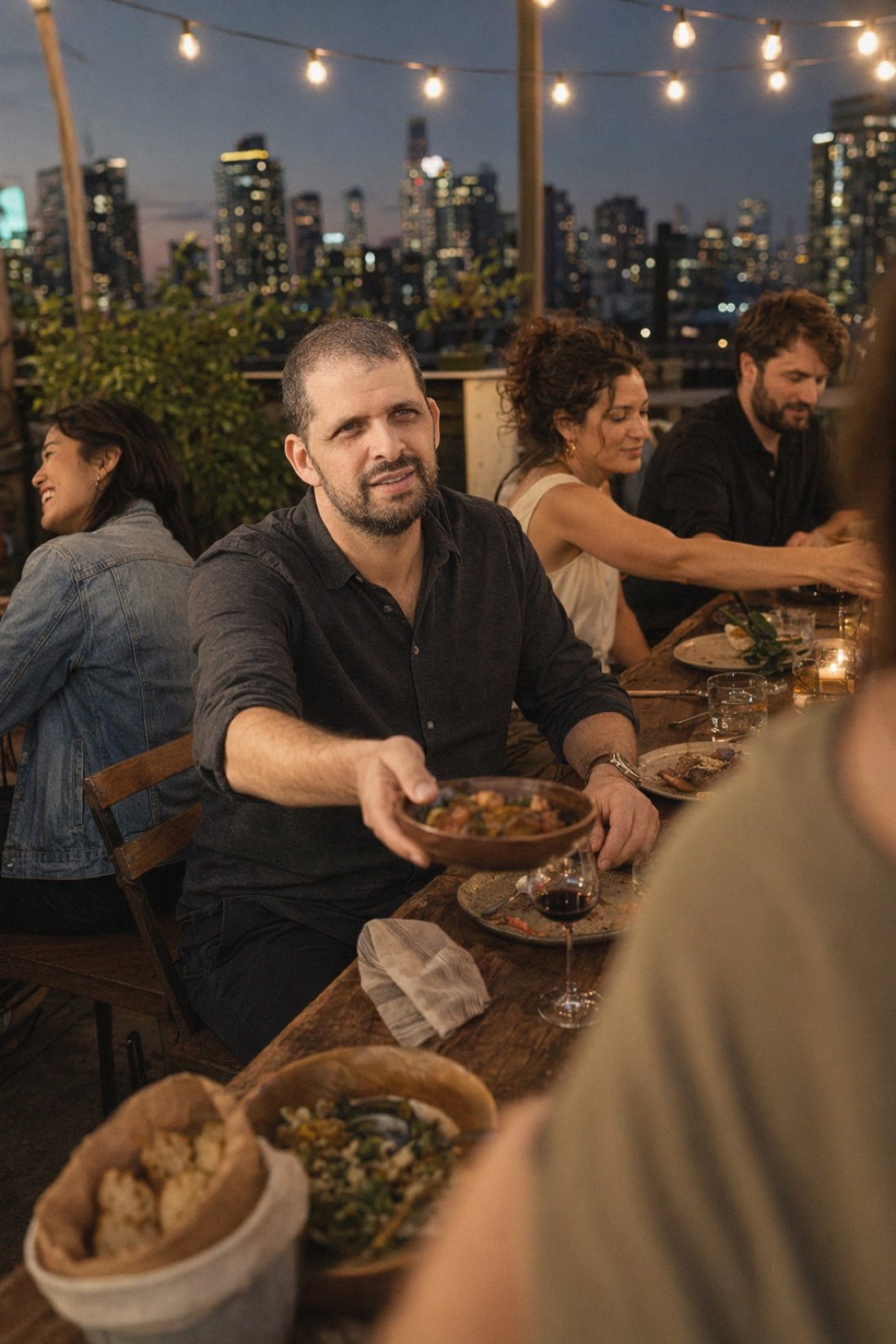
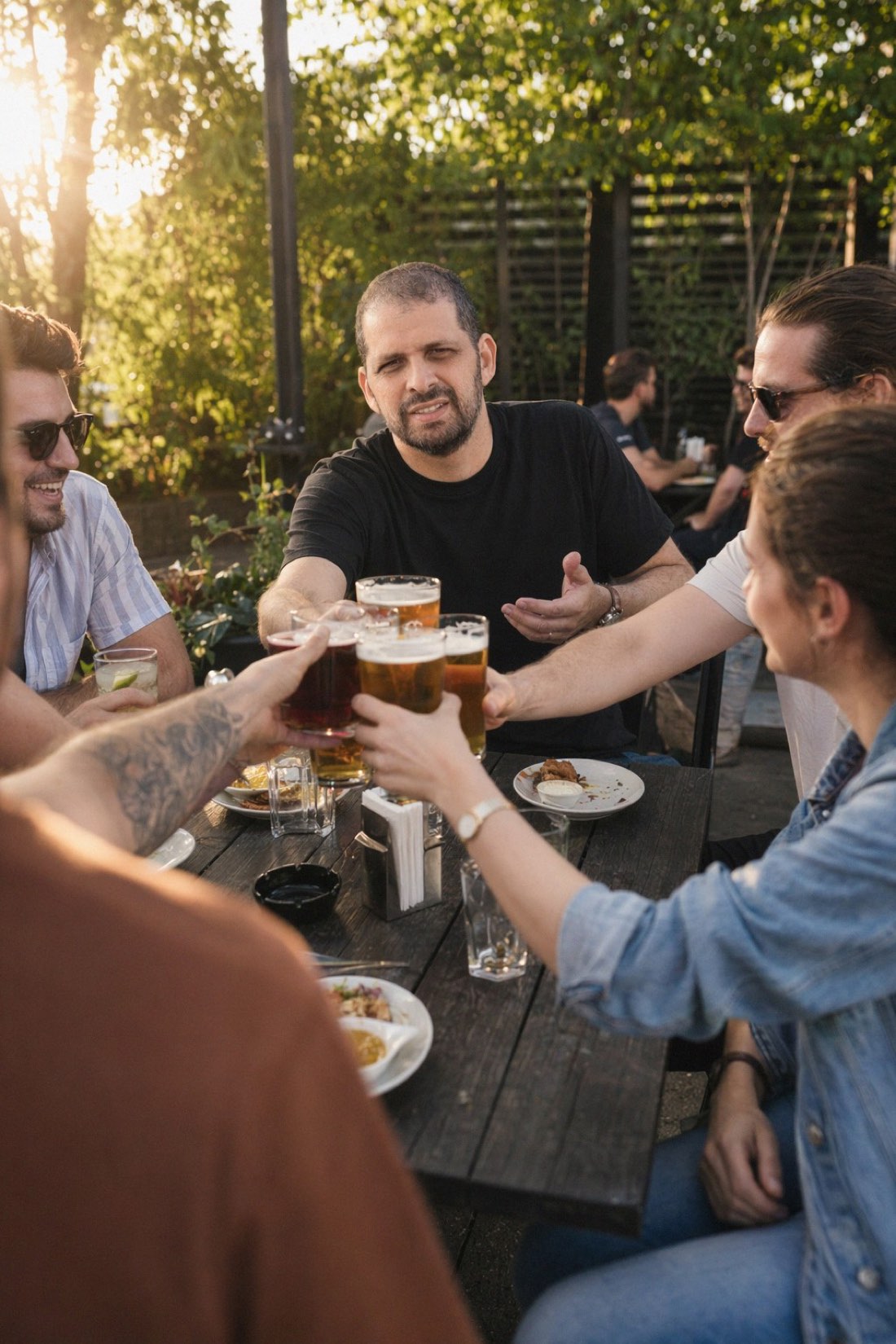
None of this matters until someone says yes to the table, and the yes is decided mostly by your profile. A profile that shows a man who actually has evenings, the rooftop dinner, the toast at golden hour, the table with friends, makes "dinner Thursday?" feel like an invitation into a real life rather than a gamble on a stranger. That is what CMeIn builds: upload a few photos of yourself and get realistic photos of you in those scenes, looking like you on a good evening, the kind of photos that make dinner an easy yes.
Book the table. Enjoy the meal. Worst case, you had a good dinner. Best case, it becomes your place.
Related reading: How to Get Her Number on a Dating App, How to Dress for a Date, How to Keep a Conversation Going.