Is It Ethical to Use AI Dating Photos? An Honest Line
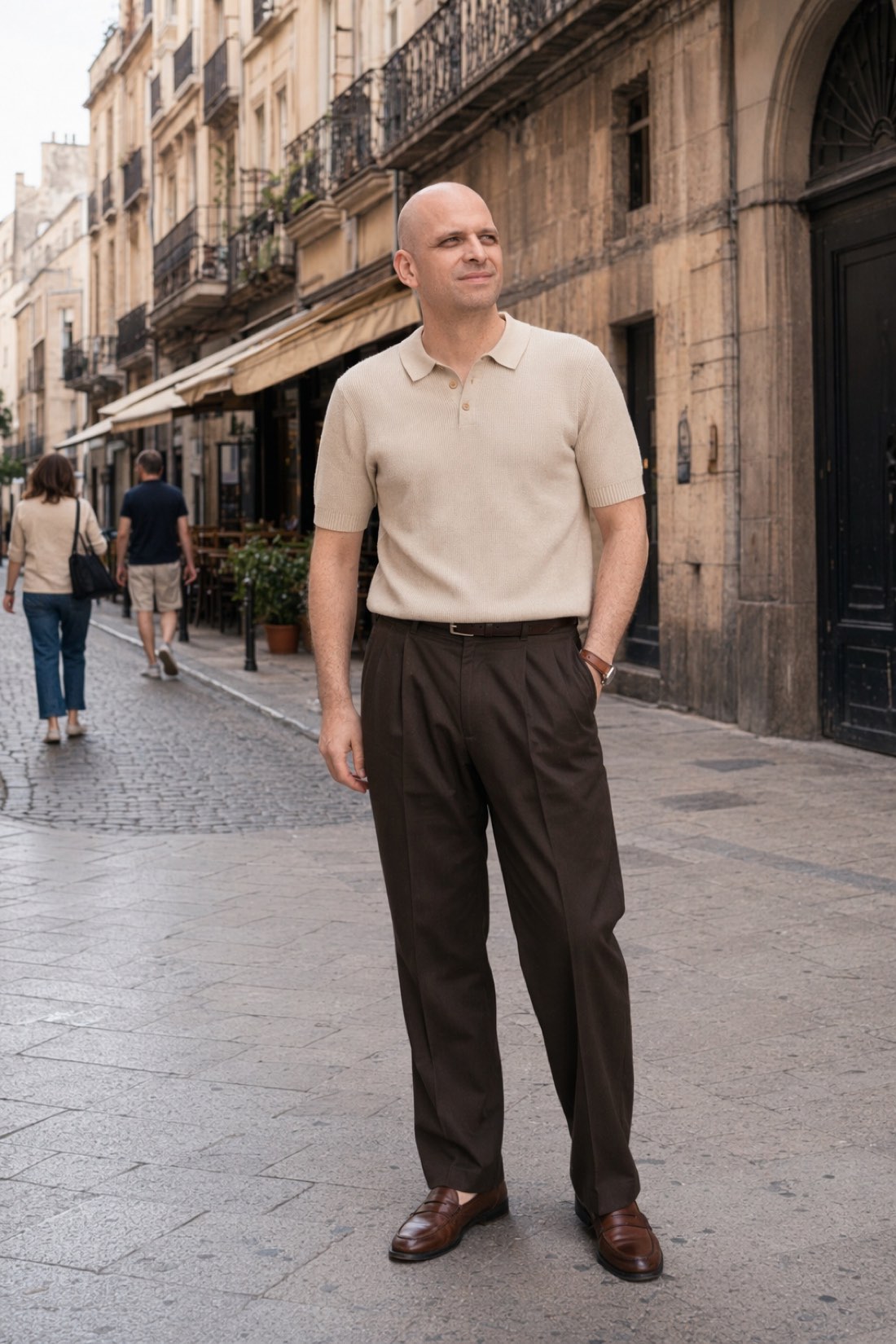
This is a fair question to sit with, and it deserves a straight answer rather than a defensive one, even from a company that makes these tools. The honest version is this: AI dating photos are not inherently ethical or unethical. The tool is neutral. What matters is whether the photo tells the truth about you, and that is a line you can see clearly once you stop arguing about technology and start thinking about honesty.
The real question is representation
Strip away the word "AI" and the ethics of a dating photo have always come down to one thing: does this photo create an accurate impression of the person behind the profile.
A photo is honest when your date would recognize you at a glance and feel no jolt of "wait, is that them" when you walk in. A photo is dishonest when it creates a gap, when the person who shows up is meaningfully different from the person in the pictures. That standard is old. It applied to airbrushing, to flattering angles, to ten-year-old photos, long before anyone generated an image.
AI does not change the standard. It just gives you a new way to land on either side of it.
The honest side and the dishonest side
Picture the same tool used two ways.
Used one way, it takes your real face, your real build, your current age, and places you in better light and a setting you would actually be in. The result is a true impression of you on a good day. A date recognizes you instantly. This is ethically identical to hiring a photographer, because that is exactly what a photographer does: capture the best real version of you. Nobody thinks a professional headshot is a lie.
Used the other way, it slims your body, sharpens your jaw, erases fifteen years, and hands your match an impression of a person who does not exist. That is deception, and it would be deception if a very aggressive human editor had done it by hand. The problem was never AI. It was the lie.
Why "real photo" is not the same as "honest photo"
Here is the part that surprises people. A camera photo can be less honest than an AI one. An unedited but three-year-old photo, or a heavily filtered selfie, misrepresents how you look right now. The person who meets you feels the same gap they would from a fake photo. Meanwhile a current, realistic AI photo that keeps your true face can be a more accurate representation of you today.
So "it came out of a camera" is not a moral trump card, and "AI made it" is not a moral failure. Both can be honest. Both can lie. The camera does not settle the ethics. The gap does.
How to stay on the honest side
The ethical rule is refreshingly simple, and it is the same as the practical one:
- Keep your real face, proportions, and current age. Represent the you that will show up.
- Choose realistic over idealized. Better light and variety, not a different person.
- Apply the recognition test. If a date would know you instantly and feel no gap, the photo is honest.
Meet that test and there is nothing to defend. Your photos are true, they are just your best true self, presented well. That is what likeness-preserving tools are built for. CMeIn is designed to keep your real face and produce realistic, candid photos of you, which is the honest side of the line, and the only side worth being on if you actually want the date to go well.