Are AI Dating Photos Catfishing? Here's the Test That Settles It
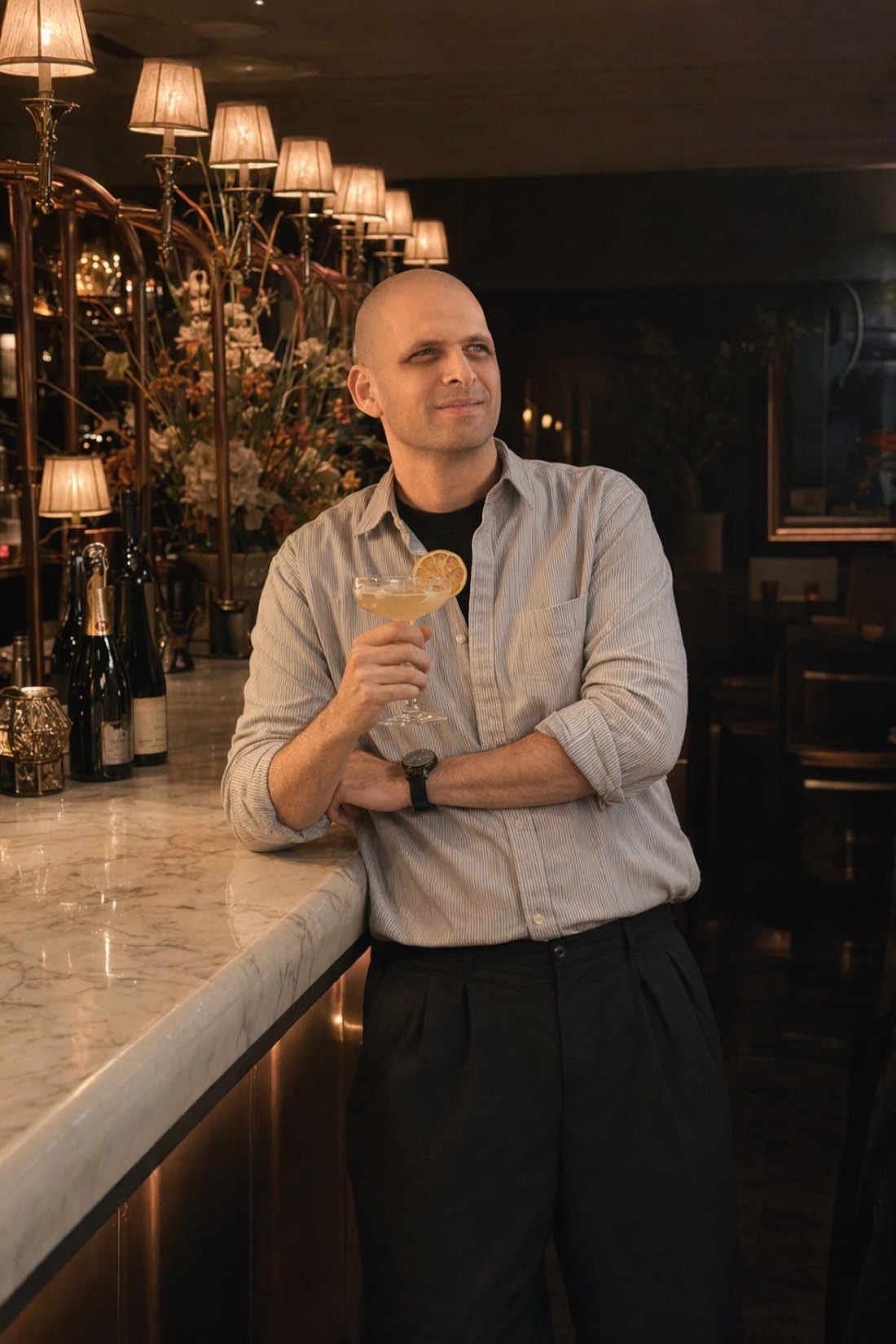
Post anything about AI dating photos and the comment arrives within the hour, reliable as gravity: "So... catfishing with extra steps?"
It is a fair challenge, and it deserves a straight answer instead of a dodge. So here is the straight answer: it depends entirely on what the photos change, and there is a one-question test that settles every case. Let's run it.
What catfishing actually means
The word has a definition, and it is worth being precise: catfishing is when the person who shows up is not the person from the photos. Someone else's face. A body from a different decade. An age from a different passport. The victim's complaint is always the same sentence: "I met a stranger."
Notice what the definition is about: the gap between the picture and the doorstep. It says nothing about how the picture was produced, whether by an iPhone, a professional photographer, or a model trained on your face. Production method was never the crime. The stranger at the table is.
The test: who shows up?
Which gives you the only test that matters, for any photo of any origin:
Would she recognize you instantly, and without a flicker of disappointment?
If your AI photos carry your real face, your real build, your real proportions, the man who walks in is the man from the pictures. Same jaw, same shoulders, same smile she already studied. The scenery behind him was rendered; the him was not. She meets the same guy from the photos, and "I met the same guy" has never been anyone's definition of deception.
Now run the same test on things nobody calls catfishing: the beauty filter that quietly shaves eight years, the angle engineered to hide forty pounds, the photo from 2019. Every one of them produces a doorstep gap, a real one, and polite society waves them through while pointing at the technology instead. The test does not care about the tool. It cares about the gap.
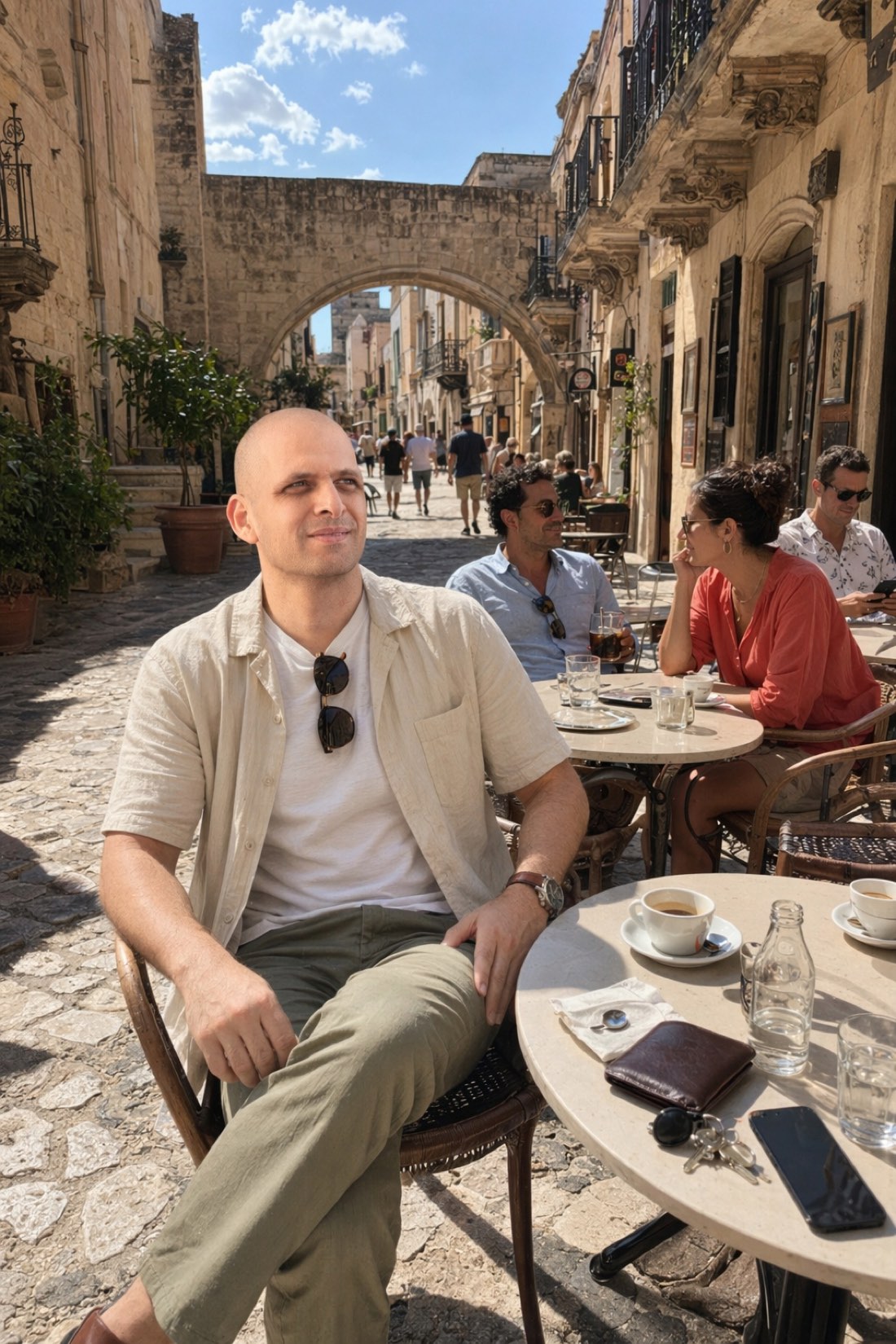
The presentation ladder
Here is the ladder every dating profile already climbs, rung by accepted rung: you got a haircut before the photo. You wore your best shirt. You waited for golden hour. Your friend took forty shots and you posted two. Maybe you paid a photographer who knows the flattering side of a jawline.
Every rung is presentation: the real you, shown well. Nobody on earth calls any of it lying. AI photos, used honestly, are one more rung on the same ladder, the photographer you never had, following you to the beach, the trail, the night out that nobody documented because everyone was busy living it. If rung nine is honest, rung ten is too, as long as the face and body stay yours.
What WOULD be lying, and we'll say it plainly
An honest article names the dishonest version, so: yes, AI can absolutely catfish. If the output makes you younger, leaner, more chiseled, more symmetrical than the mirror, that is a doorstep gap under construction, and the date will end the way all such dates end: with her doing subtraction across the table.
This is exactly why CMeIn is built the way it is, and it is a deliberate, sometimes commercially inconvenient choice: the real, ordinary you, preserved. Not younger. Not slimmer. Not a jaw upgrade. Your actual face and figure, in scenes worth looking at. And one matching rule on your side: keep the scenes true to your life. If you have never touched a surfboard, the surf photo is writing a check your Tuesday cannot cash, the same honesty that runs everything else that works in dating.

Why the accusation stings, and why it shouldn't
One more layer, because it is the real one: the "catfishing" jab lands because it pokes at a private shame, real men shouldn't need help looking good. Nobody runs that logic anywhere else. The executive with the retouched LinkedIn headshot is not a fraud; the actor with a portfolio is not a con. Only in dating are men expected to compete in the most photo-driven market of their lives armed with a gym selfie and an apology.
Getting the presentation layer handled is not deception. It is the entry fee of the new rules, and the men who pay it with honest photos, real face, real build, better scenes, are not tricking anyone. They are simply showing up to the swipe the way they would show up to the date: dressed for the occasion.
So: same face, same body, same guy at the door. That is the whole ethics of it, and the whole product. The rest is scenery.
Related reading: AI Photos That Look Authentic, Dating Apps Don't Work for Me, The 5 Photos Every Dating Profile Needs.