Should You Tell Your Partner Everything About Your Past?
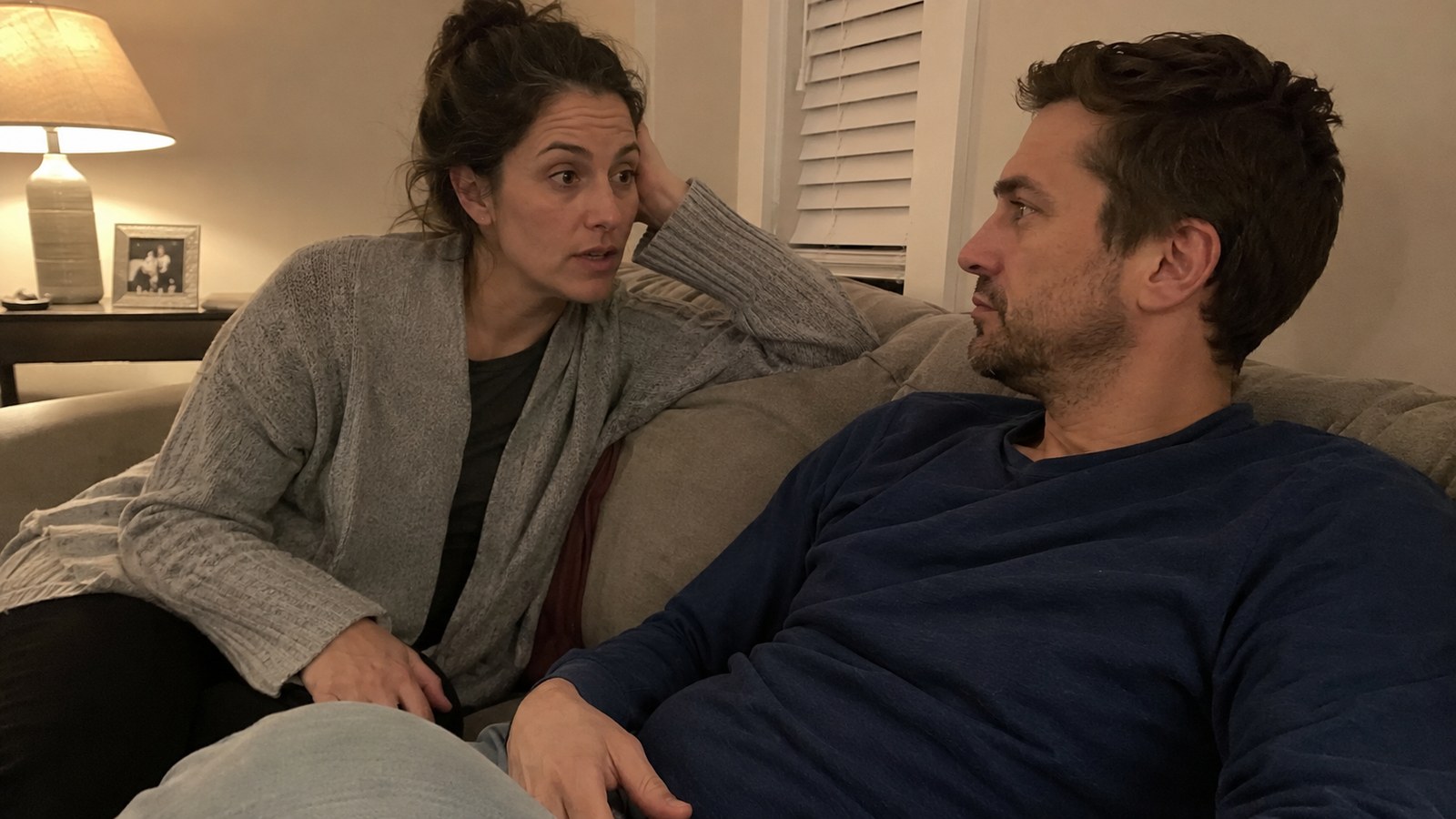
One camp says love means glass pockets: everything visible, nothing withheld. The other camp says some doors stay closed: what happened before them isn't about them. Both camps are sure. Both are half right.
The case for telling everything
Secrets are load-bearing lies. You don't just hide the fact — you hide it every day, in every conversation it brushes against, and intimacy dies quietly of the effort. Worse: hidden things get found, and a truth discovered is always uglier than a truth told. The partner who says "I can handle anything except finding out later" is describing how trust actually works.
The case for "not everything"
Radical honesty has a shadow: the confession that helps no one. Telling her about every woman before her, in detail, doesn't build intimacy — it hands her material for a jealousy her mind will renovate forever. The past self who did those things isn't the person sitting next to her — in this case, isn't you. Total transparency about a dead past can be a kind of laziness: making her process what you should have processed yourself.
The test that settles it
Before sharing anything heavy, ask one question: "Does this serve the relationship — or does it serve my guilt?"
Always share (it's theirs, not just yours):
- Anything that touches their health, money, or safety
- Kids, legal realities, obligations that shape your shared future
- Ongoing contact with people from your past
- Anything they could learn from someone else's mouth
Share the summary, keep the archaeology:
- Old relationships: the lessons, not the inventory
- Old mistakes you've genuinely outgrown: the shape, not the slideshow
- Numbers, rankings, comparisons: never served anyone, ever
And one asymmetry worth naming: give your partner the same grace. You're entitled to who they are now, to anything that affects your shared life, and to honesty about both. You're not entitled to a documentary of who they were before you existed to them.
Honesty is a direction, not a data dump
The goal was never "everything." The goal is that nothing you're hiding is quietly running the relationship. Tell what protects them, own what shaped you, and let the rest be what it is — the road that got you to their door.