Would You Date Someone Who Cheated in the Past?
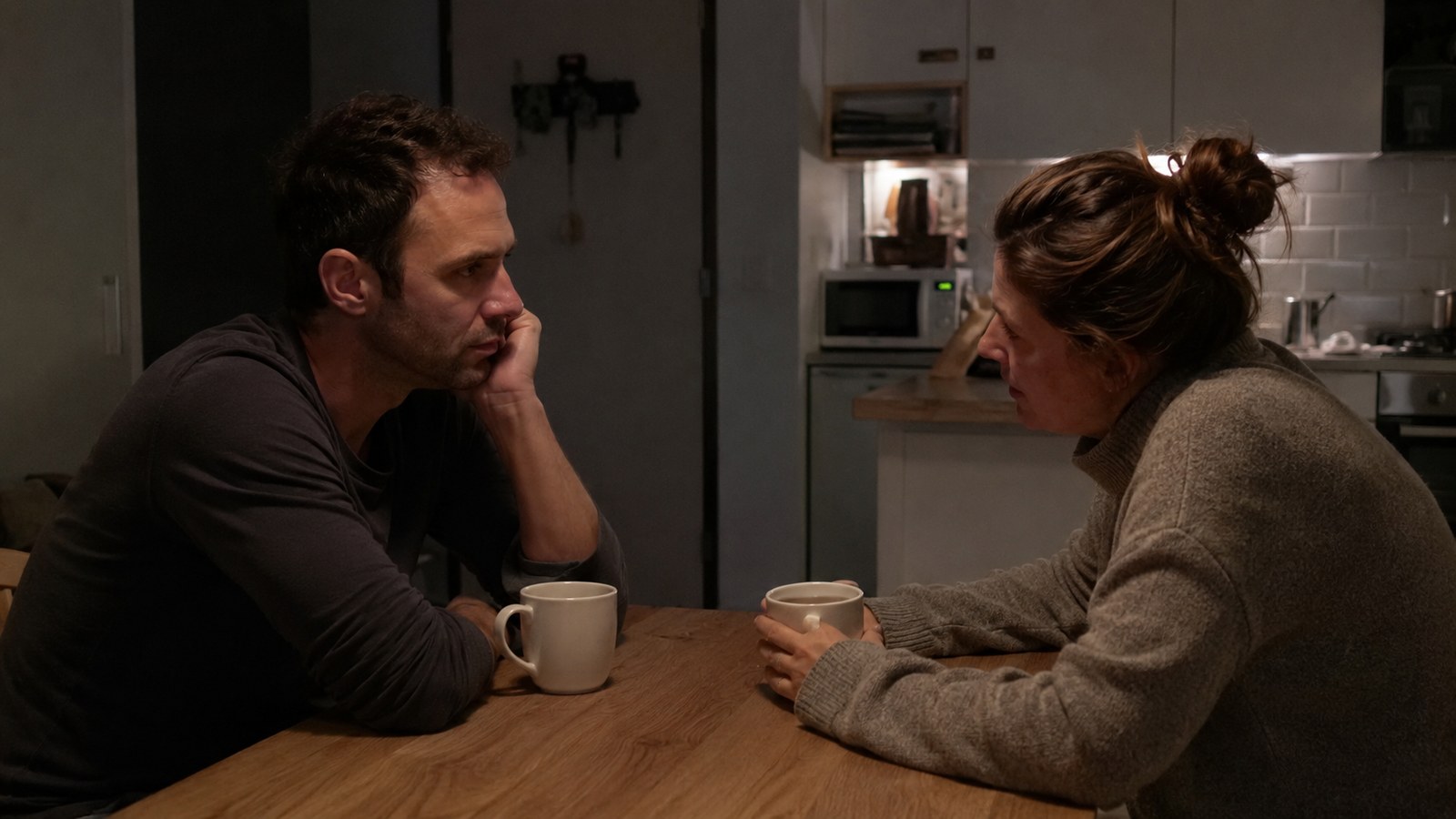
Third date. It's going well — well enough that honesty shows up: "I want you to know something. In my last relationship, I cheated."
Half your friends say run. The other half say people change. Both camps are loud, and neither is standing in your shoes. So let's take both seriously.
The case for "run"
Cheating isn't a mood — it's a sequence of choices: the flirtation allowed, the line crossed, the cover story maintained. Someone capable of running that operation once has proven the machinery exists. The statistics agree that past infidelity raises future risk, and the people burned by "but they promised they changed" fill support groups. Character shows up under pressure, says this camp, and you've seen the footage.
The case for "people change"
You are not the worst thing you did at 23 — and neither are they. Context is real: age, a relationship that was already collapsing, a person who didn't yet know how to leave rooms they'd outgrown. People genuinely rebuild themselves — the woman who tells you about her past isn't the girl who lived it — and someone who did the work often understands loyalty more deeply than someone never tested. Writing off every changed person is how you miss good partners while feeling righteous about it.
The better question: did this person do the work?
"Do cheaters change?" is unanswerable. "Did this one?" usually isn't. Five signs, visible to anyone who looks:
- Full ownership, no courtroom. "I did it, it was wrong" — not "she was cold," not "it just happened." The word but is doing all the work in a fake apology.
- They told you unprompted. You're hearing it from them, early, at cost to themselves — not discovering it. Volunteering the truth is the changed behavior, live.
- They can explain the why. Not the excuse — the mechanism: what was broken in them, what they did about it. "I don't know, I was stupid" means the machinery is still uninspected.
- Time and track record. Years and honest relationships since — history is evidence, in both directions.
- The lesson shows up in behavior. Transparency that costs nothing to give: the phone isn't a vault, plans aren't vague, honesty is a habit, not a performance.
Score all five — proceed with open eyes. Score one or two — believe the pattern, not the potential.
And one rule for you
Whatever you decide, decide once. Staying while running a permanent parole board — checking, testing, resenting — isn't caution; it's a slower way to lose. Either their past is a chapter you accept, or it's a book you close. Both are legitimate. The middle is where couples go to rot.