The Slider That Does Nothing: AI Photo Controls That Aren't Connected
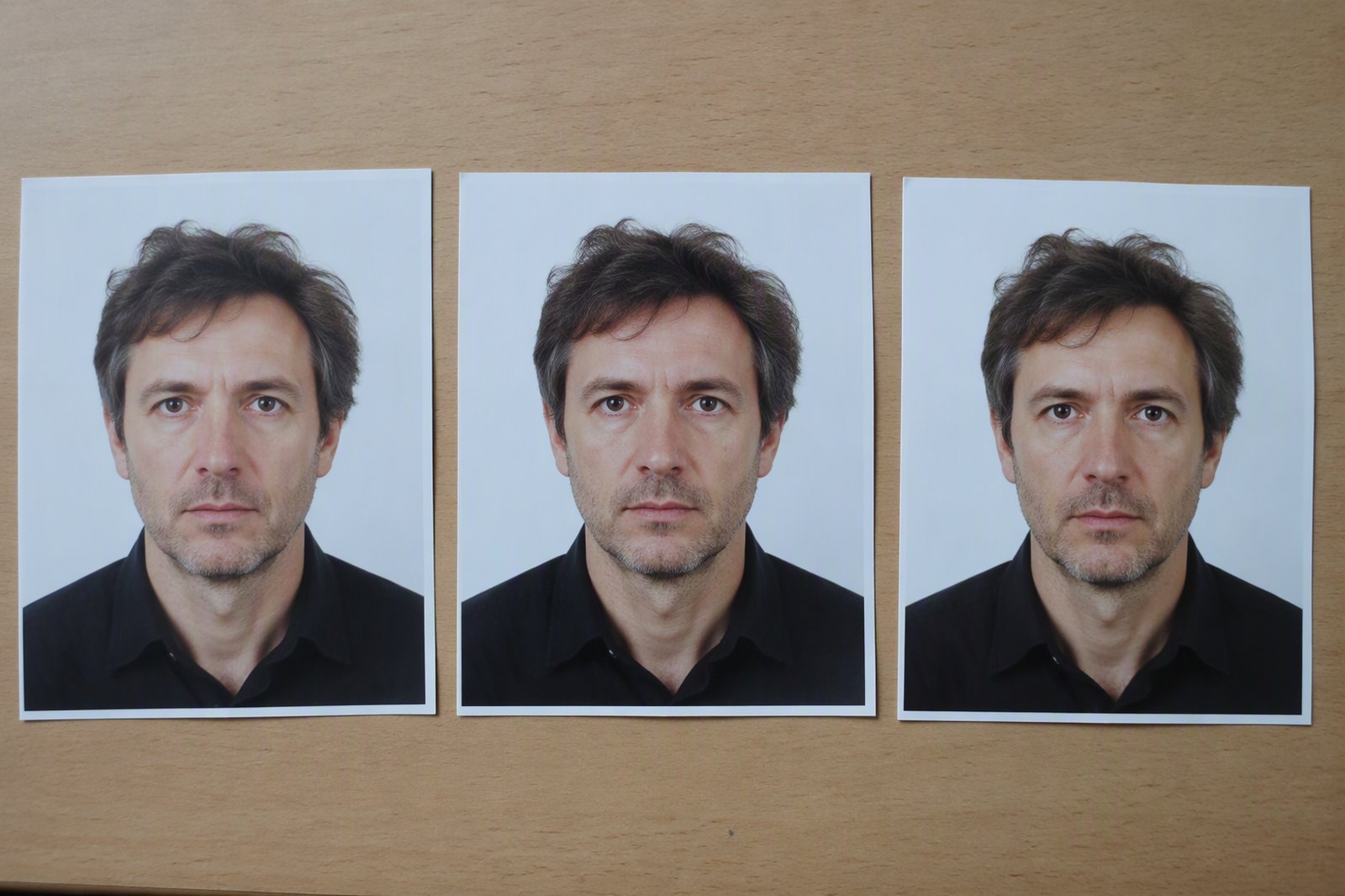
One of the more precise complaints in this category, from a reviewer of a well-known AI headshot tool:
"The results were decent until I tried to edit them. I clicked change expression to confident. Change to smiling. Change to friendly. All the results were identical."
He was not complaining about quality. He was complaining that the product had controls that did not control anything — and that each attempt cost him.
Why adjacent words produce the same face
Start with the charitable explanation, because it is usually the true one.
An image model works from language, and language has resolution limits. Confident, friendly and approachable are three different English words describing almost the same human expression: a slight smile, relaxed eyes, head level. To a model, they land close enough together to be the same instruction.
Now add the second force. These systems are already pulling every face toward a pleasant, neutral, commercially acceptable default — that is what they learned from. So you are asking for a small nudge, in a direction the model was already heading, against a much stronger current.
The result is three identical photographs and a customer who thinks the button is broken. The button is fine. The distinction was never there.
When it genuinely is broken
Sometimes it is, and there is a way to tell.
Test the extremes, not the neighbours. Ask for laughing and then for serious. Ask for outdoors at night and then bright daylight. If the far ends of a control produce visibly different photographs, the control works and the middle of its range is simply too subtle to see. If the extremes are also identical, the setting is not reaching the model.
That test takes one pair of generations and tells you whether to trust anything else on the panel.
The reason this makes people so angry
It is not the identical photos. It is the arithmetic.
On a credit-based tool, every attempt costs. So a customer exploring a control they were invited to explore pays for each experiment — and if the control does nothing, they have paid three times for one photograph and have no way to know in advance that they would.
Compare it to a slider in ordinary photo software. You drag it, you see nothing, you shrug and move on. It cost you two seconds. Here it costs money, and the loss is only visible after you have spent it.
That is why "the controls don't work" and "they charge you for everything" keep appearing in the same review. They are the same complaint.
What to look for in a tool
Does it show you what a setting does before you spend? An example image per option is the difference between choosing and guessing.
Are the options far enough apart to be distinguishable? Twelve expression words are a worse product than three real ones. A long list looks generous and is usually a sign nobody tested whether the model can tell them apart.
What happens to your credits when a generation fails or returns nothing useful? The answer is rarely on the site, and it is worth finding in the reviews.
What we do
The scene is the control, and it is a real one. Rather than a panel of adjectives, you choose from scenes — and every scene carries a real example image, matched to your gender where we have one, so you see what it produces before you pick it. A choice you can see is a choice; a word you cannot preview is a guess.
That is also why we have not built a wall of subtle expression toggles. A control that cannot demonstrate its own effect should not be charging you to discover it.
And the honest limit: a credit is still spent on a generation you end up discarding. That is true here as it is everywhere in this category, and it is the reason we would rather you chose from something visible than paid to explore something abstract.
The short version
Adjacent words produce identical faces because the words are closer together than the model can resolve — the control usually works, the distinction does not exist.
Test the extremes before you trust the middle. And be suspicious of any tool offering a dozen subtle options it cannot show you, while charging you per attempt to find out.