Nobody Asked It To: When AI Photos Change Your Body
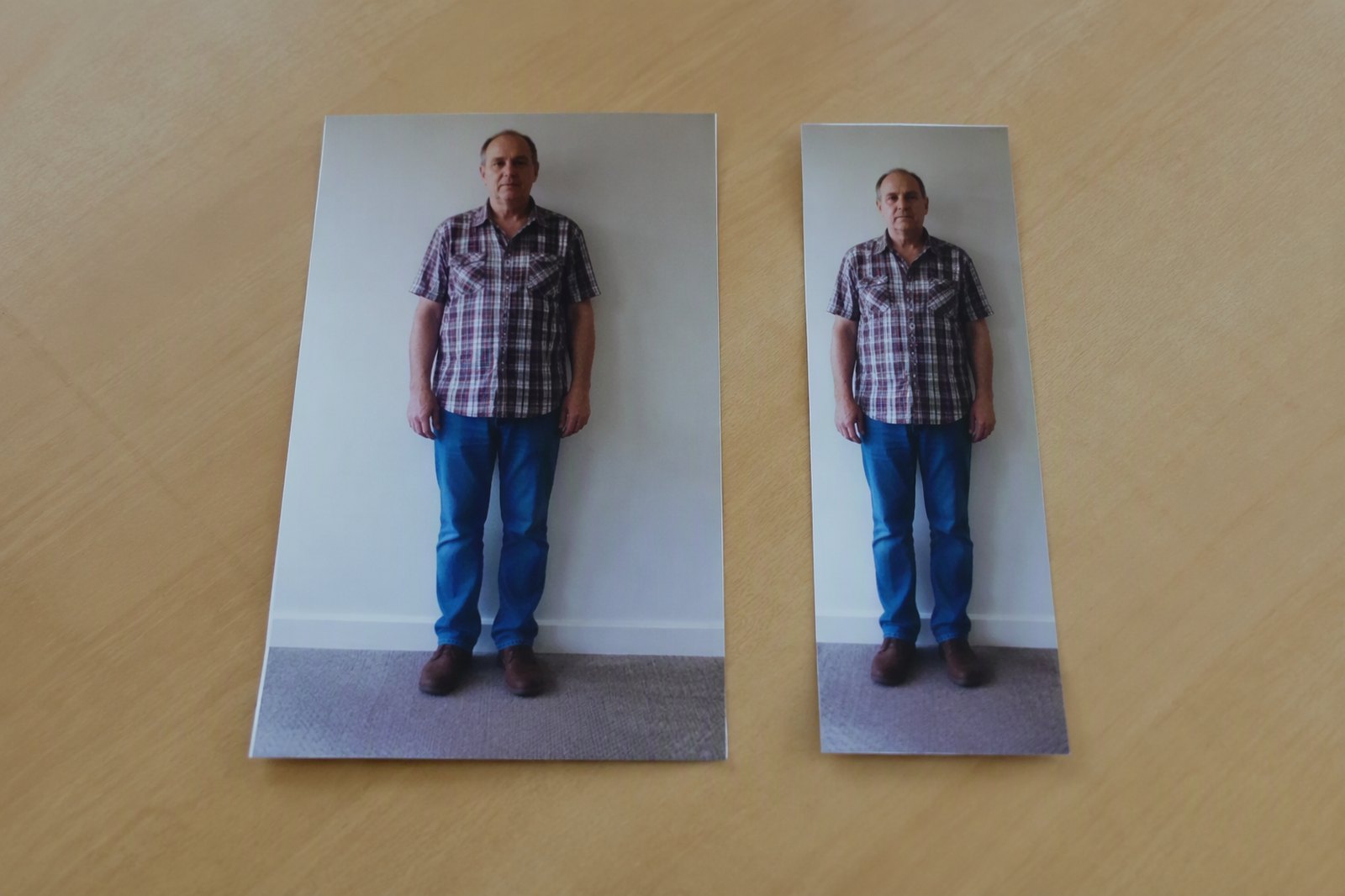
Four complaints, from reviews of three different AI photo tools:
"I did not want my weight, body type or outfit changed."
"It added someone else's body to multiple images when I had uploaded the headshots and poses that I wanted."
"My physique, which is very lean and athletic, would look worse in the pictures for some reason, which makes no sense."
"One made me into a gorgeous supermodel. And one gave me a round face, when mine is thin."
Nobody in that list asked to be improved. Two of them were made larger and two smaller, which is the detail worth holding on to: this is not flattery, it is drift.
Why it happens even though nobody chose it
The model has an average, and it falls back on it.
Everything these systems learned came from photographs, and photographs over-represent a particular kind of body — younger, slimmer, more symmetrical, professionally lit and frequently retouched. When the model is uncertain, that is where it goes.
And it is much more uncertain about your body than about your face. You uploaded eight pictures of your head. It has a great deal of evidence about your nose and almost none about your shoulders, your build, the way you actually stand. So the face stays close and the body gets invented, which is exactly the "someone else's body" the reviewer described.
The prompt words finish the job. Polished. Professional. Flawless. None of those are neutral, and all of them carry an implied physique.
It runs in both directions, which is how you know it is not a favour
It is tempting to file "the AI made me thinner" under harmless vanity. Two things make that wrong.
First, it goes the other way too. The reviewer with a lean athletic build got a worse one. The woman with a thin face got a round one. The model is not flattering anybody; it is regressing everybody toward the middle, and if you are already outside the middle in either direction you get pulled.
Second, and more practically: it breaks the photo. A profile picture is checked against you in person. The more a photo improves on your body, the worse it does the one job it has — and a discrepancy in build is noticed in the first three seconds of meeting, exactly like a discrepancy in age. You paid for a photograph that creates a small problem for its owner.
What a tool should refuse to change
This is the useful checklist, and most sites in this category say nothing about any of it.
Your proportions. Not "body positivity" as a marketing position — simply that your build is information the tool was given and has no business overwriting.
Your face shape. Round versus long versus oval. This is the one that most often changes silently, because it reads as "softer lighting" rather than as a different face.
Your age. Same mechanism, same result, covered in more depth in our article on AI photos ageing you.
Your skin tone. The same drift toward an average, and the most sensitive version of it — covered here.
If a tool's own materials do not mention preserving any of these, the default is in charge, and the default has opinions.
What you can do about it yourself
Upload photos that show more than your head. This is the single most effective thing, and almost nobody does it. If every reference is a tight selfie, the model has nothing real to work from below the neck and will invent. Include a few where you are standing, at a normal distance, in ordinary clothes.
Avoid heavily filtered or slimming-app photos. If your uploads already reshaped you once, the model treats the reshaped version as the truth and continues from there.
And choose wider scenes carefully. A full-body scene asks the model to render a great deal it does not know about you. If your reference set is head-and-shoulders only, close and medium scenes will hold your likeness better.
What we do
Body proportions are named in the instruction, alongside the face:
Stable traits to keep: same general face shape (long/oval vs round — match the reference, do not invent a rounder face); same hairline and hair length; same beard shape and length; same forehead, eye area, nose, mouth, chin, skin tone, age, and body proportions.
And the separate line that governs every generation is blunter still: do not beautify, redesign, age-shift, slim, widen, or change the face.
The word slim is in there because it had to be. Left alone, that is the direction the model goes.
The honest limit: an instruction is not a guarantee. It is a strong, explicit constraint sent with every request, and the underlying pull toward the average is real for us as it is for everyone. What we will not do is stay silent about it and let the default quietly do the work — which is what most of this category does, and why those four reviews exist.
The standard it all serves is the same one: whether somebody who knows you would recognise you walking into a coffee shop. A body you do not have fails that test as completely as a face you do not have.
The short version
AI tools reshape people who never asked, in both directions, because the model's fallback average is slimmer and rounder than real people and it knows far less about your body than your face.
Upload something below the neck, be wary of already-filtered photos, and check whether a tool says anything at all about preserving proportions. Silence means the default decided.