You Paid for 100 AI Photos. How Many Are Actually Usable?
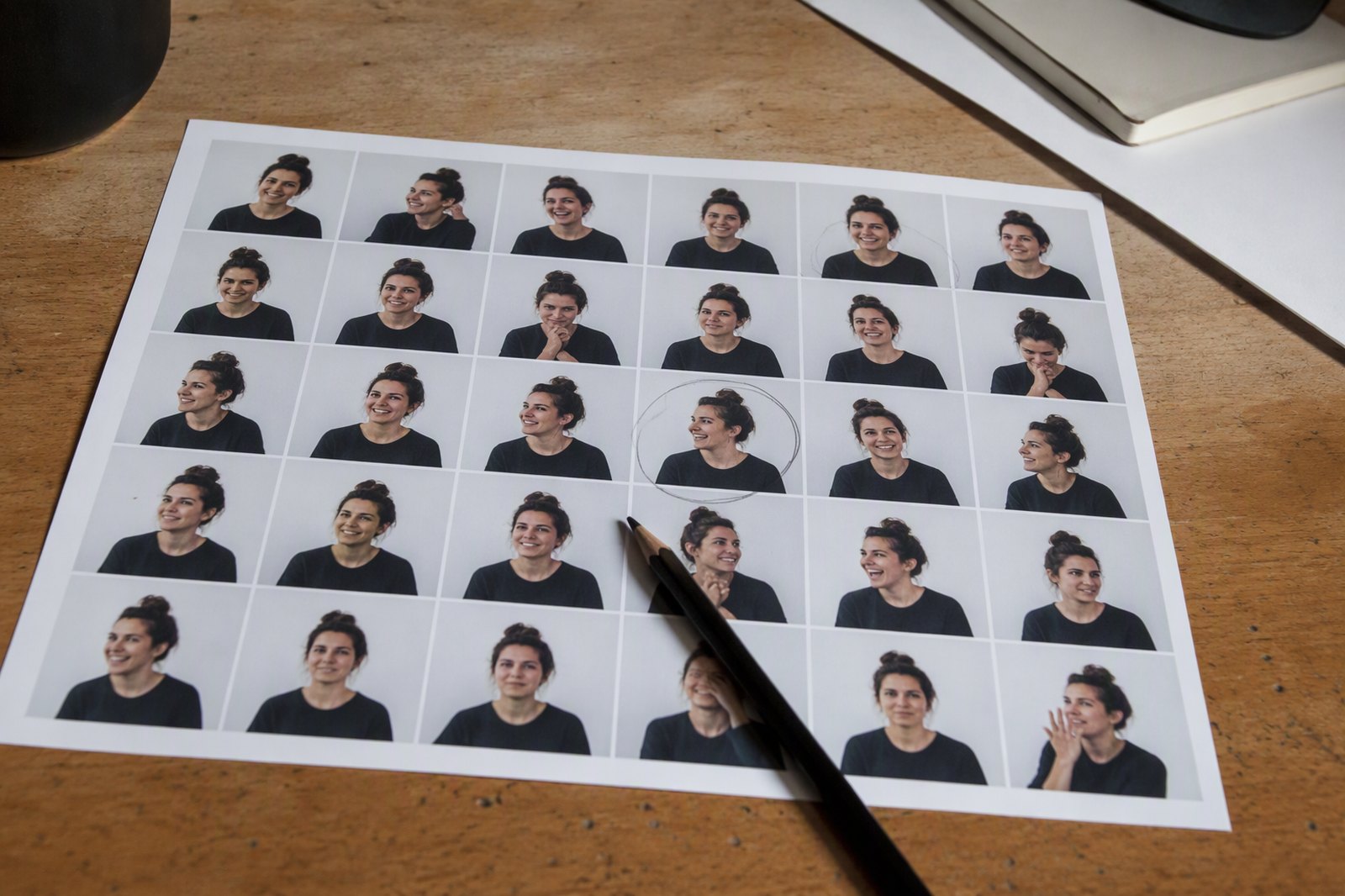
Two numbers from reviews of the same category of product, a few weeks apart.
"Paid for 100 pics and about 8 of them were usable."
"At least 50% of the pictures were usable, if not more."
Both people are telling the truth. The difference between them is almost entirely what they uploaded.
This article is about what a realistic number looks like, because going in without one is how people end up feeling cheated by a result that was actually normal.
The honest range
Across published reviews of the main tools, usable-photo rates cluster somewhere between five and fifty per cent. That is an enormous spread, and it is not mostly about which company you picked.
A useful way to hold it: most of a batch is discard, a handful is fine, and one or two are genuinely good.
If that sounds disappointing, consider what it replaces.
This is what photography has always been
A professional portrait session shoots several hundred frames. You are delivered perhaps ten. The photographer discards the blinks, the awkward half-expressions, the one where your jaw looks wrong, the one where the light fell badly — and you never see any of it.
The hit rate was always terrible. You were just protected from it.
An AI tool hands you the contact sheet. Same ratio, completely different feeling — because now the discarding is your job, and every bad frame looks like a thing you paid for rather than a thing that was always going to happen.
What actually moves the number
Upload variety, more than anything else. This is the whole ballgame. A model given eight versions of the same three-quarter selfie has one real angle and has to guess every other view of your head. Its guesses come out as the discards. Give it genuinely different days, angles, expressions and lighting and the hit rate climbs sharply.
Whether the scenes suit you. A batch that came back unusable is sometimes a batch of scenes that were never going to work. Formal studio lighting on someone who never wears a suit produces technically fine photos that are all wrong.
Difficult features. Glasses, strong beards, distinctive hair, piercings, anything asymmetric — these are where models fail most often, and where a low rate is genuinely the tool's problem rather than yours.
And luck. Generation is stochastic. The same input on the same day produces different outputs. Some of the variance is simply variance.
The number you actually need
Here is the part that reframes the whole question.
You need one.
A dating profile needs a strong first photo and a few supporting ones. A LinkedIn page needs one. A professional profile needs one. Nobody needs thirty.
So a batch where eight out of a hundred are usable is, in the terms that matter, a batch that worked — if the eight include one you are happy to be recognised by. And a batch of fifty passable ones with nothing you love has failed despite the number.
Judge the result by the best photo in it, not by the ratio. That is how a photo shoot is judged, and this is a photo shoot.
Where the guarantees sit
Most tools in this category advertise a refund if you do not get at least one usable photo. It is worth reading that closely, because it tells you what they think the product promises.
A guarantee of one is a guarantee that the hit rate will be low. The company has priced in the contact sheet. That is honest, in its way — it just does not match the marketing image of thirty flawless headshots.
What we would tell you before you start
Expect to discard most of them. Expect the good ones to be concentrated in two or three scenes rather than spread evenly — and when you find the scene that works for your face, that is information, not luck. Use it again.
And spend your effort where it actually pays: on the upload set. Eight varied, ordinary, plainly lit photos of you across different days will beat twenty beautiful near-identical ones every time, because the second set contains one photograph repeated.
If your rate is terrible, the first thing to change is not the tool.
The short version
Five to fifty per cent, and most of the spread is your uploads. Most of any batch is discard, and that has been true of photography since photography existed — you were just never shown the rejects before.
You need one good photo. Judge the batch on whether it contains one, not on how many it contains.