Image AI Generated: A Complete Guide for 2026
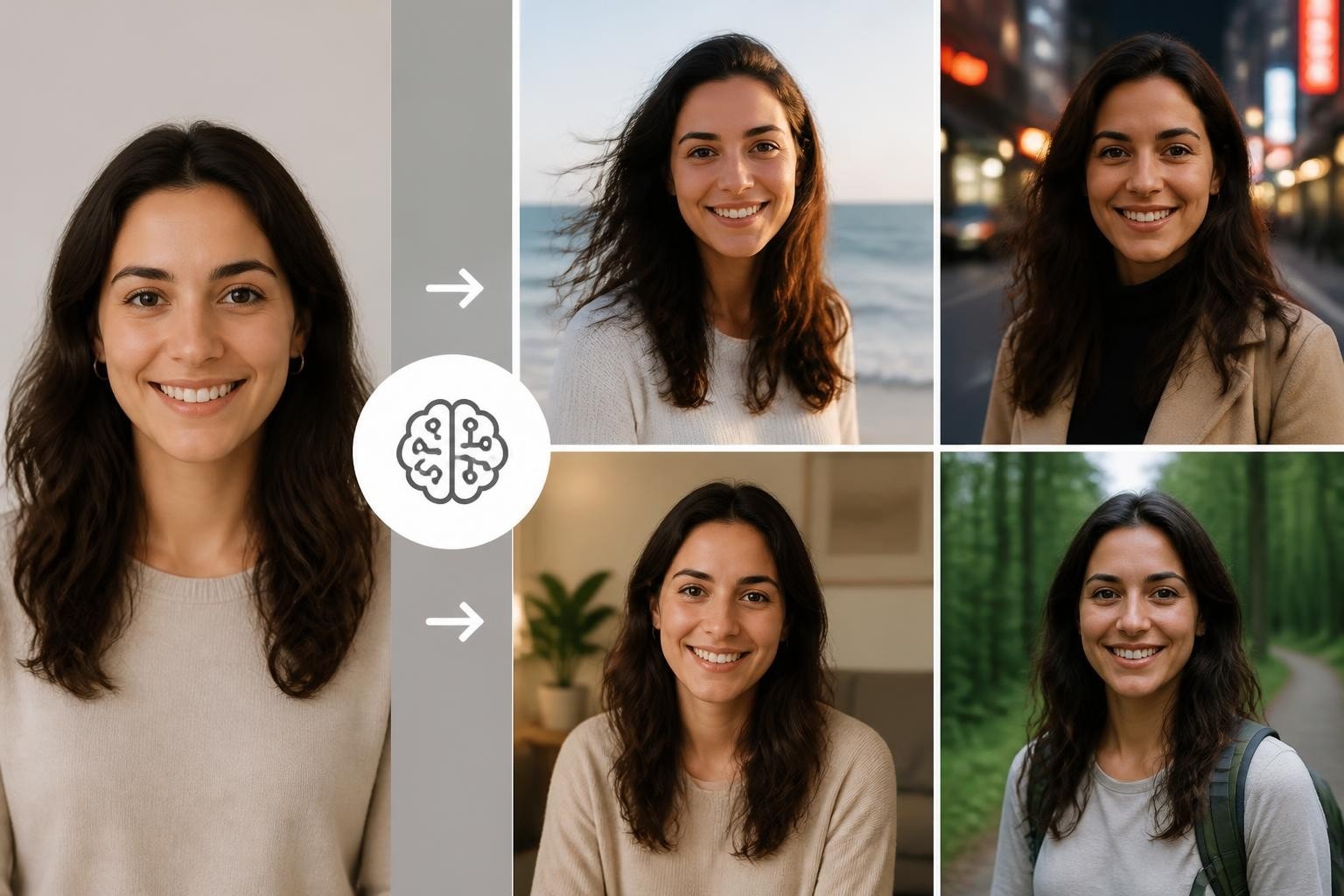
The landscape of digital imagery has undergone a dramatic transformation. An image AI generated through modern algorithms can now produce results that are virtually indistinguishable from traditional photography. This technology has moved beyond experimental labs into everyday applications, enabling individuals and businesses to create personalized visual content at scale. Whether you're building a professional profile, enhancing your social media presence, or exploring creative possibilities, understanding how AI-generated images work and where they excel has become essential knowledge in 2026.
How Image AI Generated Technology Actually Works
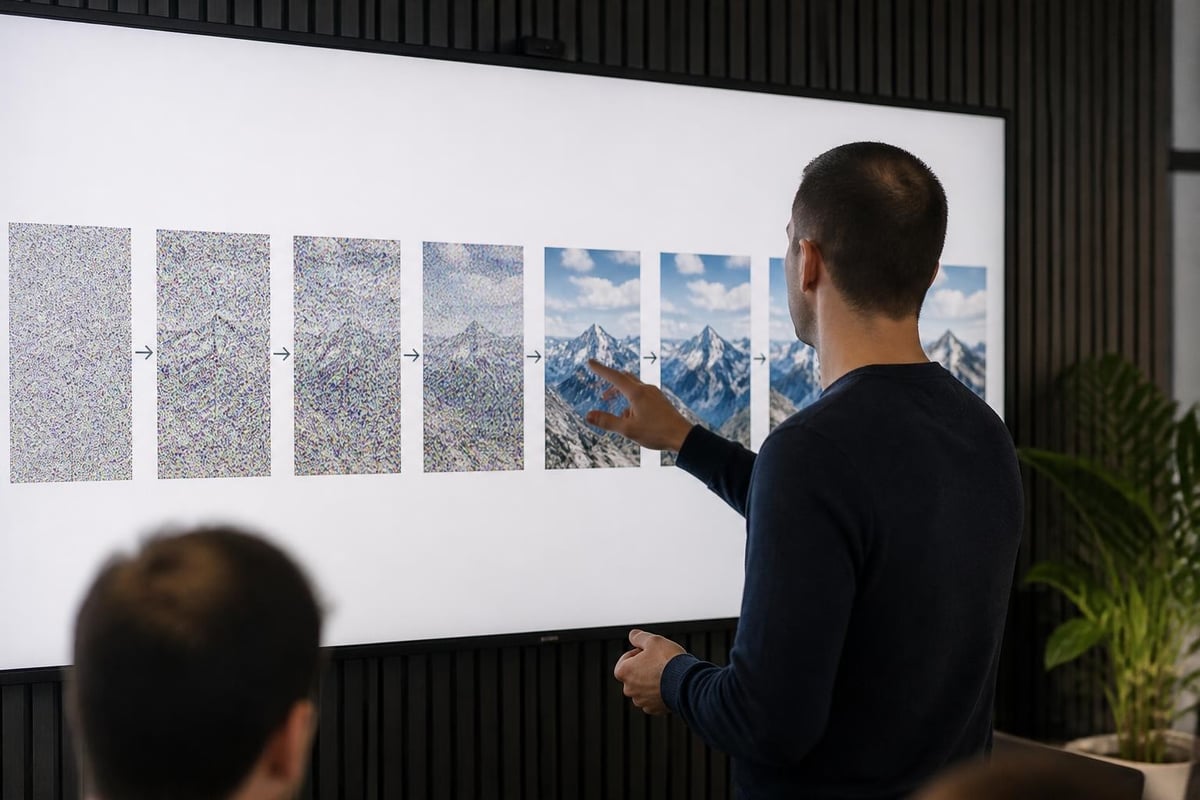
Modern image generation relies primarily on diffusion models, a class of machine learning algorithms that have largely replaced earlier generative adversarial networks (GANs). These models work by learning to reverse a gradual noise-addition process, effectively training themselves to create coherent images from random static.
The process begins with training on millions of image-text pairs. The model learns associations between visual patterns and descriptive language, building an understanding of concepts, styles, compositions, and subjects. When you request an image AI generated from a text prompt or reference photo, the system starts with random noise and progressively refines it through dozens of denoising steps, guided by your input.
The Role of Reference Images
Reference-based generation represents a significant advancement over pure text-to-image synthesis. Instead of relying solely on text descriptions, these systems analyze one or more input photographs to extract key features such as facial structure, skin tone, hair characteristics, and overall appearance.
The AI then uses this biometric and visual data as constraints during the generation process. This approach produces results where the subject maintains consistent identity across different scenes, poses, and contexts. According to research on generative AI in computer vision, identity preservation remains one of the most technically challenging aspects of image generation, requiring sophisticated encoding and attention mechanisms.
Key components of reference-based generation:
- Facial encoding networks that extract identity features
- Attention mechanisms that preserve specific characteristics
- Blending algorithms that harmonize the subject with new backgrounds
- Consistency checks across multiple generation attempts
- Quality filters that reject unrealistic outputs
Practical Applications That Drive Real Value
The true measure of any technology lies in its practical utility. An image AI generated for professional or personal use must deliver tangible benefits that justify its adoption over traditional photography.
Professional Headshots and Business Profiles
Corporate environments demand professional imagery, yet traditional headshot sessions involve scheduling, studio time, and significant expense. AI headshot generators now provide an alternative that maintains authenticity while offering flexibility.
Business professionals use these tools to generate multiple variations with different backgrounds, attire, and expressions from a single set of reference photos. This approach proves particularly valuable for distributed teams, where coordinating in-person photography sessions across locations becomes logistically complex.
| Traditional Headshot | AI-Generated Headshot |
|---|---|
| $150-500 per session | $30-100 for multiple variations |
| Requires scheduling and travel | Generate from home in minutes |
| Limited outfit/background options | Hundreds of scene combinations |
| Days to receive edited photos | Instant delivery |
| Difficult to update regularly | Easy to refresh quarterly |
Dating Profile Photography
The dating app landscape has created unprecedented demand for authentic, varied profile photography. Best dating profile pictures require diversity in setting, activity, and presentation, yet most people lack access to the range of photos that make profiles successful.
Users can generate images that show them in scenarios they've never physically experienced, from coffee shops to hiking trails, travel destinations to social gatherings. The key differentiator is maintaining genuine facial appearance rather than creating an idealized or retouched version.
CMeIn has refined this approach by offering over 4,500 different scene options that allow users to build complete, authentic-looking dating profile photos without the expense or logistics of actual photoshoots. The service prioritizes keeping your true likeness intact, addressing the common concern that an image AI generated might not accurately represent the person.
Social Media Content Creation
Content creators face constant pressure to produce fresh, engaging imagery. AI generation enables rapid iteration and experimentation with visual concepts without the overhead of traditional production.
Influencers and personal brands use these tools to maintain consistent posting schedules, test different aesthetic directions, and create seasonal or themed content. The technology particularly excels at generating variations on successful formats, allowing creators to identify what resonates with their audience through rapid testing.
Technical Capabilities and Current Limitations
Understanding what an image AI generated can and cannot accomplish helps set appropriate expectations and guides effective usage. The technology has reached impressive sophistication in specific areas while maintaining clear boundaries in others.
What Works Well in 2026
Facial consistency has improved dramatically. Modern systems can maintain recognizable identity across hundreds of generated images when provided with adequate reference material. This consistency extends to subtle characteristics like freckles, eye color, and facial structure proportions.
Scene composition has benefited from extensive training on professionally photographed images. AI-generated outputs now demonstrate competent understanding of lighting, depth of field, perspective, and visual balance. The systems have learned conventions of portrait photography and can apply them appropriately.
Clothing and styling integration allows subjects to appear in outfits and settings they've never actually worn or visited. The technology can plausibly render different fashion choices while maintaining the overall authenticity of the image.
Persistent Challenges
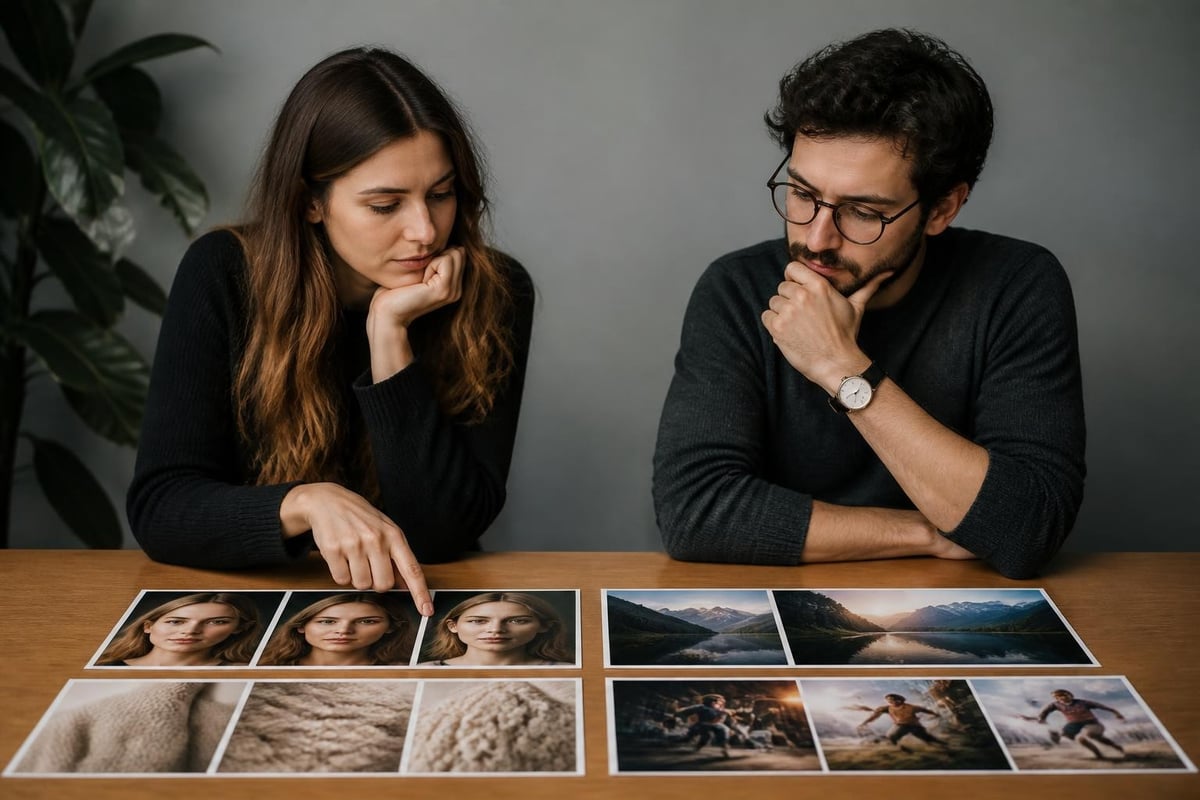
Despite rapid progress, certain limitations persist. Fine detail rendering occasionally produces artifacts, particularly in complex textures like hair, hands, or intricate patterns. While these issues have decreased significantly, they haven't been entirely eliminated.
Physical interaction remains challenging when generating images of multiple people or subjects interacting with specific objects. The spatial reasoning required for convincing interaction still produces occasional uncanny results.
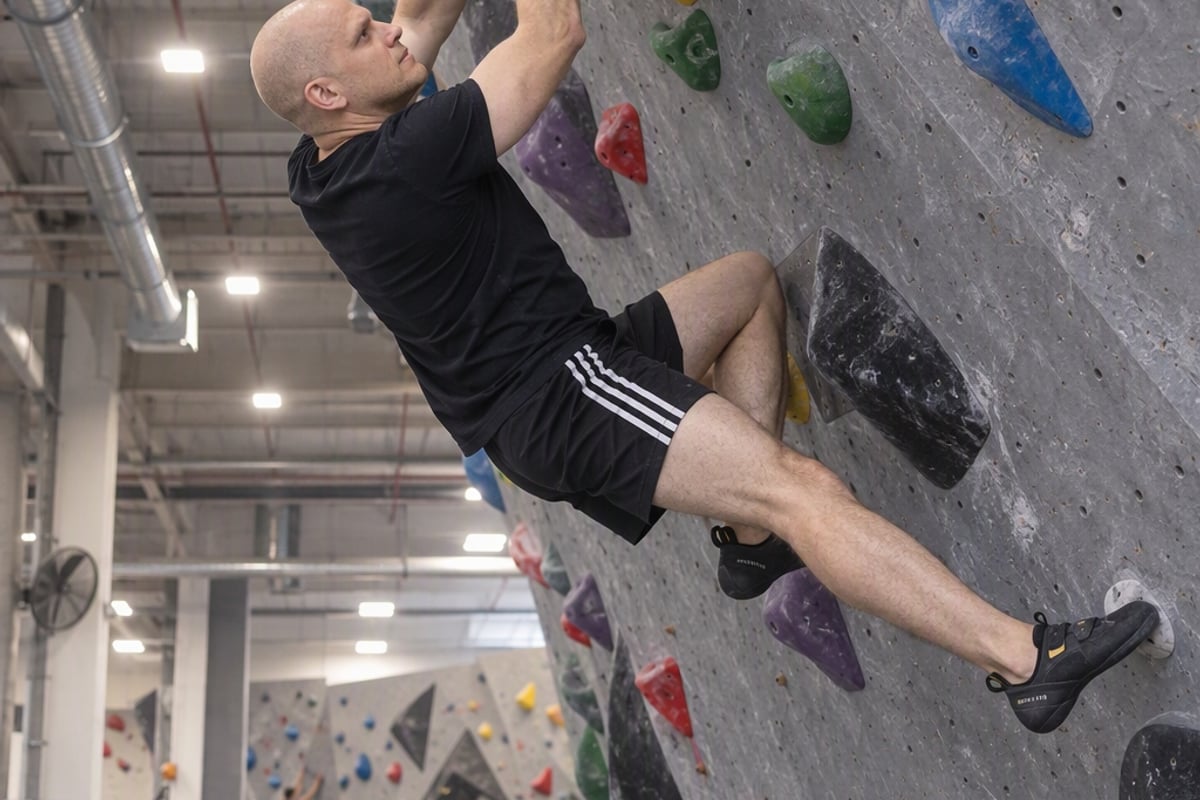
Extreme poses or unusual angles can sometimes reveal the synthetic nature of an image AI generated through anatomical improbabilities or perspective inconsistencies. Systems trained primarily on conventional photography may struggle with unusual compositions.
Stanford's explanation of diffusion models provides technical context for why certain generation tasks remain more challenging than others, relating to the underlying architecture and training data distributions.
Ethical Considerations and Responsible Use
The capability to generate realistic images of people carries significant ethical responsibilities. The same technology that enables legitimate personal and professional applications can be misused for deception, misinformation, or unauthorized representation.
Transparency and Disclosure
Professional standards increasingly require disclosure when images are AI-generated, particularly in contexts where authenticity carries legal or ethical weight. Dating platforms, for instance, expect users to present genuine representations of themselves, even if the specific photographs are AI-generated from authentic reference images.
The NIST report on synthetic content outlines technical approaches to provenance, watermarking, and detection that help address transparency concerns. These standards will likely become more widespread as regulatory frameworks evolve.
Consent and Likeness Rights
Generating images of yourself from your own reference photos raises no consent issues. However, creating images of others without permission crosses clear ethical and often legal boundaries. The technology's power to replicate specific individuals makes consent frameworks particularly important.
Bias and Representation
Research documented in Nature demonstrates that image-generating AI systems often reproduce and amplify societal biases present in their training data. These biases manifest in stereotyped representations across race, gender, age, and body type.
Responsible providers actively work to identify and mitigate these biases, though complete elimination remains an ongoing challenge. Users should remain aware that the scenes, compositions, and contexts suggested by AI systems may reflect historical patterns that don't represent universal or ideal standards.
Quality Assessment and Selection
Not every image AI generated meets the same quality threshold. Developing criteria for evaluating and selecting outputs ensures you use only images that serve your intended purpose effectively.
Technical Quality Markers
Resolution and sharpness should match your use case. Profile photos for social media typically require 1000-2000 pixels on the longest dimension, while professional headshots may need higher resolution for print applications.
Lighting consistency throughout the image indicates sophisticated generation. Watch for mismatched shadows, unrealistic highlights, or inconsistent light direction that betrays synthetic origins.
Facial detail accuracy deserves careful scrutiny. Compare generated images to your reference photos to confirm that distinctive features remain intact and recognizable.
Authenticity Evaluation
Beyond technical quality, images should feel genuine and unretouched. Over-smoothed skin, unnaturally perfect symmetry, or excessive idealization undermine the authenticity that makes AI-generated images valuable for personal representation.
The best approach involves generating multiple options and selecting those that maintain your genuine appearance while presenting you in favorable contexts and lighting. CMeIn's examples demonstrate this balance between quality and authenticity.
Integration with Traditional Photography
AI-generated images work best as a complement to traditional photography rather than a complete replacement. Understanding how to integrate both approaches creates the most versatile and effective image portfolio.
Building a Hybrid Portfolio
A strong professional or personal portfolio typically includes both authentic traditional photographs and AI-generated variations. Traditional photos establish baseline authenticity and capture real moments, while AI-generated images fill gaps in variety, context, and presentation style.
Effective hybrid portfolio structure:
- Begin with several authentic photographs as portfolio anchors
- Identify gaps in setting, activity, or presentation variety
- Generate AI images specifically to address those gaps
- Maintain consistent editing style across both types
- Refresh both traditional and AI images periodically
When to Choose Traditional Photography
Certain situations still strongly favor traditional photography. Group photos, images with specific other people, documentation of actual events, and contexts where absolute verifiability matters all call for conventional photography.
Legal documents, official identification, and verified professional credentials require traditional photographs. Similarly, journalistic work and documentary contexts maintain strict standards against synthetic imagery.
The Detection Arms Race
As generation technology improves, so do detection methods. Understanding this dynamic helps contextualize both the capabilities and limitations of current systems.
Current Detection Methods
Forensic analysts use several approaches to identify synthetic images. Noise analysis examines the statistical patterns of pixel-level noise, which differs between camera sensors and AI generation. Frequency domain analysis looks for artifacts in how images compress and represent fine details.
Generative fingerprinting identifies subtle signatures specific to particular AI models. The DeepfakeBench research provides standardized evaluation frameworks for these detection approaches.
Biological impossibilities sometimes reveal synthetic origins. Unusual reflections in eyes, inconsistent skin texture patterns, or anatomically improbable structures can indicate AI generation.
Improving Authenticity
Service providers continuously refine their systems to produce more authentic results. This isn't primarily about evading detection, but rather about creating images that genuinely look and feel like high-quality photography.
Berkeley AI Research describes training techniques that improve realism through reinforcement learning and human feedback, helping models learn what makes images appear naturally photographed rather than obviously synthetic.
Legal and Copyright Implications
The legal landscape surrounding AI-generated images continues to evolve. Current understanding provides some guidance, though definitive case law remains limited in many jurisdictions.
Copyright Ownership
The U.S. Copyright Office guidance indicates that AI-generated content may qualify for copyright protection when it involves sufficient human creative input in prompting, selection, and arrangement. However, purely AI-generated elements may not qualify for protection in the same way human-authored work does.
For users generating images of themselves, copyright questions matter less than for commercial applications. Personal use of your own generated likeness generally falls outside contested legal territory.
Commercial Usage Rights
When using AI generation services, review terms of service carefully. Most legitimate providers grant users full commercial rights to images generated from their own reference photos. This enables use in professional contexts, marketing materials, and commercial applications without licensing concerns.
Privacy and Publicity Rights
Your right to use your own AI-generated likeness for commercial purposes varies by jurisdiction. Most regions recognize individuals' rights to control commercial use of their own image, which extends to AI-generated versions created from their reference photos.
Choosing Quality Service Providers
The proliferation of AI image generation tools has created a crowded marketplace. Distinguishing quality providers from substandard offerings requires understanding key evaluation criteria.
Service Evaluation Framework
| Criterion | What to Look For | Red Flags |
|---|---|---|
| Identity preservation | Consistent facial features across outputs | Generic faces or inconsistent appearance |
| Output variety | Thousands of scene options | Limited, repetitive settings |
| Quality control | Manual review or advanced filtering | Frequent artifacts or unrealistic results |
| Privacy protection | Clear data handling policies | Vague terms about reference photo usage |
| Pricing transparency | Clear, straightforward pricing | Hidden fees or confusing tiers |
| Customer support | Responsive, helpful assistance | Difficult to reach or unhelpful responses |
Technical Infrastructure Indicators
Quality providers invest in advanced model training and infrastructure. Look for services that discuss their technical approach, demonstrate understanding of generation challenges, and show commitment to ongoing improvement.
The SEO automation platform RankPill serves as an example of how AI-powered services across different domains increasingly emphasize technical sophistication and automation quality as key differentiators.
Workflow Integration for Regular Use
Incorporating AI-generated images into regular personal or professional workflows requires establishing efficient processes. One-time generation differs significantly from ongoing, systematic usage.
Establishing a Generation Schedule
Monthly or quarterly updates keep your image portfolio fresh without creating excessive overhead. Set calendar reminders to generate new variations seasonally or when significant life changes occur (new hairstyle, different glasses, seasonal clothing).
Event-driven generation supplements scheduled updates. Before launching a job search, starting a dating profile, or refreshing social media presence, generate a focused set of images specific to that context.
Organizing Generated Assets
Systematic organization prevents generated images from becoming digital clutter. Create clear folder structures that separate reference photos, generated outputs, selected finals, and archived options.
Recommended organization structure:
- Reference_Photos (originals used for generation)
- 2026_January
- 2026_April
- Generated_Raw (all outputs before selection)
- Professional_Headshots
- Casual_Social
- Activity_Based
- Selected_Finals (curated, ready-to-use images)
- LinkedIn_Profile
- Dating_Apps
- Social_Media
Version Control and Updates
As you refresh your image portfolio, maintain previous versions for context and comparison. This historical record helps you identify which styles, settings, and presentations work best for your purposes over time.
Modern networking tools like Spreadly's digital business cards make updating professional images seamless-you can swap in new AI-generated headshots without reprinting physical cards or updating dozens of platforms manually.
Industry-Specific Applications
Different professional contexts have embraced AI-generated imagery at varying rates and with distinct requirements. Understanding these sector-specific considerations helps tailor generation approaches appropriately.
Real Estate and Property Marketing
Real estate professionals use AI generation to create lifestyle imagery that helps potential buyers envision themselves in properties. While property photos themselves must be authentic, contextual images showing the local area, lifestyle amenities, and professional agent headshots benefit from AI generation.
Creative Portfolio Development
Artists, designers, and creatives explore AI generation as both a creative tool and a portfolio-building resource. Generated images can demonstrate range, explore concepts, and create cohesive visual narratives without requiring extensive traditional photography resources.
Photography studios like One Big Happy Photo specialize in custom newborn and family photography where authentic, human-captured moments remain irreplaceable. This creates a complementary landscape where traditional photography serves certain needs while AI generation addresses others.
Personal Branding and Coaching
Coaches, consultants, and personal brands require consistent, professional imagery across multiple platforms and contexts. AI generation enables them to maintain visual cohesion while adapting presentation to different audiences, topics, and seasonal themes.
Optimizing Reference Photo Quality
The quality of an image AI generated depends heavily on the reference photos provided. Understanding what makes effective reference material improves output quality significantly.
Technical Requirements
Resolution matters. Reference photos should be at least 1000 pixels on the shortest dimension, with 2000+ pixels preferred. Higher resolution provides more facial detail for the AI to preserve.
Focus and sharpness directly impact results. Blurry reference photos produce uncertain facial features that the AI may interpret inconsistently across generations. Use the sharpest, best-focused images available.
Lighting quality in reference photos influences how well the AI understands your facial structure. Well-lit images with even illumination help the system accurately capture your features.
Compositional Considerations
Variety in angles helps the system build a comprehensive understanding of your face. Include reference photos from different perspectives: straight-on, slight angles, and profile views.
Expression range in reference photos allows the AI to understand your natural facial expressions. Include both neutral and smiling photos to give the system appropriate options.
Minimal obstruction ensures facial features remain clear. While glasses are fine if you regularly wear them, avoid reference photos with hands covering parts of your face, extreme shadows, or other obstructions.
Advanced Customization and Control
Beyond basic generation, advanced users can exert greater control over output characteristics through careful prompting, selection criteria, and iterative refinement.
Scene Selection Strategy
Rather than randomly choosing from available scenes, develop a systematic approach. Identify 5-10 scenes that align with your personal brand or dating profile strategy, then generate multiple variations within those specific contexts.
This focused approach produces more usable results than generating broadly across all available options. It also creates visual consistency across your image portfolio.
Iterative Improvement
Generation isn't typically a one-shot process. Review initial outputs, identify what works and what doesn't, then adjust your approach. If certain angles consistently produce better results, prioritize those. If specific settings create more authentic-looking outputs, focus generation there.
Combining Multiple Tools
Sophisticated workflows sometimes combine AI generation with other tools. Generate the core image, then use photo editing tools for minor adjustments, background removal for specific applications, or image compression for web optimization.
Future Developments and Trajectory
The field of AI image generation continues rapid advancement. Understanding likely near-term developments helps contextualize current capabilities and plan for evolving possibilities.
Technical Improvements on the Horizon
Real-time generation will reduce the current lag between requesting images and receiving results. Current systems require seconds to minutes per image; future implementations may achieve near-instantaneous generation.
Video extension represents the next frontier. Early systems can already create short video clips from static images. Expect this capability to mature significantly over the next few years, enabling AI-generated video content with the same identity preservation currently available for still images.
Enhanced physical accuracy will address current limitations around hands, complex interactions, and unusual poses. As training data improves and models become more sophisticated, these remaining artifacts will diminish.
Regulatory Evolution
Expect increased regulation around disclosure, watermarking, and usage contexts for AI-generated images. Many jurisdictions are developing frameworks that balance innovation with consumer protection and misinformation prevention.
These regulations will likely establish clearer guidelines around acceptable use cases, required disclosure in specific contexts, and penalties for malicious deepfakes while preserving legitimate applications.
The technology behind an image AI generated has matured from experimental novelty to practical tool, offering genuine value when applied appropriately. Understanding both capabilities and limitations enables you to leverage this technology effectively while maintaining authenticity and ethical standards. Whether you need professional headshots, dating profile variety, or social media content, CMeIn provides realistic AI-generated images from your reference photos across over 4,500 scenes-keeping your true likeness intact without retouching or alteration.