A company directory
Every person on the About page is shot the same way, and yours has to match. Light grey or off-white, head and shoulders.
One photo in, a clean head-and-shoulders headshot out: your face, your skin and your clothes exactly as they were, a plain studio backdrop in the colour you choose behind you. One free a day, no account needed.
What a headshot generator usually gives you. Your face, lit from three directions, smoothed and narrowed, in a blazer you do not own, in an office that was never there. The technology is good now. The problem is not quality.
It is that a portrait is checked against you in person. Every improvement makes the photo work better on screen and worse in the room. So this one improves nothing about you. It changes the background and the framing, and leaves you alone.
Signing up changes one thing: the photos in your gallery go in as references, so the model has your face from several angles instead of one. The likeness is noticeably closer. Try it without an account first, and if it is not quite you, that is the fix.
Every person on the About page is shot the same way, and yours has to match. Light grey or off-white, head and shoulders.
The convention is a portrait, and breaking it looks like a mistake rather than a choice.
Law, medicine, finance: clients read a portrait as a signal of seriousness. Charcoal or navy reads most formal.
For the rest of LinkedIn, the banner, the posts, the Featured section, see LinkedIn photos of you working.
Everywhere the photo is a stand-in for meeting you: a dating profile, an Instagram or Threads account, a WhatsApp avatar your friends see daily, a founder photo people look up before a call. In all of those, a studio portrait reads as either corporate or dated, and the gap between the photo and the person is noticed immediately. We would rather tell you that than sell you a headshot for a dating profile.
What works there is dull to describe and hard to fake: you, somewhere real, in ordinary light, in your own clothes. A background someone can ask about. That is what the rest of CMeIn makes.


And a demo subject, same method, eight scenes. None of these is a headshot, which is the point of them.

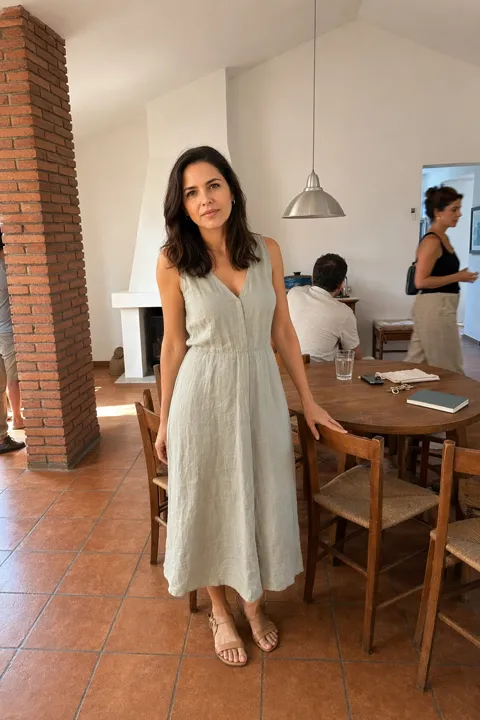
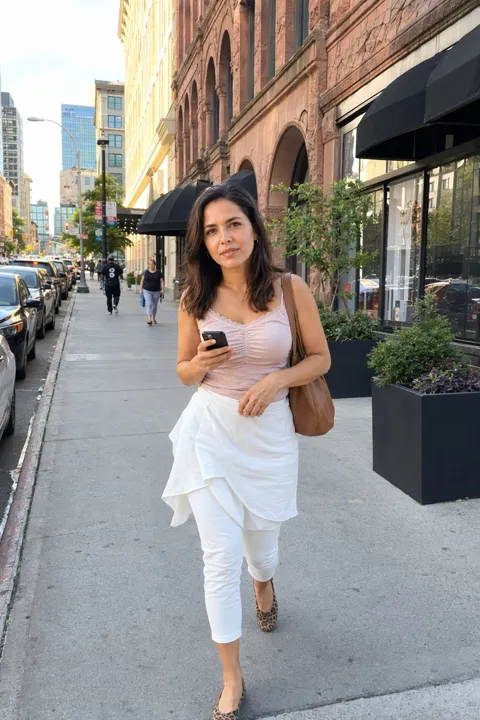
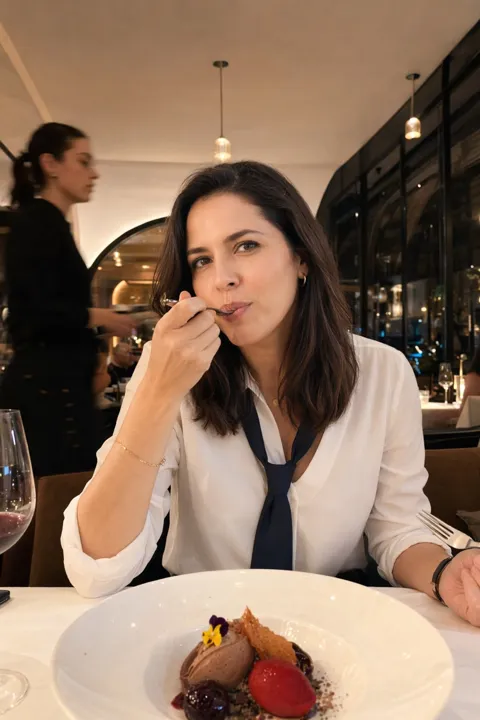
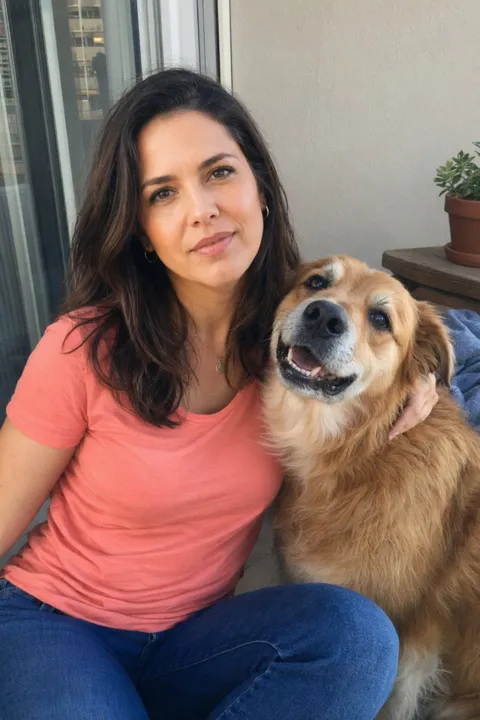

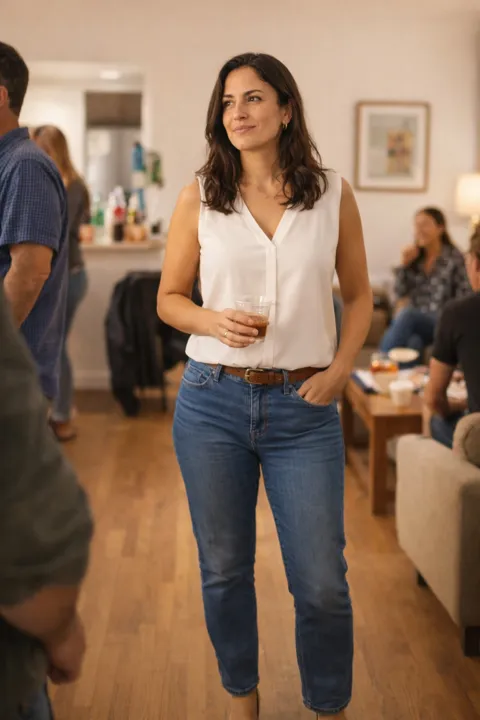
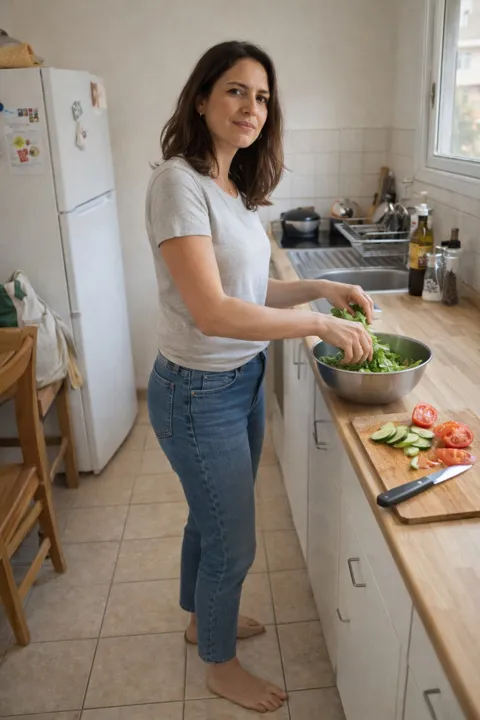
Most headshots fail on the pose, not the face: square to the lens, shoulders up, hands with nothing to do. Pose Maxing corrects exactly that in a photo you already have and leaves the rest alone: the background, your clothes, your face.
The same corrections the headshot tool builds in, applied to a photo you want to keep. Upload your headshot and see what it would change.
The headshot you paid for, minus the stiffness. Background, blazer and face stay put.
Try Pose MaxingA portrait answers one question: what do you look like. Everywhere the photo stands in for meeting you, three more get asked: what do you do, who are you with, would I want to be there. A photo with social composition answers all four at once.
CMeIn composes every scene this way; a portrait cannot. Why social composition works.
A photograph, not a portrait. A place, a moment and other people, with you leading it.
See examplesOne headshot a day is free, with or without an account. Beyond that, a headshot is 300 credits like any other photo, and there is no subscription. Full pricing.
One photo in, a clean headshot out. One free a day, no account, nothing improved about you.