It Worked Last Year. Why Your AI Photos Suddenly Got Worse
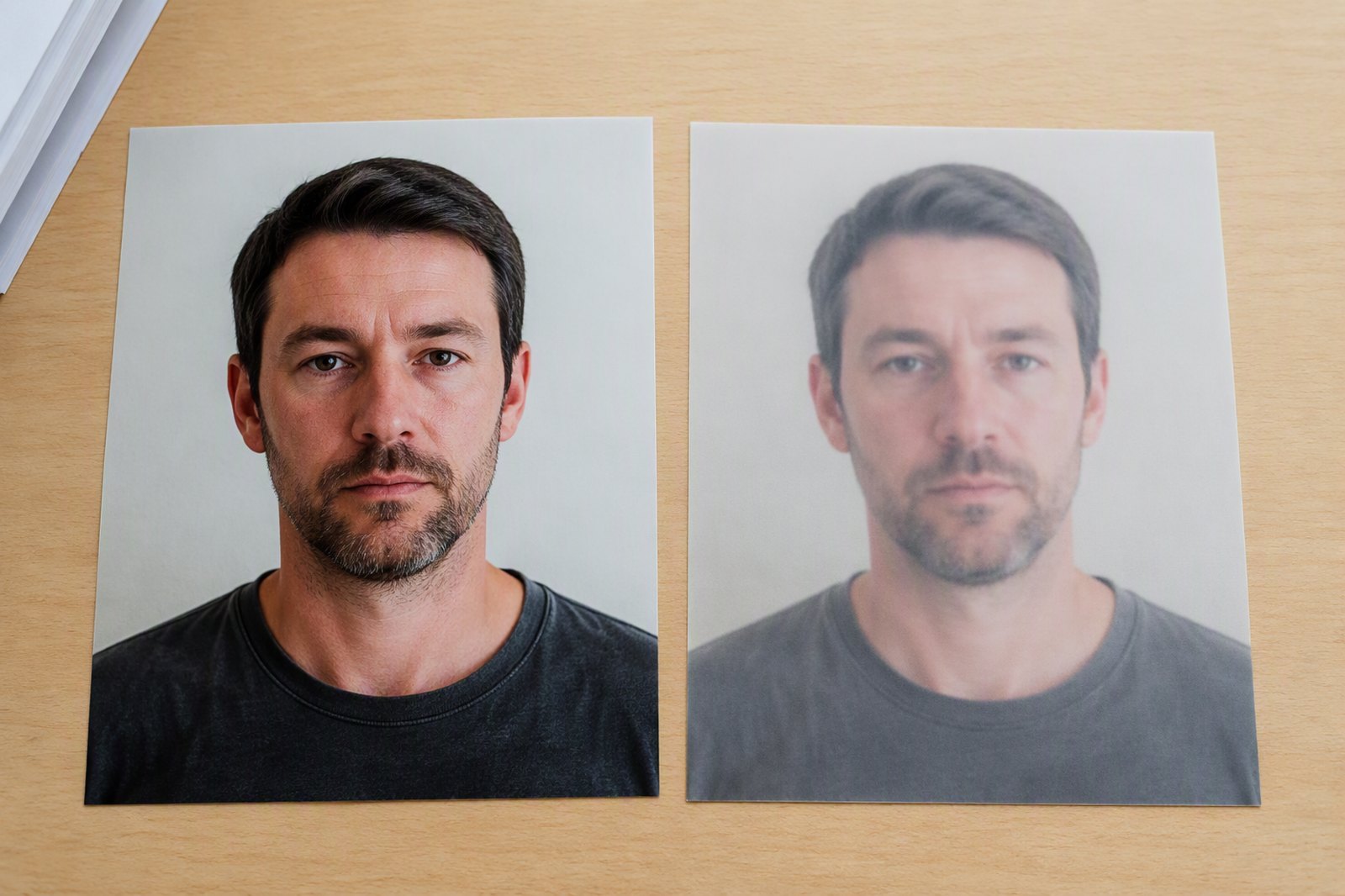
One of the more informative complaints in this entire category, because the reviewer knew what he was looking at:
"Last year they used Flux and it was brilliant. Now this changed and my photos are nothing like me."
And another customer of the same tool, describing it from the outside:
"I was using it some time ago, and back then it created good images. Then the mode was changed, and now you can only create two types of images, but they look terrible. And you can no longer access the old avatar or the other mode."
They bought one product and, without being told, ended up with another.
These companies mostly do not own a model
This is the fact that explains everything else, and it is not obvious from any of their marketing.
Almost every AI headshot and photo product is an interface, a prompt library and a billing system sitting on top of an image model somebody else built. The model is the expensive part and the hard part, and it belongs to a handful of large providers.
Which means the core of the product is a setting. Changing it is a configuration change on their side and an invisible one on yours.
Why they swap
Cost. Inference pricing moves. A model that was affordable at launch stops being affordable at scale, and a cheaper one appears.
Availability. Providers deprecate. Access terms change. A model that was available is not.
Benchmarks. A newer model scores better on average and gets adopted on that basis. Average is the problem — a model that is better across a million faces can be worse on yours, particularly if your face is not close to the average the model was trained on.
Cascading defaults. Sometimes nobody chose anything. The provider updated a model behind the same name and every product built on it changed overnight.
Why nobody announces it
Partly because it would be an awkward announcement. Mostly because they never told you the first one.
Look at the marketing on any of these sites: our AI, proprietary technology, built by researchers from. Very few name the actual model. A company that has never said which model it uses has no way to announce a change to it, and no obligation it has publicly taken on.
The reviewer above could name Flux because he was paying attention and the tool was unusually open. Most customers only find out the way the second reviewer did: the results stopped being good.
What you can actually do
Keep an old batch. Not for sentiment — as a control. Memory is unreliable about image quality and you will not be able to tell drift from nostalgia without a file to compare.
Re-run one scene with the same uploads. Same inputs, different month. If the output has visibly changed, you have your answer without needing anyone to confirm it.
Save the results you like, the day you get them. This is the practical lesson under all of it. A photo you cannot reproduce is only as safe as your copy — and as another reviewer found when his library was deleted without warning, the copy on their server is not yours.
And check whether the tool names its provider. Not as a guarantee of stability. As a signal that somebody there thinks you are entitled to know what you are buying.
What we do
We name them. Generation runs through Microsoft Azure OpenAI or OpenAI, and our privacy policy says so by name rather than describing "trusted AI partners". You can read who receives your photos and who produces the result.
We are not going to promise the model will never change — that promise would be dishonest from any company in this category, including one that owns nothing underneath. Models get deprecated and we will not be the exception. What we will not do is change it while describing the product as proprietary and unchanging, because the whole reason the reviewers above are angry is that nobody told them.
The other half of our answer is not a promise but a design: the thing we tune is the instruction that goes with every generation — preserve the facial features, skin tone, hairline, age and structure, so the result still looks like the person who uploaded. That instruction survives a model change. It is the part we own.
The short version
Your tool probably does not own its model, so the core of the product is a setting somebody can change on a Tuesday. Costs move, providers deprecate, and a model that benchmarks better on average can be worse on your face.
Keep an old batch as a control, save what you like when you get it, and prefer tools that will tell you what they are running.