Free Selfie AI Generator: Create Realistic Photos in 2026
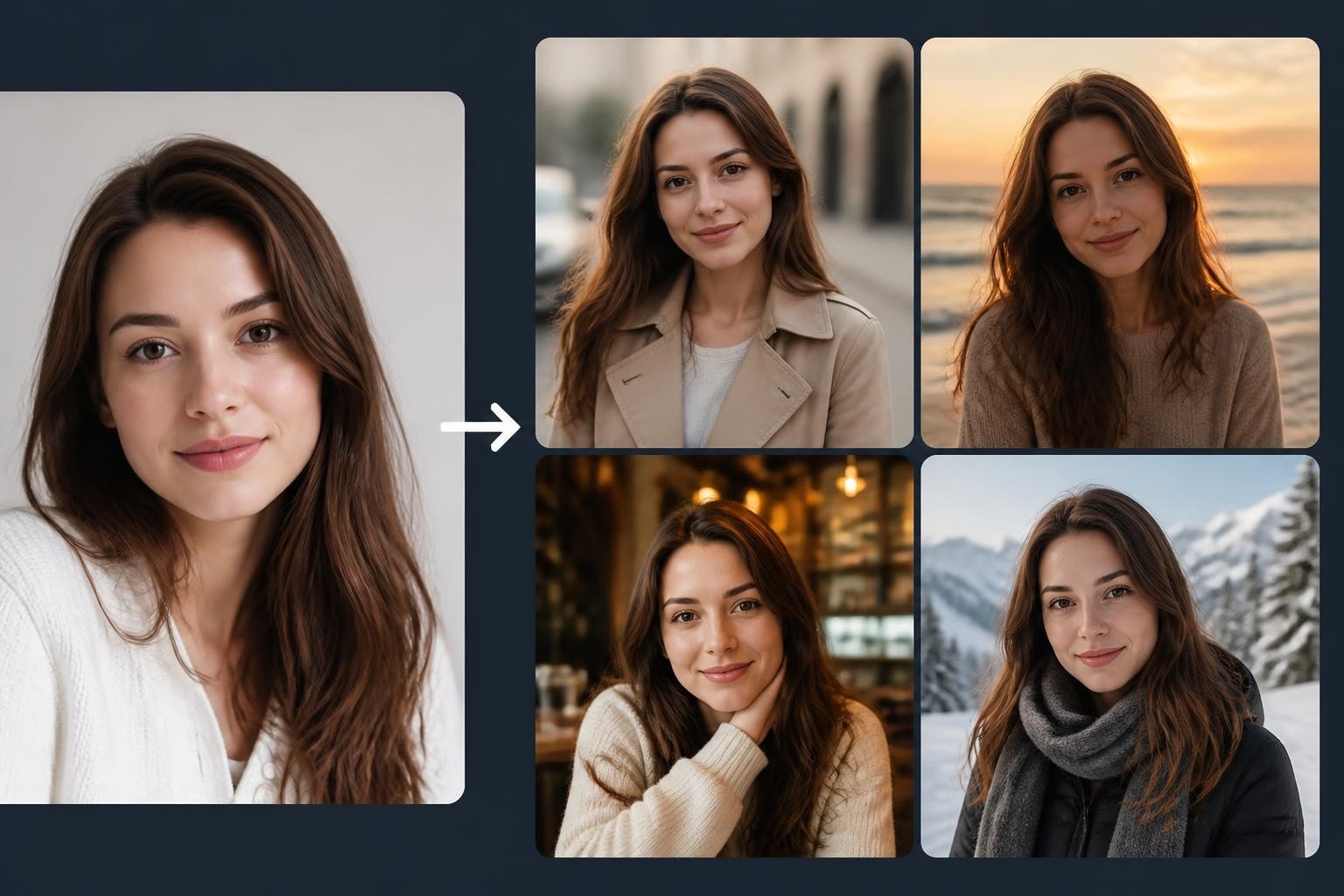
The demand for personalized digital content has never been higher, and free selfie AI generator tools have emerged as a solution for anyone wanting fresh photos without scheduling a photoshoot. These tools promise to create realistic images of you in various settings, from professional headshots to casual social media posts. But how do these systems work, what separates quality generators from disappointing ones, and what should you know before uploading your photos? Understanding the technology, capabilities, and limitations helps you choose the right tool for your needs.
How Free Selfie AI Generators Actually Work
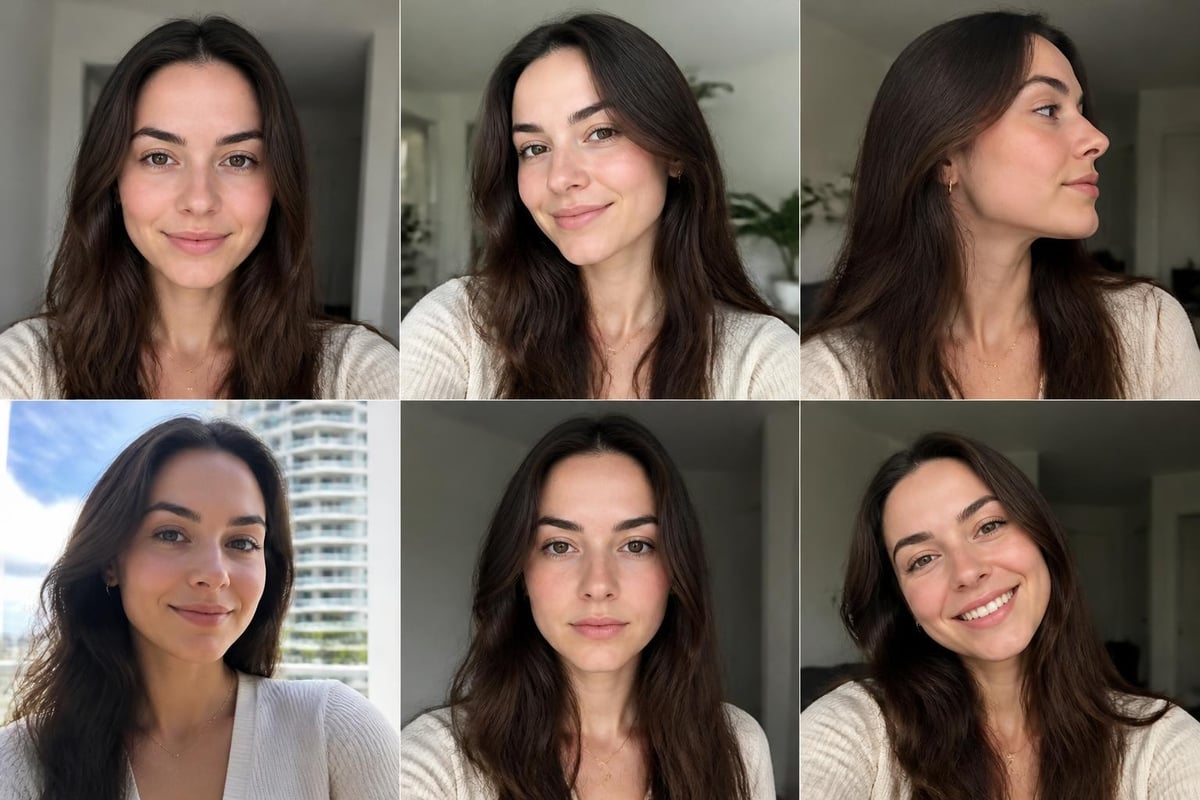
A free selfie AI generator operates through sophisticated machine learning models trained on millions of facial images. The process begins when you upload reference photos, typically 10-20 selfies showing your face from different angles and lighting conditions. The system analyzes your unique facial features, including bone structure, skin tone, eye shape, and distinctive characteristics that make you recognizable.
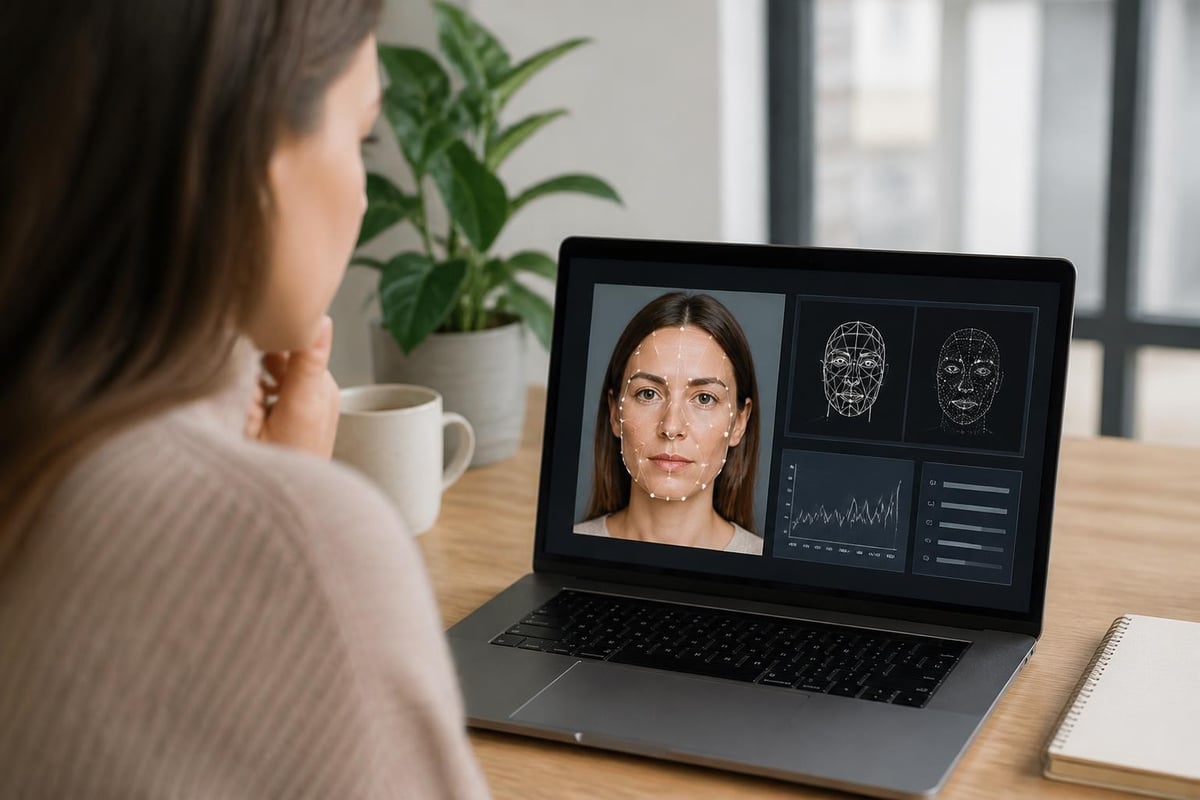
The technology behind these generators typically relies on one of two approaches: Generative Adversarial Networks (GANs) or diffusion models. GANs work by pitting two neural networks against each other-one creates images while the other evaluates their realism. This competitive process continues until the generator produces photos realistic enough to fool the evaluator. Diffusion models, on the other hand, start with random noise and gradually refine it into a coherent image based on your facial data and the desired scene.
The Training Data Challenge
Quality depends heavily on the dataset used to train the AI. Many generators use public datasets containing millions of faces, but dataset composition and demographic representation significantly affect output quality. If training data lacks diversity in age, ethnicity, or facial features similar to yours, the results may not accurately capture your likeness.
Modern systems build a personalized model specifically for you, learning the subtle details that make your face unique. This approach requires computational power and time, which explains why truly effective free selfie AI generator tools often limit the number of scenes or images you can create without upgrading.
What Free Versions Actually Include
Free tiers vary dramatically across platforms. Understanding what you receive without payment helps set realistic expectations and determines whether a tool meets your needs.
| Feature | Typical Free Tier | Premium Version |
|---|---|---|
| Reference Photos Required | 10-20 images | 8-15 images |
| Generated Images | 5-25 photos | Unlimited |
| Scene Variety | 3-8 preset scenes | 50+ custom scenes |
| Resolution | Standard (512-1024px) | High (2048px+) |
| Processing Time | 30-60 minutes | Priority (10-20 min) |
| Watermarks | Often present | Removed |
Most free versions provide enough output to test whether the technology works for your face and style. You might receive headshots, casual outdoor scenes, or professional settings, but rarely the full range of options available in paid versions.
Key limitations to expect:
- Reduced customization of clothing, backgrounds, and poses
- Lower resolution unsuitable for printing or professional use
- Processing delays during peak usage times
- Restrictions on commercial usage rights
- Limited support for fixing issues with generated images
Some platforms offer a completely free selfie AI generator experience by monetizing through ads or data partnerships. Others provide a genuine trial with full features but limit the number of outputs. Reading the terms of service clarifies what happens to your uploaded photos and whether the company retains rights to generated images.
Evaluating Quality and Realism
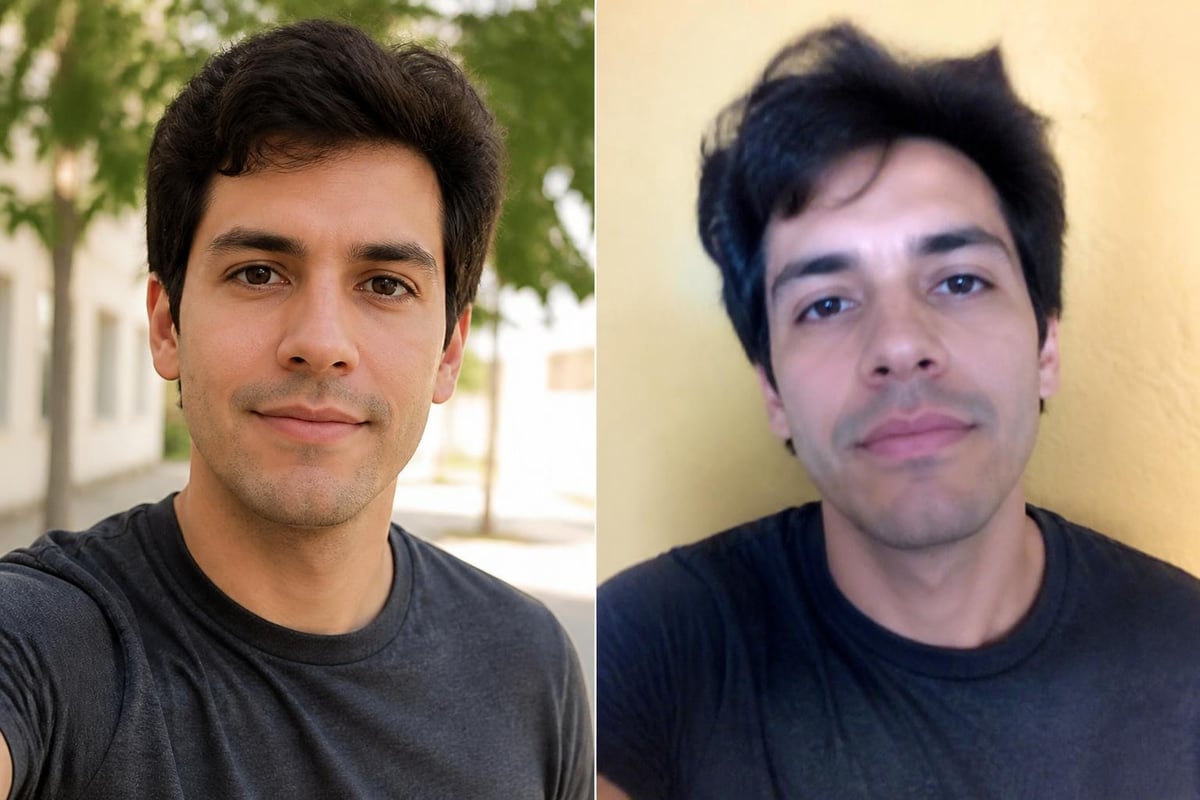
Not all AI-generated selfies look convincing. Several factors determine whether your output appears authentic or obviously synthetic. Facial consistency remains the primary quality indicator-does the person in every generated image look like the same individual, and is that individual recognizably you?
Common Quality Issues
Watch for these red flags that indicate a subpar free selfie AI generator:
- Inconsistent facial features across different scenes
- Unnatural eye direction or mismatched gaze
- Lighting inconsistencies between your face and the background
- Distorted hands or accessories when visible
- Edge artifacts where your face meets the background
- Skin texture that looks overly smooth or plastic
Face recognition evaluation standards from authoritative technical bodies provide benchmarks for assessing accuracy. Professional generators maintain consistent facial geometry across outputs, ensuring your nose doesn't change shape between images or your eyes shift position.
The best systems preserve your natural appearance without automatic retouching. Many tools apply beauty filters by default, smoothing skin and enlarging eyes in ways that reduce authenticity. If you're creating images for platforms like AI dating photos where trust matters, maintaining your actual appearance proves more valuable than artificial enhancement.
Privacy and Security Considerations
Uploading photos of your face to any online platform carries inherent risks. A free selfie AI generator requires access to detailed images of you, raising valid concerns about data protection and potential misuse.
Essential questions to ask before uploading:
- Where are your photos stored and for how long?
- Does the company sell or share your data with third parties?
- Can you request deletion of your photos and generated images?
- What happens if the service experiences a data breach?
- Does the platform use your images to train future models?
Reputable services provide clear privacy policies and comply with data protection regulations like GDPR or CCPA. They should offer straightforward deletion processes and specify retention periods. Be particularly cautious with generators that require excessive permissions or lack transparent ownership information.
The rise of AI-generated non-consensual intimate imagery highlights serious ethical concerns around face-swapping technology. While legitimate selfie generators focus on creating appropriate portraits, the same underlying technology can be misused. Choose platforms that implement safeguards against generating inappropriate content and clearly prohibit misuse in their terms of service.
Practical Use Cases for AI Selfies
Understanding where AI-generated selfies provide genuine value helps you assess whether a free selfie AI generator suits your needs. These tools excel in specific scenarios while proving less suitable for others.
Professional Applications
LinkedIn profiles and business headshots represent the most common professional use case. A quality AI headshot generator creates clean, professional portraits without scheduling photographer appointments or investing in studio sessions. For entrepreneurs, remote workers, and job seekers, this accessibility democratizes professional photography.
Corporate teams use these tools to maintain visual consistency across employee directories, particularly for distributed teams where coordinating physical photoshoots proves logistically challenging. The key is ensuring the generated headshots look natural and appropriately professional for your industry.
Social Media and Personal Branding
Content creators, influencers, and professionals building personal brands use AI selfie generators to maintain consistent posting schedules without constant photoshoots. The ability to generate images in varied settings helps tell visual stories and maintain audience engagement.
For those exploring how AI generates images for social presence, these tools offer scene variety impossible to achieve through traditional photography. You can appear in locations you've never visited or wear outfits you don't own, creating aspirational content that resonates with specific audiences.
Dating and Relationship Apps
Dating profiles benefit from variety in photos, showing you in different contexts and activities. However, authenticity remains paramount on dating platforms where trust forms the foundation of connections. Using an AI generator to create obviously fake travel photos or misleading images damages credibility and violates many platforms' terms of service.
CMeIn approaches this differently by generating realistic AI photos that maintain your exact likeness across varied scenes. Rather than creating fantasy versions of yourself, the service produces authentic-looking images where your face stays yours, without retouching or artificial enhancement. This approach works particularly well for dating profile photos where you need scene variety while preserving genuine representation.
Technical Requirements and Best Practices
Getting optimal results from a free selfie AI generator requires providing the right input photos. The quality and variety of your reference images directly impact output accuracy.
Ideal reference photo characteristics:
- Well-lit faces with minimal shadows
- Multiple angles including front-facing, 45-degree, and profile views
- Neutral expressions alongside natural smiles
- Clear focus without blur or motion artifacts
- Varied backgrounds to help the AI distinguish your face from surroundings
- Different times of day showing how lighting affects your features
Avoid filters, heavy makeup, or accessories that obscure facial features in your reference set. While you can include one or two such images, the majority should show your face clearly. The AI needs to learn your actual features, not the modified version from beauty apps.
Upload and Processing Tips
Most platforms provide guidance on optimal photo selection, but general principles apply across different free selfie AI generator tools:
- Mix old and recent photos to ensure the system recognizes you across time
- Include your full face in every image, not cut-off or partially obscured shots
- Avoid duplicates or near-identical images that don't add new information
- Check file formats and size requirements before uploading
- Use original photos rather than screenshots or heavily compressed images
Processing times vary based on system load and the complexity of the requested scenes. Free tiers typically queue behind paying customers, so expect longer waits. Most generators send email notifications when your images are ready rather than requiring you to wait on the website.
Comparing Free Options to Premium Services
The difference between free and paid tiers extends beyond simple quantity limits. Understanding these distinctions helps you decide whether upgrading makes sense for your purposes.
Feature Comparison
Premium services typically offer advanced customization unavailable in free versions. This includes precise control over clothing, backgrounds, poses, and lighting conditions. You might specify "outdoor garden setting, afternoon sunlight, casual business attire" versus choosing from preset "professional" or "casual" categories.
Resolution and quality improve significantly in paid tiers. Free outputs often cap at 1024x1024 pixels, sufficient for social media but inadequate for printing or high-resolution displays. Premium versions deliver 2048x2048 or higher, with better detail preservation and fewer compression artifacts.
Commercial licensing represents another critical difference. Free versions often restrict usage rights, prohibiting use in advertising, business websites, or any commercial application. If you're using images for professional purposes, verify licensing terms or upgrade to ensure compliance.
| Aspect | Free Version | Premium Service |
|---|---|---|
| Customization | Limited presets | Full control |
| Commercial Use | Usually prohibited | Licensed |
| Support | Community/FAQ | Direct assistance |
| Updates | Receive new features last | Priority access |
| File Formats | JPEG only | Multiple formats |
Ethical Considerations and Responsible Use
The capabilities of a free selfie AI generator come with responsibilities. As comprehensive research on deepfake generation and governance demonstrates, these technologies carry potential for both beneficial and harmful applications.
Responsible usage principles:
- Never create images impersonating someone else without explicit consent
- Disclose AI generation when authenticity expectations exist
- Avoid using generated images to deceive or manipulate others
- Respect platform policies regarding AI-generated content
- Consider the impact on viewer trust and relationships
- Understand the difference between creative expression and misrepresentation
Professional contexts often require disclosure. If using AI-generated headshots for LinkedIn or business materials, consider whether your industry or platform requires identifying them as AI-created. Transparency builds trust, while discovery of undisclosed AI use damages credibility.
The question of authenticity becomes particularly relevant on dating platforms. While there's nothing inherently wrong with AI-generated photos, they should accurately represent your current appearance rather than creating an idealized or deceptive version. Services focused on making pictures of yourself that maintain your genuine likeness navigate this ethical consideration effectively.
Integration with Existing Photo Workflows
A free selfie AI generator works most effectively as part of a broader photo management strategy rather than a complete replacement for traditional photography. Understanding how to blend AI-generated and authentic photos creates more compelling and trustworthy portfolios.
Mixing AI and Traditional Photos
The most effective approach combines:
- Authentic candid shots that capture genuine moments and emotions
- AI-generated variety that fills gaps in your photo collection
- Professional photography for critical uses like major life events
- Smartphone selfies that document real experiences and current appearance
This mix provides both variety and authenticity. Your dating profile might include genuine photos from recent activities alongside AI-generated images that showcase you in settings or contexts you rarely photograph but want to represent.
For social media, alternating between real and AI-generated content maintains visual consistency while preserving authenticity. The key is ensuring AI photos match your actual current appearance rather than showing an aspirational or outdated version of yourself.
Future Developments in AI Selfie Generation
The technology powering free selfie AI generator tools continues advancing rapidly. Understanding emerging trends helps you anticipate capabilities and set realistic expectations for current tools.
Upcoming improvements likely include:
- Real-time generation with instant previews
- Better preservation of unique facial features and expressions
- Advanced clothing and accessory customization
- Improved handling of complex scenarios like group photos
- Enhanced consistency across large image sets
- Integration with video generation for animated avatars
As models improve, the line between AI-generated and traditional photography will continue blurring. This makes ethical disclosure and responsible use even more important. Platforms may implement watermarking or metadata standards to identify AI-generated content automatically, balancing creative potential with transparency needs.
The democratization of professional-quality photography through AI tools represents a significant shift. What once required expensive equipment, skilled photographers, and extensive editing now becomes accessible through simple uploads and automated processing. However, the human elements of composition, timing, and genuine emotion remain irreplaceable in many contexts.
Making the Right Choice for Your Needs
Selecting the appropriate free selfie AI generator depends on your specific requirements, quality expectations, and intended use cases. A tool perfect for casual social media posts may prove inadequate for professional branding or business applications.
Decision factors to evaluate:
- Primary purpose: Professional headshots, social content, or creative expression?
- Volume needs: Occasional use or regular content creation?
- Quality requirements: Social media resolution or print-quality output?
- Authenticity importance: How critical is precise likeness preservation?
- Time sensitivity: Need immediate results or can wait for processing?
- Budget flexibility: Willing to upgrade if free tier proves limiting?
Testing multiple platforms with their free tiers provides direct comparison of quality and style. Each system produces slightly different results based on training data and algorithms. What works beautifully for one person's features may struggle with another's unique characteristics.
Read user reviews from people with similar use cases. Professional photographers, dating coaches, and social media managers often provide detailed assessments of different platforms. Look for feedback specifically addressing how well the service maintains facial accuracy across different scenes rather than just whether the images "look good."
Free selfie AI generator tools offer unprecedented access to varied, professional-looking photos without traditional photography costs or scheduling constraints. The technology continues improving, making realistic, personalized images increasingly accessible. When you need photos that genuinely represent you across different scenarios while maintaining your authentic appearance, CMeIn generates realistic AI images that preserve your exact likeness without artificial enhancement. Upload your reference photos and create images for dating profiles, social media, or professional use that truly look like you in any setting you choose.