IA Create Image: How AI Generates Your Realistic Photos
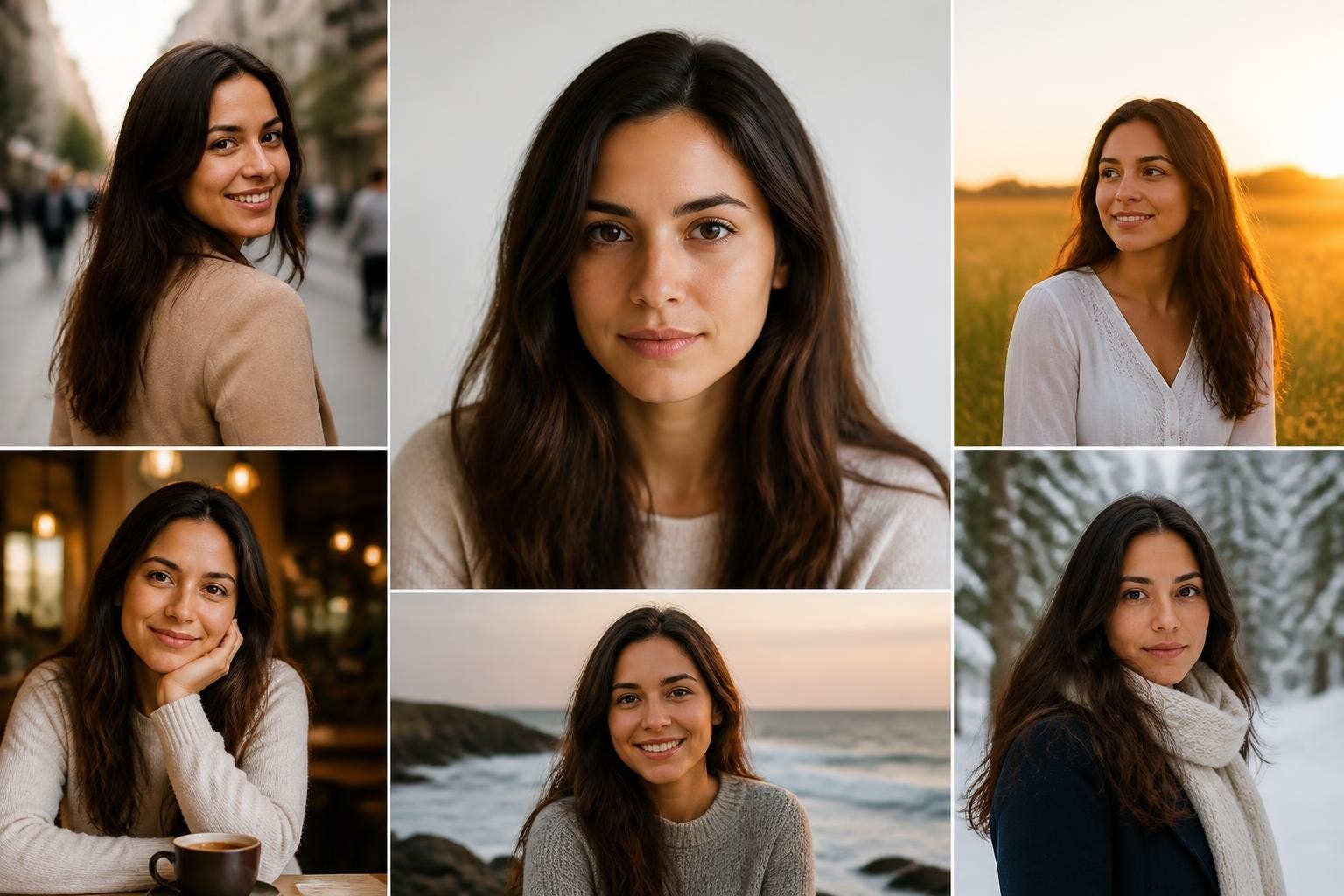
When you search "ia create image," you're looking for answers about how artificial intelligence transforms your reference photos into realistic images across different scenes and environments. In 2026, AI image generation has evolved from experimental technology into practical tools that preserve your exact likeness while placing you in contexts you've never physically experienced. This guide explains how modern image generation works, what distinguishes quality AI photos from generic outputs, and how to evaluate services that claim to create images that truly look like you.
Understanding How IA Create Image Technology Works
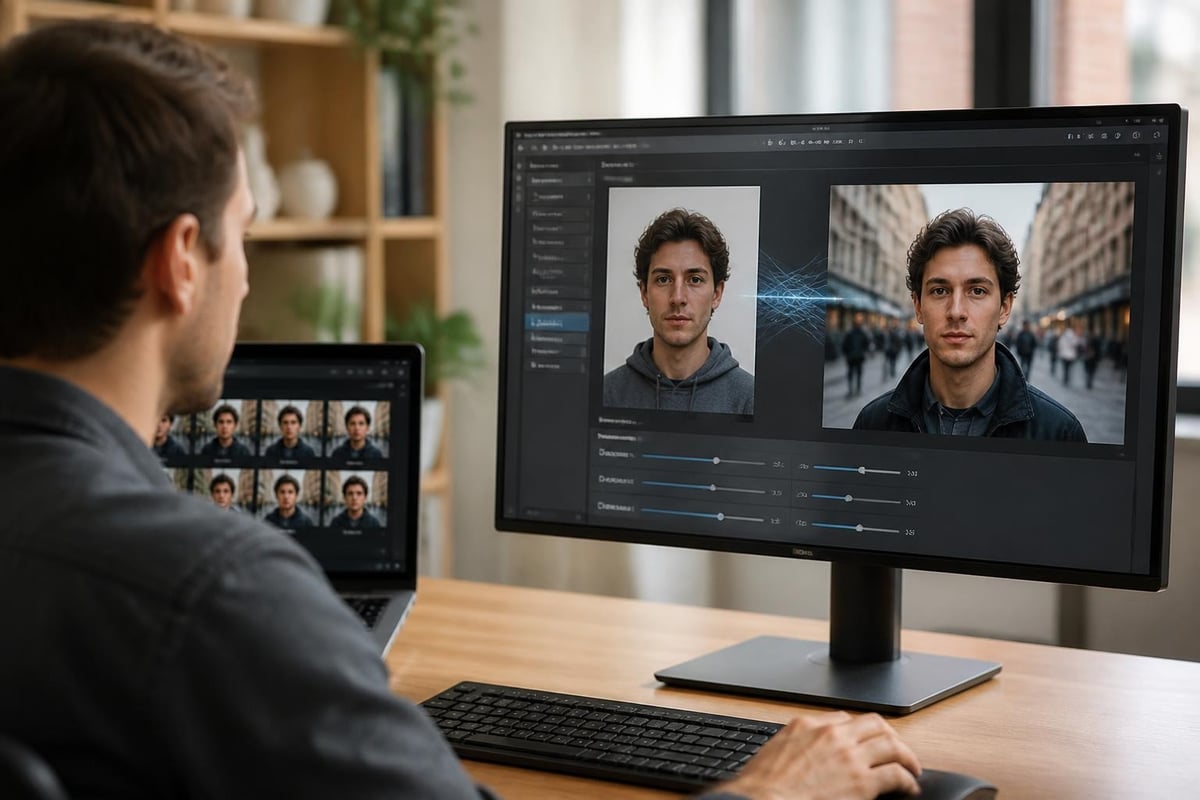
The foundation of modern AI image generation rests on diffusion models, a class of machine learning architectures that have largely replaced earlier approaches. When you use an IA create image service, the system processes your reference photos through multiple stages to understand and replicate your unique features.
The Diffusion Process Explained
Diffusion models work by learning to reverse a noise-adding process. During training, the model learns how images gradually become pure noise, then masters the reverse process: turning noise back into coherent images. Research on diffusion model creativity shows these systems don't simply copy training data but learn underlying patterns that enable novel image synthesis.
When you upload reference photos, the service extracts features specific to you:
- Facial structure and proportions
- Skin texture and tone
- Eye color and shape
- Hair characteristics
- Distinctive features (freckles, dimples, bone structure)
The model then conditions the generation process on these features, ensuring output images maintain your identity while adapting to new contexts.
Latent Space and Feature Preservation
Most advanced IA create image systems operate in latent space, a compressed representation of image information. Instead of manipulating millions of pixels directly, the model works with condensed feature vectors that encode essential visual information. This approach offers several advantages:
| Aspect | Direct Pixel Manipulation | Latent Space Processing |
|---|---|---|
| Computational efficiency | Slow, resource-intensive | Fast, optimized |
| Feature control | Limited precision | Fine-grained control |
| Identity preservation | Inconsistent results | Stable likeness |
| Scene adaptation | Challenging | Seamless integration |
This technical architecture explains why quality services can place you in hundreds of different scenarios while maintaining recognizable consistency, something that would be impossible with simpler image editing approaches.
What Makes IA Create Image Different From Generic AI Photos
Not all AI-generated images maintain the same fidelity to source material. When evaluating an IA create image service, understanding the distinction between generic AI portraits and personalized image generation becomes critical.
Generic AI Generation vs. Personalized Systems
Generic text-to-image models like DALL-E or Midjourney create images from text descriptions alone. They produce novel faces based on patterns learned from millions of training images, but those faces belong to no real person. A comprehensive survey of text-to-image generation explores these systems' capabilities and limitations in detail.
Personalized IA create image services add a crucial step: identity injection. The model learns your specific facial features from reference photos, then conditions all subsequent generations on that learned identity. This process differs fundamentally from simply describing a person in text.
Consider how CMeIn approaches this challenge. Rather than generating a generic "professional headshot" or "travel photo," the service maintains your exact likeness across varied scenes. Your face stays yours, with no retouching that alters your fundamental appearance. This consistency matters whether you're building AI dating photos or professional portraits.
The Technical Challenge of Likeness Preservation
Maintaining identity across different poses, lighting conditions, and environments requires sophisticated model training. The system must learn which features define your identity (and must remain constant) versus which elements can adapt to context (lighting, angle, background).
Three key technical components enable this:
- Identity embedding networks that encode your unique features into a mathematical representation
- Cross-attention mechanisms that ensure generated images reference your identity embedding throughout the creation process
- Consistency regularization that penalizes outputs deviating from your established appearance
Microsoft Research's work on multimodal image generation demonstrates how combining different input modalities (reference images plus contextual instructions) produces more controllable and consistent outputs than either input type alone.
Practical Applications: Where IA Create Image Adds Value
Understanding the technology matters less than knowing when and how to apply it effectively. Different use cases demand different approaches to AI image generation.
Professional Contexts
Professional headshots require studio-quality results without studio costs or scheduling. When you need a clean, professional image quickly, an IA create image service can generate appropriate options from a single casual photo.
The CMeIn headshot service exemplifies this application. Upload a reference photo, select your preferred background and pose, and receive a polished head-and-shoulders portrait. The output preserves your face, skin, and even clothing while providing the clean studio backdrop professional contexts demand.
This approach particularly benefits professionals who need updated headshots frequently or require variations for different platforms without repeated photo sessions.
Social and Dating Profiles
Social media and dating platforms increasingly become the first impression you make. Quality photos directly impact engagement, but hiring photographers for multiple scene types proves expensive and time-consuming.
IA create image technology addresses this by generating varied, authentic-looking photos from your reference images. The examples demonstrate how the same person appears naturally across different environments: outdoor settings, social situations, travel contexts, and casual moments.
For dating specifically, authenticity matters more than perfection. People want to see what you actually look like in realistic situations, not retouched glamour shots. Services focused on dating applications understand this distinction, generating images that represent you accurately while presenting you in favorable contexts.
Content Creation and Personal Branding
Bloggers, influencers, and online entrepreneurs need consistent visual content. Traditional photography can't scale to meet daily or weekly content demands, but generic stock photos lack personal connection.
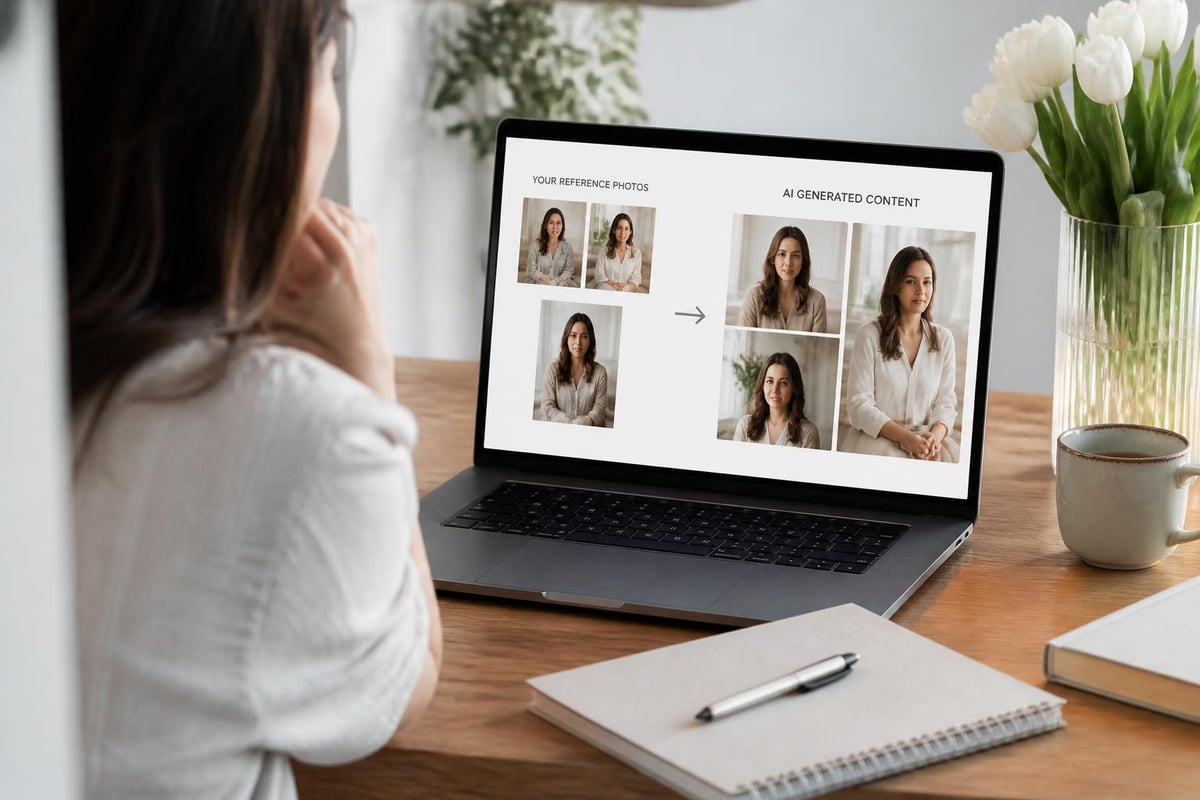
IA create image services fill this gap by generating on-brand images featuring you across scenarios relevant to your content. A travel blogger can appear in destinations they're writing about. A business coach can have appropriate images for different topic areas. The consistency of likeness across images reinforces personal brand recognition.
Just as ecommerce entrepreneurs in communities like Talk Shop optimize product photography for conversion, content creators benefit from optimized personal imagery that builds trust and recognition across platforms.
Evaluating Quality: How to Judge IA Create Image Outputs
Not all AI-generated images meet professional standards. Recognizing quality differences helps you choose appropriate services and identify outputs that truly represent you.
Technical Quality Indicators
Several technical factors separate professional-grade AI images from amateur outputs:
- Resolution and clarity: Professional services output high-resolution images (typically 1024×1024 pixels minimum) with sharp details
- Lighting consistency: Realistic light and shadow that match the scene context
- Artifact-free rendering: No visible distortions, blur patches, or unrealistic elements
- Natural skin texture: Preserved pores, natural texture, realistic skin tone
- Anatomical accuracy: Proper proportions, realistic hand and eye rendering
Verifiable evaluation methods for text-to-image generation provide frameworks for systematically assessing these quality dimensions beyond subjective judgment.
Identity Consistency Tests
The core promise of personalized IA create image services is maintaining your likeness. Test this claim by examining multiple outputs:
| Test | What to Check | Red Flag |
|---|---|---|
| Feature consistency | Same eye color, nose shape, facial structure | Features change between images |
| Age consistency | Apparent age matches across outputs | Some images look significantly older/younger |
| Distinctive markers | Moles, freckles, scars appear consistently | Markers appear and disappear randomly |
| Expression range | Different expressions still look like you | Only one expression looks accurate |
Quality services maintain these elements across hundreds of generated images. Inconsistency suggests the model hasn't properly learned your identity and is instead blending your features with training data patterns.
Technical Evolution: Where IA Create Image Is Heading
The field continues advancing rapidly. Understanding trajectory helps set realistic expectations and identify genuinely innovative services.
Current Limitations and Active Research
Despite impressive capabilities, current IA create image technology faces several challenges. IEEE's comprehensive survey on diffusion models catalogs both achievements and remaining obstacles:
Computational cost: High-quality generation still requires significant processing power, limiting real-time applications and increasing service costs.
Fine detail control: While overall composition and identity preservation work well, controlling specific fine details (exact hand positions, precise facial expressions) remains challenging.
Multi-person scenes: Generating realistic scenes with multiple people, each maintaining distinct identities, pushes current model capabilities.
Temporal consistency: Creating video or image sequences where you move naturally while maintaining perfect likeness requires advances beyond current diffusion architectures.
Emerging Capabilities in 2026
Recent developments expand what IA create image services can reliably deliver:
- Context-aware generation that understands scene semantics and places you appropriately within complex environments
- Style transfer while preserving identity allowing your likeness to appear in artistic styles without losing recognizability
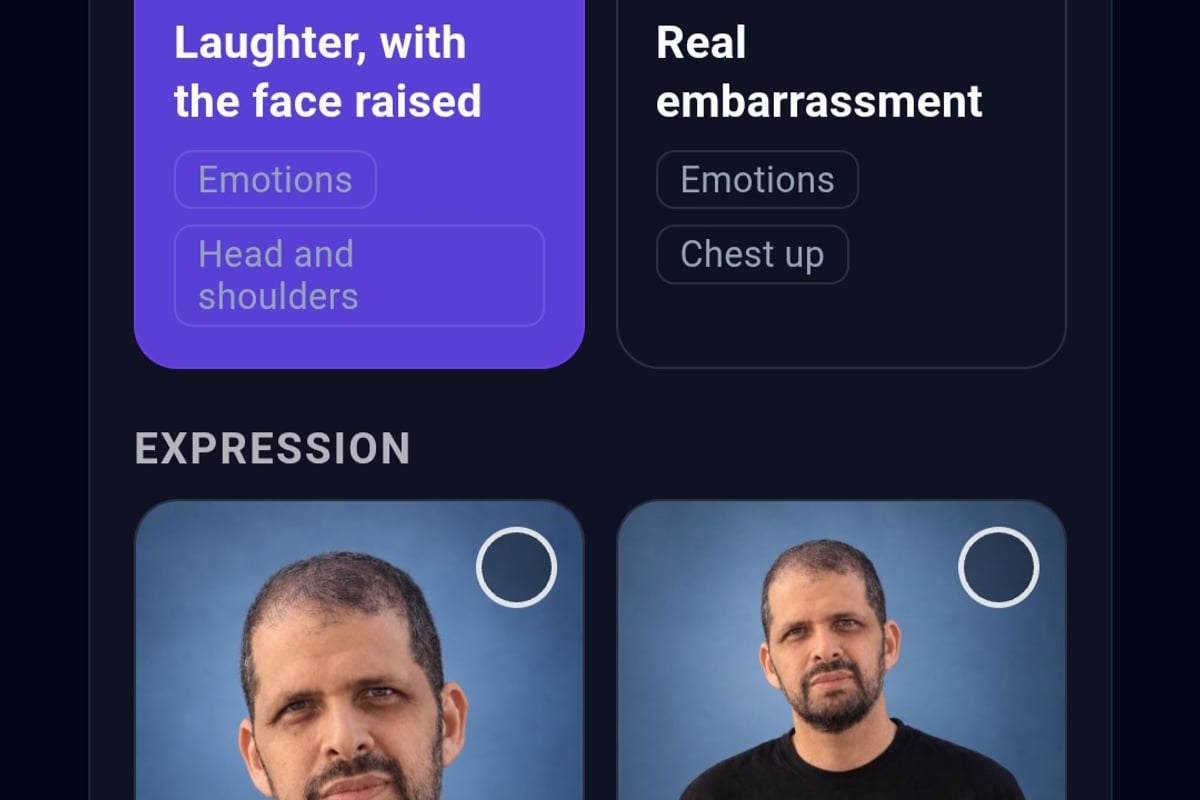
- Pose and expression control giving users fine-grained control over body language and facial expressions
- Multi-reference synthesis combining features from several photos to capture your appearance more completely
Mozilla's educational guide on image models offers accessible explanations of these advancing capabilities and their technical foundations.
Ethical and Legal Considerations
Using IA create image technology responsibly requires understanding the ethical and legal landscape surrounding AI-generated imagery.
Copyright and Ownership Questions
Who owns AI-generated images of you? This seemingly simple question involves complex intersections of copyright law, personality rights, and licensing agreements. The U.S. Copyright Office guidance on AI addresses some questions while leaving others unresolved.
Current legal consensus suggests:
- You own rights to your reference photos
- The service provider's terms determine rights to generated outputs
- Commercial use requires clear licensing arrangements
- Training data copyright remains a developing legal area
Always review terms of service carefully. Quality services like CMeIn clearly specify that generated images belong to you for your use, while some platforms retain broader rights over outputs.
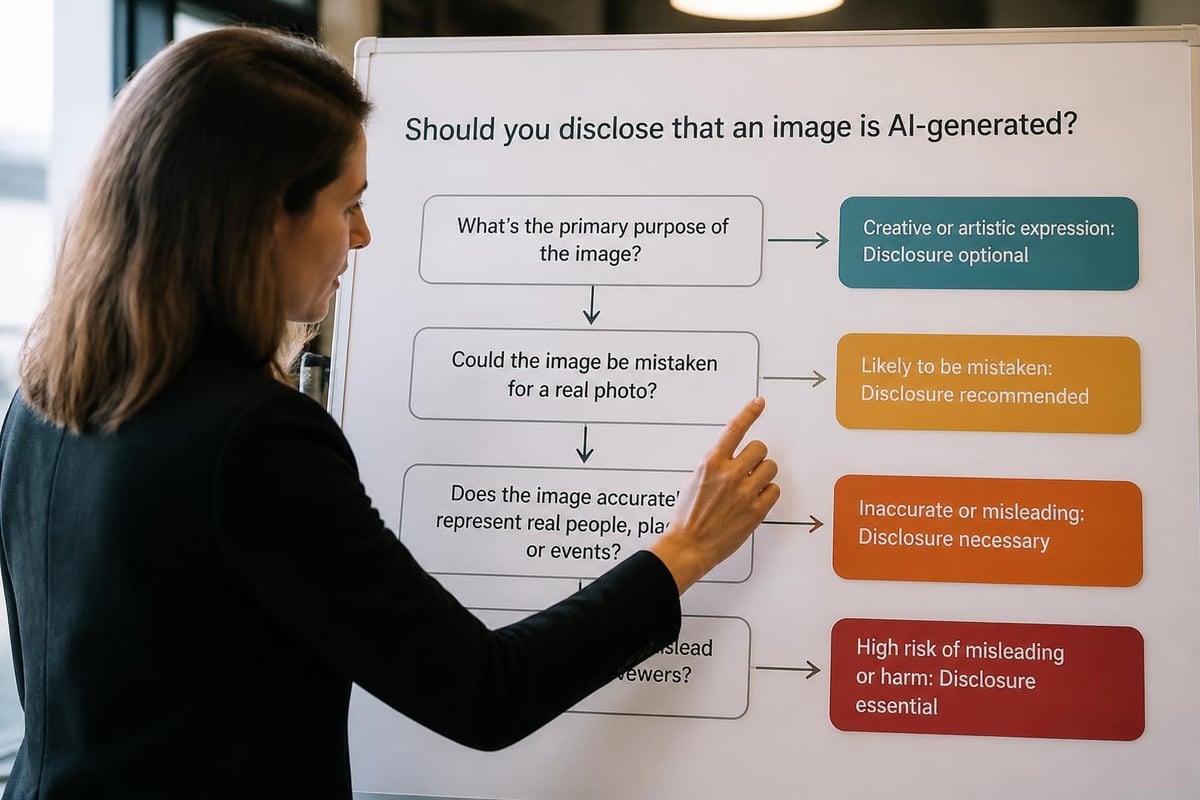
Authenticity and Disclosure
When should you disclose that photos are AI-generated? Context matters significantly. Research on ethical issues in AI-generated imagery examines harms from misleading AI images and suggests disclosure standards.
Professional contexts generally require authenticity. A headshot representing you at work should actually depict you, though whether it's AI-generated versus traditionally photographed may be immaterial if the likeness is accurate.
Social and dating contexts involve different considerations. If photos accurately represent your current appearance in realistic scenarios, the generation method matters less than authenticity to your actual appearance. Deception occurs when images misrepresent how you look, regardless of whether they're AI-generated, heavily edited traditional photos, or outdated images.
For content marketing, transparency builds trust. Similar to how Stately Members Club provides realtors with professional marketing resources that maintain brand authenticity, AI-generated personal imagery should support rather than undermine your authentic presentation.
Data Privacy and Security
When you upload reference photos to an IA create image service, you're sharing biometric data. Understanding how services handle this information protects your privacy:
- Data retention policies: How long does the service keep your photos?
- Training data usage: Will your images train future model versions?
- Access controls: Who can view or access your reference photos?
- Deletion capabilities: Can you fully remove your data from their systems?
Reputable services clearly document these policies. CMeIn's approach focuses on generating photos that look like you without retaining your data beyond service delivery, respecting the sensitive nature of facial biometric information.
Choosing the Right IA Create Image Service
Dozens of services offer AI image generation, but capabilities vary dramatically. Making informed choices requires understanding what differentiates professional tools from novelty apps.
Evaluation Criteria
When comparing IA create image options, assess these dimensions:
Identity preservation quality: Request sample outputs showing the same person across multiple scenes. Consistency indicates robust identity modeling.
Scene variety and realism: Evaluate whether generated scenes look natural or artificial. Realistic lighting, appropriate backgrounds, and natural integration of your likeness into scenes separate professional services from basic tools.
Resolution and technical quality: Ensure outputs meet your needs. Social media accepts lower resolutions than print materials or professional websites.
Pricing transparency: Clear, understandable pricing models versus hidden costs or subscription traps. Check pricing details carefully.
Use rights: Verify you receive appropriate usage rights for your intended purpose.
Specialized vs. General-Purpose Services
General text-to-image platforms like Midjourney or DALL-E offer impressive capabilities but lack personalized identity preservation. Specialized services focusing on maintaining your likeness across generated images serve different needs.
The AI headshot generator category specifically illustrates this distinction. Generic AI can create professional-looking headshots of fictional people, but only personalized services generate headshots that actually look like you.
Consider your specific requirements. Need varied dating profile photos? Services specializing in AI dating photos understand that context's specific needs. Require professional LinkedIn imagery? Services focused on AI LinkedIn photos optimize for that platform's conventions and expectations.
Real-World Results: What to Expect
Setting realistic expectations prevents disappointment and helps you evaluate whether IA create image technology suits your needs.
Timeline and Process
Typical workflows involve several steps:
- Reference photo upload (1-5 minutes): Select and upload clear photos showing your face from multiple angles
- Model training (15 minutes to several hours): The service trains or fine-tunes a model on your specific features
- Generation (seconds to minutes per image): Create individual images in selected scenes or contexts
- Selection and refinement (5-30 minutes): Review outputs, select favorites, request variations if needed
Total time from starting to having usable images typically ranges from 30 minutes to a few hours, depending on service architecture and whether generation happens on-demand or batch-processed.
Output Expectations
Understanding realistic output quality helps you evaluate services accurately:
Best-case scenarios: Clean, professional images that genuinely look like you in contexts you specify. Natural lighting, realistic integration, no obvious artifacts.
Typical results: Generally good likeness with occasional minor artifacts (slight background inconsistencies, edge blending issues). Usable outputs after selecting best images from multiple generations.
Problem cases: Services struggling with consistent identity preservation, obvious artificial elements, or unrealistic scene integration indicate inadequate technology or insufficient model training.
Quality services achieve best-case results consistently. If you're finding that only a small percentage of outputs meet standards, the service likely can't deliver on its promises.
Improvement Strategies
Maximizing output quality often involves optimizing your inputs:
- Reference photo quality: Clear, well-lit photos showing your face completely produce better results than dim, partially obscured, or heavily filtered source images
- Multiple angles: Providing front-facing, profile, and three-quarter views helps models learn your three-dimensional facial structure
- Consistent appearance: Recent photos showing your current appearance generate more accurate results than mixing photos across different ages or styles
- Clear instructions: When requesting specific scenes or contexts, detailed descriptions improve output relevance
Services vary in how much they guide users through optimization. Better platforms provide clear guidance on reference photo requirements and scene specification.
AI image generation technology has matured from experimental novelty into practical tools that serve real needs, from professional headshots to authentic social media presence. The key is finding services that prioritize likeness preservation over generic AI artistry, delivering images that genuinely represent you across whatever contexts matter to your goals. CMeIn specializes in exactly this challenge: generating realistic AI photos that look exactly like you using your reference photos, creating images for dating profiles, social media, travel contexts, and professional needs without retouching away what makes you recognizably yourself.