Photo Packs: Everything You Need to Know in 2026
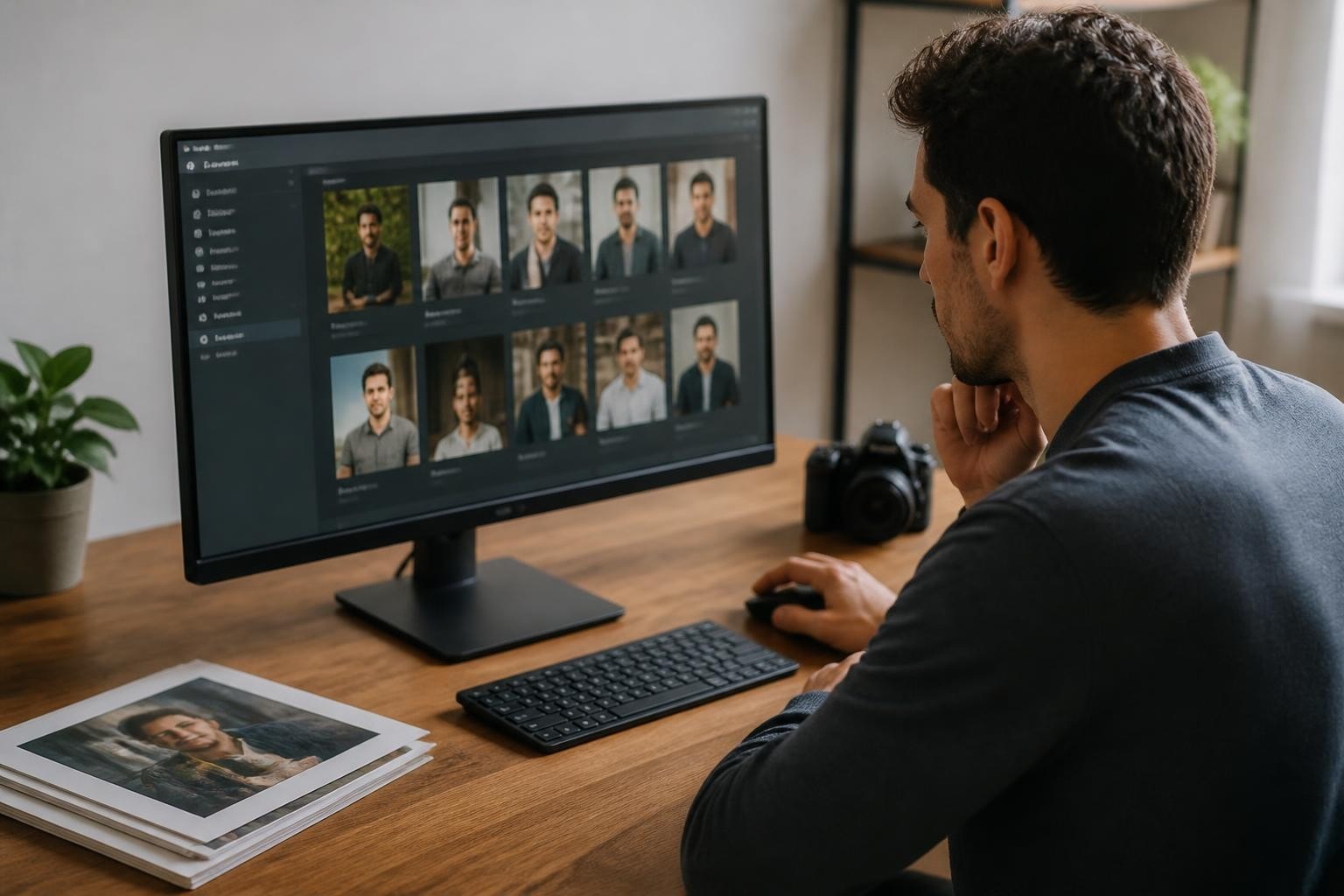
Photo packs have evolved from simple ZIP files of images into sophisticated digital products that power everything from marketing campaigns to personal branding. Whether you're a content creator building a portfolio, a professional updating your LinkedIn presence, or someone refreshing your dating profile, understanding how photo packs work helps you make informed decisions about quality, licensing, and value. In 2026, the intersection of AI-generated imagery and traditional photography has transformed what a photo pack can deliver, opening new possibilities for customization while raising important questions about metadata, rights management, and authentic representation.
What Defines a Modern Photo Pack
A photo pack is a curated collection of images bundled together for a specific purpose, market segment, or creative theme. Unlike individual stock photos, photo packs offer coherent visual storytelling across multiple images that share stylistic consistency, color palettes, or subject matter.
The structure of photo packs varies significantly based on their intended use:
- Themed collections organized around seasons, locations, or activities
- Brand-specific bundles maintaining consistent visual identity across assets
- Resolution tiers offering the same images in web, print, and high-resolution formats
- License-differentiated packages separating personal, commercial, and enterprise rights
Modern photo packs typically include between 10 and 100 images, though specialized collections may contain fewer high-value shots or larger archives for enterprise clients. The defining characteristic isn't quantity but coherence. Each image should complement the others, creating a toolkit rather than a random assortment.
Format and Technical Specifications
Professional photo packs ship with multiple file formats to accommodate different workflows. JPEG remains the standard for broad compatibility, but optimized image formats like WebP and AVIF are increasingly common for web-focused bundles that prioritize performance without sacrificing quality.
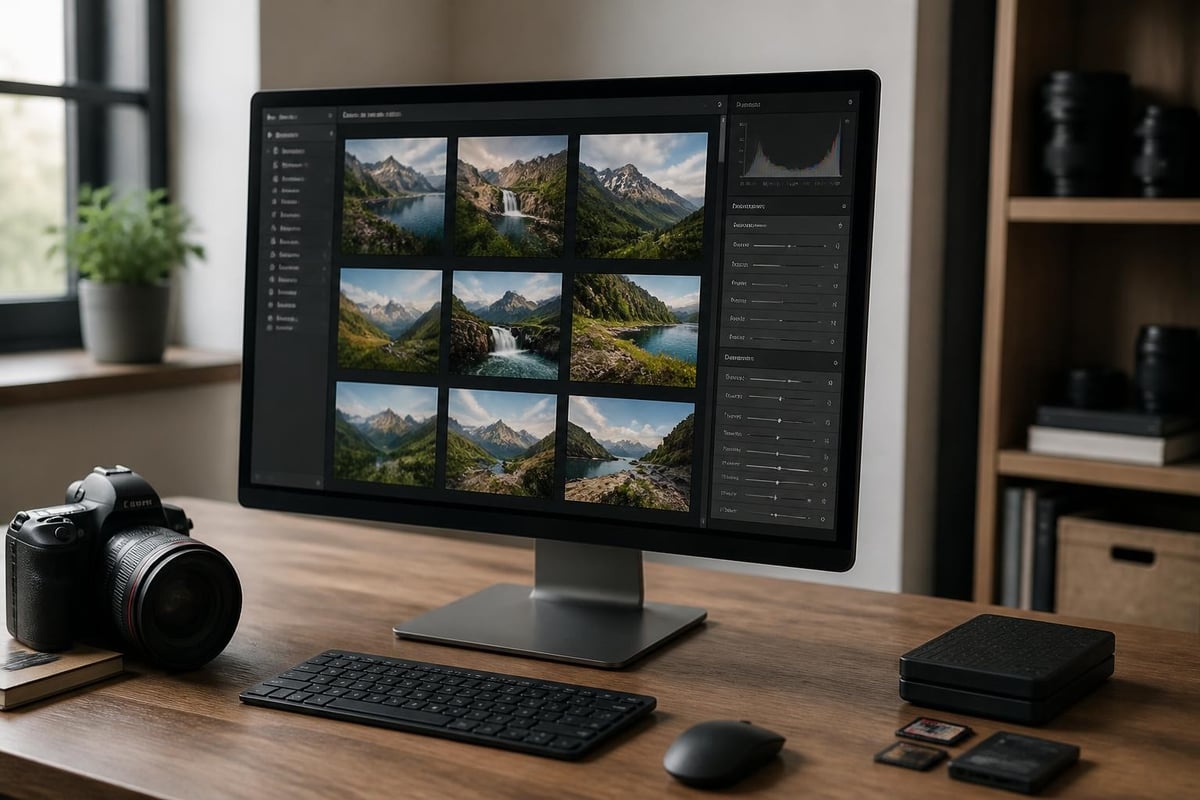
Metadata embedded in each file carries critical information about licensing, usage rights, and attribution. The IPTC Photo Metadata Standard defines fields for copyright notices, creator information, keywords, and captions that travel with the image regardless of where it's downloaded or shared.
| Format | Use Case | File Size (Avg) | Browser Support |
|---|---|---|---|
| JPEG | Universal compatibility | 2-5 MB | 100% |
| PNG | Transparency needed | 4-10 MB | 100% |
| WebP | Web optimization | 1-3 MB | 97%+ |
| AVIF | Next-gen compression | 0.8-2 MB | 85%+ |
Licensing Models That Shape Photo Packs
Understanding licensing is fundamental to both creating and purchasing photo packs. The terms embedded in a pack determine where, how, and how long images can be used, directly affecting their value and application.
Royalty-free licensing dominates the photo pack market. Buyers pay once and use images according to the license terms without additional payments per use or impression. This model works well for social media profiles, blogs, and marketing materials where usage frequency is unpredictable. However, royalty-free doesn't mean copyright-free; restrictions on redistribution, resale, and certain commercial applications typically apply.
Rights-managed licensing charges based on specific usage parameters such as duration, geographic territory, media type, and print run. While less common in consumer photo packs, this model appears in professional photography bundles where exclusivity and controlled distribution matter.
For creators considering how to license their own photo packs, the Creative Commons chooser offers structured options from fully open (CC0) to attribution-required (CC BY) frameworks. If you plan to register collections formally, the U.S. Copyright Office guidance on photographs explains group registration processes that can protect entire packs under a single filing.
Usage Rights and Restrictions
Even within royalty-free packs, specific restrictions shape what's permissible:
- Model and property releases determine whether images can be used commercially
- Editorial versus commercial designation separates news/commentary use from promotional applications
- Derivative work permissions clarify whether AI transformation or heavy editing is allowed
- Resale prohibitions prevent repackaging and redistribution as new products
- Attribution requirements specify whether credit must be given
The ASMP legal guide provides comprehensive frameworks photographers use when structuring license terms for bundled image products.
AI-Generated Photo Packs: The 2026 Reality
AI-generated imagery has fundamentally reshaped what photo packs can deliver. Rather than selecting from existing photographs shot by traditional photographers, users can now commission packs tailored to their exact appearance, preferred settings, and use cases.
Services like CMeIn create photo packs by transforming reference selfies into realistic AI-generated scenes. Upload a few photos of yourself, select from thousands of scenarios, and receive a coordinated pack showing you in professional settings, outdoor adventures, or social situations. Each image maintains your true likeness while placing you in contexts you may never have physically visited or had professionally photographed.
This approach solves several problems traditional photo packs couldn't address. Someone building dating profile photos that feel authentic can generate a diverse pack showing different activities and settings without scheduling multiple photoshoots. Professionals needing AI-generated LinkedIn photos can create a pack of headshots and workplace images with consistent lighting and styling.
When selecting AI-generated photo packs, the key differentiator is likeness preservation. Lower-quality services produce generic faces that don't match your actual appearance. Professional platforms keep your facial features, skin tone, and distinctive characteristics intact while changing only the context, clothing, or background.
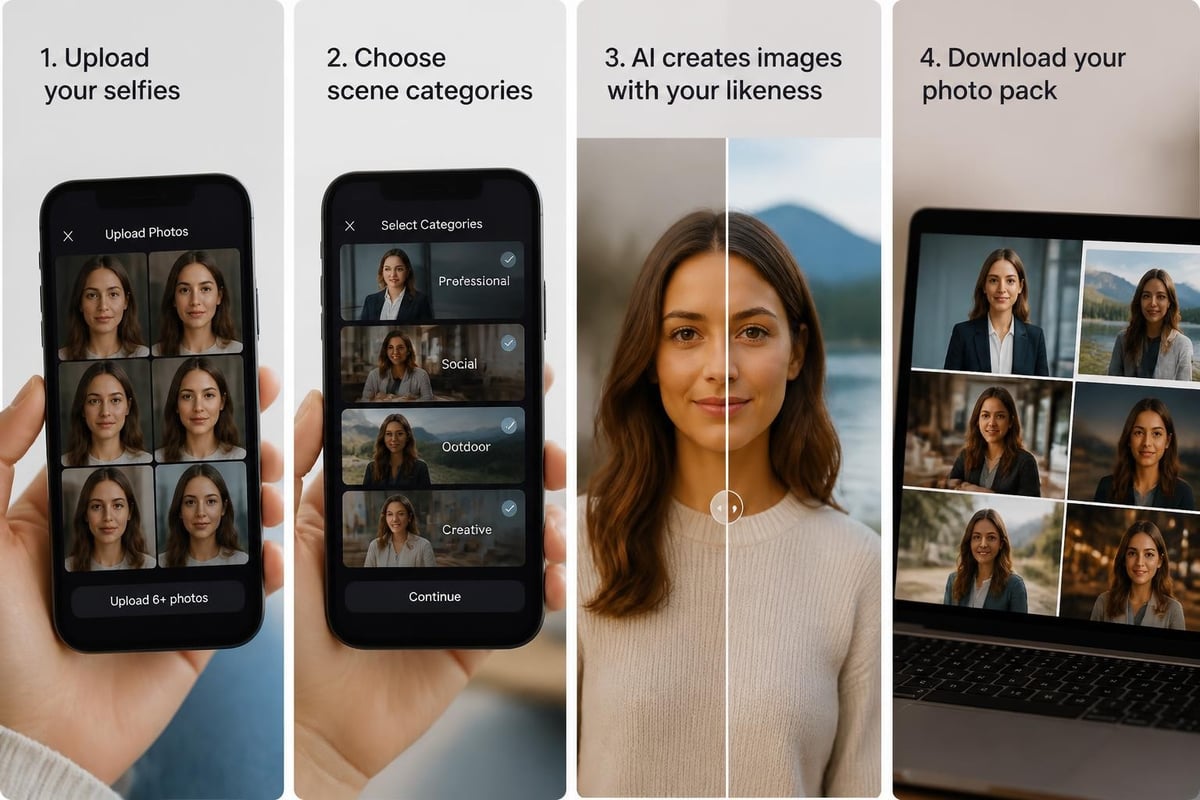
For anyone wondering how to make AI photos look real, the answer lies in starting with high-quality reference images and choosing services that prioritize authenticity over fantasy. The most effective packs feel like photographs of genuine moments rather than obvious composites.

Optimizing Photo Packs for Discoverability
Creating or purchasing a photo pack is only half the equation. Making those images discoverable, whether in your own asset library, on marketplaces, or across web platforms, requires strategic optimization.
File naming conventions form the foundation. Replace camera-generated filenames like "IMG_4729.jpg" with descriptive names such as "woman-professional-headshot-navy-blazer.jpg" that communicate content at a glance. This practice helps both human organization and search engine indexing, as Google's image search guidance confirms filename relevance in ranking algorithms.
Metadata Strategy for Photo Packs
Embedded metadata transforms individual images into searchable, rights-managed assets. Following the IPTC Photo Metadata User Guide ensures consistency across your pack:
- Title field: Brief, descriptive name for each image
- Keywords: 10-20 relevant terms describing subject, style, mood, and use case
- Caption: One-sentence description providing context
- Copyright notice: Clear rights statement and year
- Creator: Photographer or AI service attribution
- Usage terms: Link to license or rights document
For batch processing metadata across an entire pack, ExifTool provides command-line capabilities to read, write, and modify EXIF, IPTC, and XMP fields across hundreds of images simultaneously. This efficiency is essential when preparing professional packs for distribution.
Alt text deserves special attention. While technically a web implementation detail rather than embedded metadata, alt text dramatically affects both accessibility and SEO. Yoast's comprehensive image SEO guide emphasizes writing alt text that describes image content concretely while incorporating relevant keywords naturally.
Packaging and Pricing Strategies
How you bundle images into packs affects both perceived value and practical utility. The psychology of bundles, as explored by the Content Marketing Institute, reveals that customers prefer coherent collections over arbitrary groupings of the same size.
Thematic coherence increases pack value. A 20-image pack of "autumn lifestyle portraits" commands higher prices than 20 random seasonal images because buyers can envision using the entire collection for a single project or campaign. This coherence extends to visual consistency in lighting, color grading, and compositional style.
Common packaging approaches include:
- Starter packs (10-15 images) at accessible price points for individual users
- Professional collections (30-50 images) targeting content creators and small businesses
- Enterprise libraries (100+ images) with extended licensing for agencies and large organizations
- Subscription models delivering new packs monthly rather than one-time purchases
Tiered pricing based on resolution and license scope maximizes revenue across different customer segments. A web-resolution pack with personal-use licensing might sell for $29, while the same images at print resolution with commercial licensing command $199.
Distribution Channels and Marketplaces
Where you sell photo packs shapes both pricing expectations and required technical specifications:
| Channel | Typical Commission | Image Requirements | Best For |
|---|---|---|---|
| Own website | 0% (payment processing only) | Flexible | Brand building, recurring customers |
| Adobe Stock | 33-35% | High resolution, strict quality | Maximum reach |
| Creative Market | 30% | Medium-high resolution | Creative professionals |
| Etsy | ~5% + listing fees | Flexible | Lifestyle and themed packs |
| Gumroad | 10% + fees | Flexible | Direct sales, digital products |
When selling through your own platform, partnering with a development team like CollectDev can create custom e-commerce experiences with preview galleries, license selection interfaces, and automated delivery systems that enhance the buyer experience while maintaining brand control.
Quality Control and Technical Standards
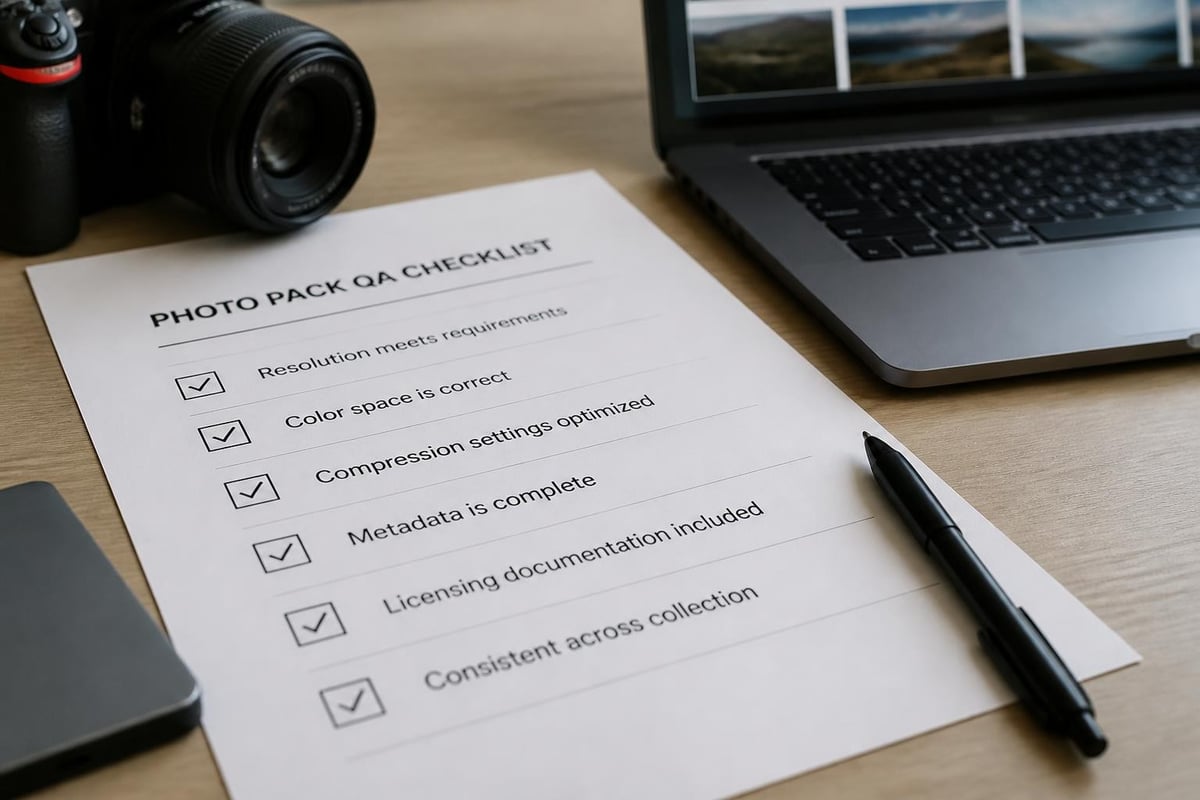
Professional photo packs maintain consistent technical quality across every image. This consistency matters more than individual peak quality because buyers use packs as coordinated sets rather than cherry-picking single standouts.
Resolution standards should align with intended use:
- Web-optimized packs: 1920×1080px to 2560×1440px at 72-96 DPI
- Print-ready collections: 3000×2000px minimum at 300 DPI
- Professional archives: 4000×6000px or larger for maximum flexibility
Color space selection affects how images appear across devices and media. sRGB offers the widest compatibility for web and social media use, while Adobe RGB or ProPhoto RGB preserve greater color information for print applications. Including both color spaces in premium packs accommodates diverse workflows.
Compression settings balance file size against image quality. For JPEG files, quality settings between 85-95 on the standard 0-100 scale preserve detail while keeping files manageable. Going below 80 introduces visible artifacts that diminish professional perception.
Use Cases Driving Photo Pack Demand
Understanding who buys photo packs and why helps creators design collections that solve real problems rather than simply assembling pretty images.
Content marketers purchase themed packs for blog posts, email campaigns, and social media that require visual consistency across multiple touchpoints. A 30-image pack of "remote work lifestyle" photos might support three months of content with cohesive visual identity.
Dating app users represent a growing segment seeking coordinated profile images. Rather than mixing selfies, old vacation shots, and random social photos, users want packs showing varied activities and settings with consistent quality. Understanding what makes effective dating photos helps position packs for this market.
Small business owners need professional imagery for websites, social media, and marketing materials without ongoing photography expenses. Packs focused on specific industries (restaurants, fitness, professional services) provide ready-made visual content aligned with brand messaging.
Social media influencers purchase lifestyle packs that match their personal brand aesthetic. A fashion influencer might buy coordinated outfit photos shot in various urban settings, while a wellness creator seeks packs of yoga, meditation, and healthy eating scenarios.
The most successful photo packs anticipate specific workflows and pain points within these segments rather than offering generic "beautiful images."
Building Authentic AI-Generated Packs
As AI-generated imagery becomes mainstream, authenticity separates professional packs from low-effort collections. The challenge isn't technical capability-most modern AI can generate photorealistic images-but rather maintaining consistency in facial features, styling choices, and contextual realism across an entire pack.
Start with high-quality reference photos showing your face clearly from multiple angles in good lighting. The AI model's ability to preserve your likeness across different generated scenes depends entirely on the clarity and consistency of these reference inputs.
Select scenes that serve a coherent narrative. A professional pack might include office environments, coffee shop meetings, conference settings, and business casual outdoor shots. A dating profile pack could show hobbies, social situations, travel moments, and relaxed portraits. The thread connecting images should feel intentional rather than random.
Pay attention to clothing consistency. If your generated pack shows you in business attire, ensure formality levels remain appropriate across scenes. If one image shows casual weekend wear, other casual images should align with that style sensibility. Services offering style guidance for photo types help maintain this coherence.
Lighting and color grading should feel unified. Packs where some images have warm golden-hour lighting while others use cool fluorescent tones feel disjointed. Professional packs maintain tonal consistency that suggests all images came from related photoshoots even when depicting different locations.
Future Directions for Photo Packs
The photo pack market continues evolving as technology and user expectations shift. Several trends are reshaping how packs are created, distributed, and valued in 2026 and beyond.
Personalization at scale powered by AI allows buyers to customize packs to their exact specifications. Rather than purchasing pre-made collections, users input preferences for settings, clothing styles, and activities, then receive unique packs generated specifically for them. This shift transforms photo packs from static products into dynamic services.
Integration with digital workflows means packs increasingly ship with more than just image files. Accompanying Photoshop templates, Canva presets, social media caption templates, and usage guides add value by accelerating implementation. The pack becomes a complete content solution rather than raw materials.
Subscription models replace one-time purchases for users needing fresh imagery regularly. Monthly or quarterly pack deliveries keep content libraries current while building predictable revenue for creators. The subscription approach works particularly well for social media managers and content marketers who consume images quickly.
Blockchain verification may address authenticity concerns, particularly around AI-generated content. Embedding verifiable provenance data directly into image files helps buyers confirm whether images are AI-generated, traditionally photographed, or hybrid creations, increasing transparency in the marketplace.
The shift from treating photo packs as commodity products to viewing them as specialized solutions drives premium pricing for collections that solve specific problems exceptionally well.
Photo packs have matured from simple image bundles into sophisticated digital products serving diverse needs across personal branding, content marketing, and professional communication. Understanding licensing, optimization, and quality standards helps you select or create packs that deliver real value rather than merely adding to digital clutter. If you need personalized images that maintain your true likeness across multiple professional or social scenarios, CMeIn transforms your reference photos into realistic AI-generated photo packs tailored to your specific needs, from dating profiles to business headshots, all while keeping your face exactly as it appears in real life.