AI Make Images: How Technology Creates Realistic Photos
The ability to ai make images has transformed from a technical curiosity into a practical tool that millions of people use daily. In 2026, artificial intelligence doesn't just assist photographers or graphic designers; it creates entirely new photographs that look indistinguishable from those captured by cameras. Understanding how these systems work, what makes them effective, and where they excel helps you make informed decisions about using AI-generated photos for professional headshots, dating profiles, social media presence, and business applications.
The Core Technology Behind How AI Make Images
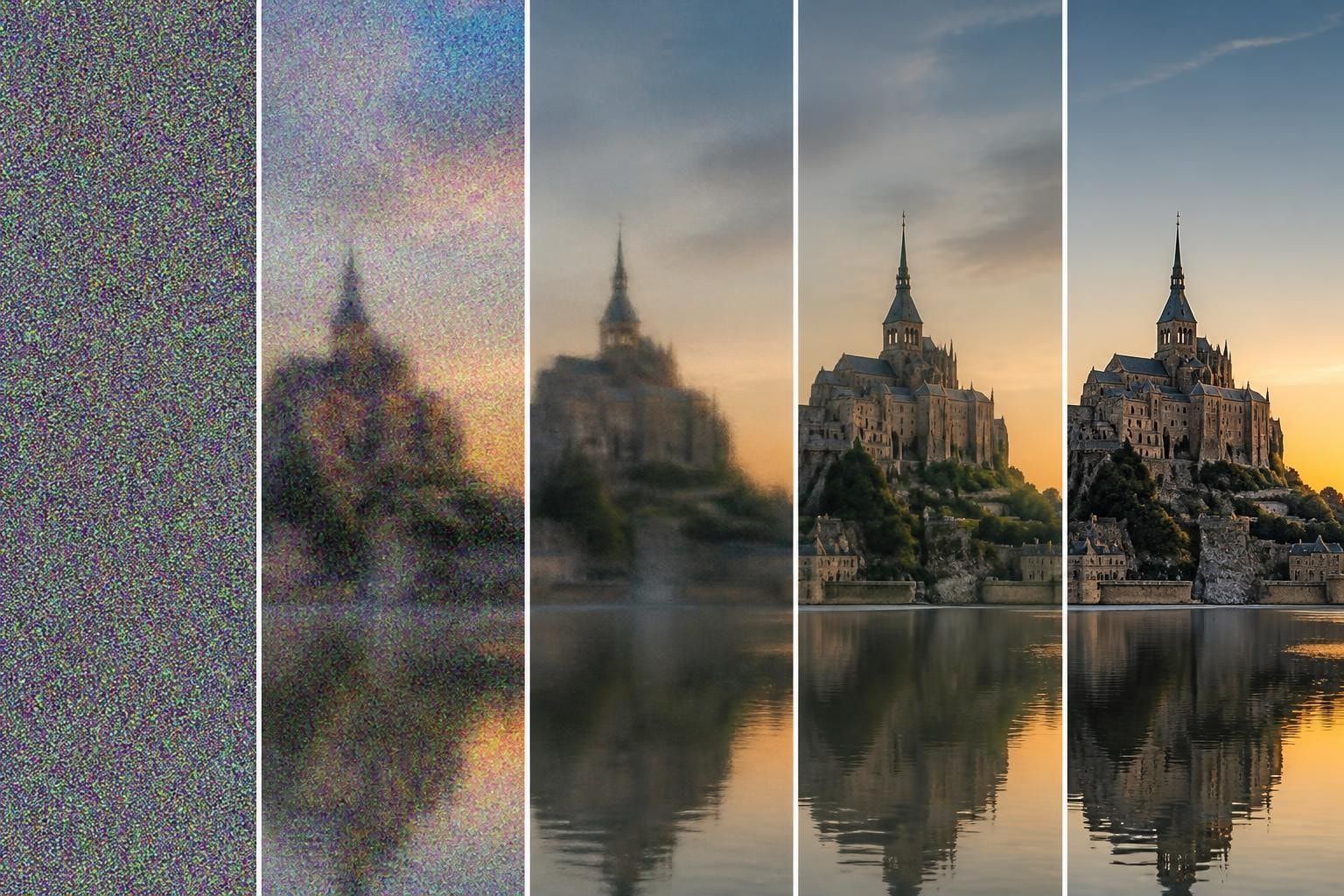
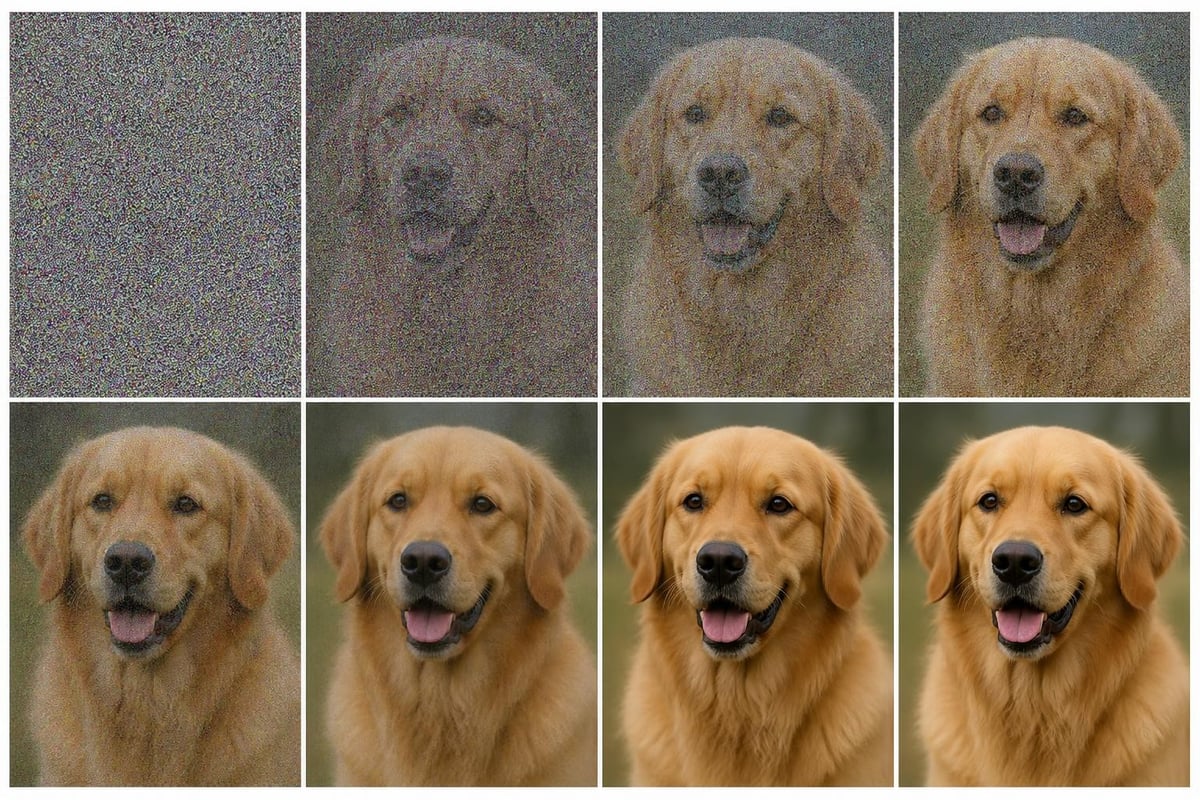
Modern image generation relies primarily on diffusion models, a class of machine learning systems that learn to reverse a gradual noise-adding process. Diffusion models work by training on millions of images, learning to recognize patterns at every level from basic shapes to complex textures and lighting conditions.
The process starts with pure random noise. The AI applies its learned knowledge in reverse, progressively removing noise while building coherent structure. Each step refines details, adds consistency, and moves closer to a realistic photograph. This iterative refinement allows the system to generate images with remarkable detail and photographic quality.
Training Data and Pattern Recognition
AI systems learn what makes images realistic by studying reference material. They identify correlations between text descriptions and visual elements, understanding that "golden hour lighting" corresponds to warm tones and long shadows, or that "professional headshot" implies specific framing, focus, and background choices.
The quality of training data directly impacts output quality. Systems trained on diverse, high-resolution photographs produce better results than those trained on limited datasets. This is why modern platforms like CMeIn focus on maintaining natural appearance and individual likeness rather than applying generic transformations.
Practical Applications Where AI Make Images Excel
Different use cases demand different approaches to AI-generated photography. The technology adapts to various needs, from corporate headshots to casual social media content.
Professional Headshots and Business Photos
Professional photography traditionally requires scheduling, studio time, and significant cost. AI make images systems now generate professional headshots that maintain your exact appearance while placing you in appropriate settings with correct lighting and composition.
Key advantages include:
- Consistency across platforms without scheduling multiple shoots
- Quick updates when you need fresh professional photos
- Cost efficiency compared to traditional photography sessions
- Variety in backgrounds and styling while maintaining your likeness
The technology particularly excels when you already have good reference photos. Systems that preserve your actual features rather than creating idealized versions produce results that colleagues and clients recognize immediately.
Dating and Social Media Photography
Dating profiles present a unique challenge: photos need to look natural, recent, and genuinely representative. When AI make images for dating applications, the best results come from systems that prioritize authenticity over enhancement.
Research on AI image generation quality emphasizes that perceived authenticity matters more than technical perfection. People respond better to photos that feel genuine, even if they're not flawlessly composed.
For those wondering how to choose dating profile photos, AI-generated options work best when they show you in realistic scenarios doing activities you actually enjoy, rather than placing you in generic stock-photo situations.
| Application | Key Requirement | AI Strength | Common Pitfall |
|---|---|---|---|
| Professional headshots | Credibility, recognition | Consistent lighting, clean backgrounds | Over-polishing that looks artificial |
| Dating profiles | Authenticity, variety | Multiple scenarios from few references | Generic poses that don't match personality |
| Social media | Engagement, freshness | Quick content creation, trend adaptation | Loss of personal style |
| LinkedIn photos | Professional yet approachable | Balance of formality and warmth | Too stiff or too casual |
Technical Considerations for Realistic Results
Understanding what makes AI-generated images look convincing helps you evaluate services and set appropriate expectations. Several factors determine whether results pass as authentic photographs.
Likeness Preservation vs. Enhancement
The most critical decision in AI image generation involves how much the system alters your actual appearance. Some platforms prioritize beautification, smoothing features and adjusting proportions. Others focus on likeness preservation, keeping your distinctive features intact.
When AI make images that genuinely represent you, they should:
- Maintain your facial structure and proportions
- Preserve distinctive features (eye shape, nose, facial expressions)
- Keep your natural skin texture rather than applying artificial smoothing
- Match your actual hair texture and style
Services like CMeIn's AI photos specifically avoid retouching, ensuring the generated photos show you as you actually appear. This approach matters particularly for applications where people will meet you in person.
Lighting, Composition, and Context
Photographic realism depends on technical accuracy in lighting physics. AI systems must understand how light interacts with skin, fabric, and environments. Modern controllable image synthesis methods can handle complex lighting scenarios, but quality varies significantly between platforms.
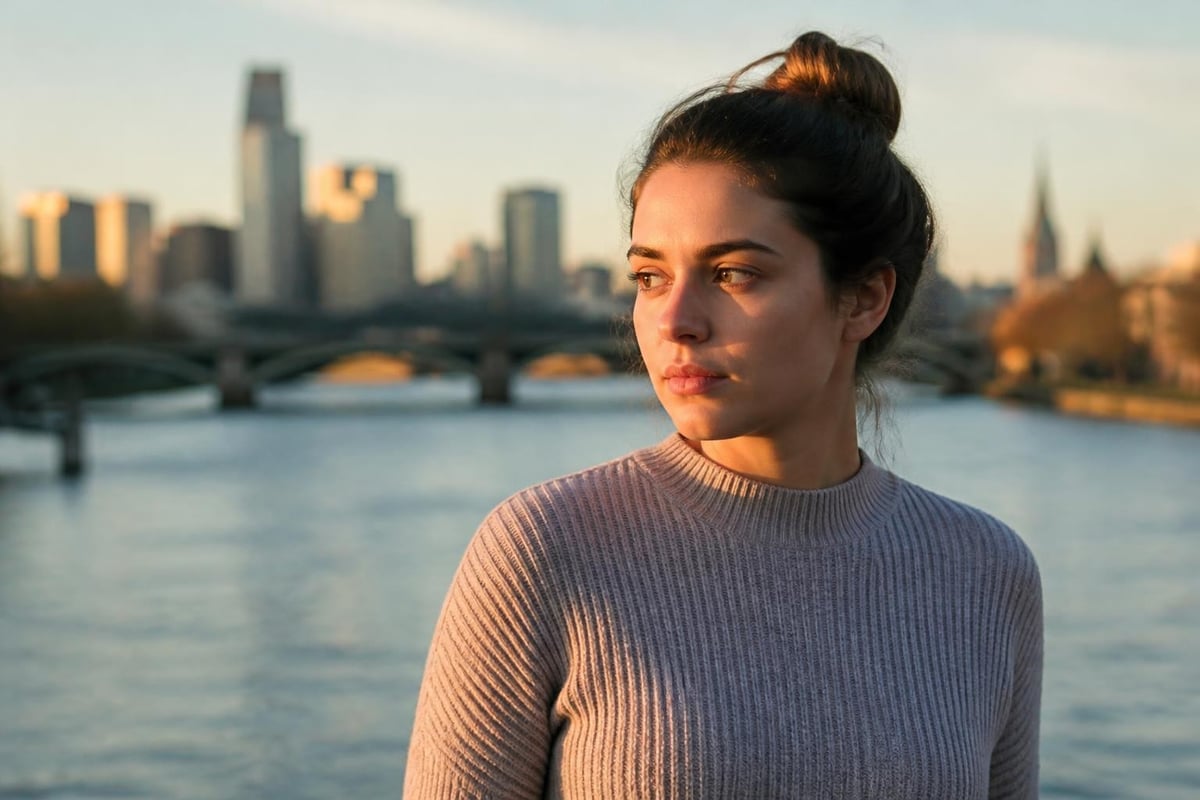
Strong AI-generated photos demonstrate:
- Consistent light direction across all elements in the scene
- Appropriate shadow depth for the lighting type (soft for overcast, hard for direct sun)
- Realistic depth of field with proper focus falloff
- Contextual coherence where clothing, setting, and activity align logically
Industry Progress and Current Capabilities
The pace of advancement in image generation technology continues to accelerate. Stanford's 2024 AI Index documents substantial improvements in both quality and accessibility, with adoption rates climbing across consumer and professional applications.
Major Platform Developments
Leading technology companies have released increasingly sophisticated tools. Google's recent announcements around Imagen 3 showcase enhanced photorealism and better instruction following, while maintaining safety guidelines and usage policies.
The trajectory points toward AI systems that require less technical knowledge to operate while producing more consistently professional results. This democratization means quality AI-generated photos are accessible to individuals and small businesses without specialized expertise.
Specialized Applications
Generic AI image generators create anything from fantasy landscapes to product mockups. Specialized services focusing on portrait photography optimize specifically for human appearance, achieving better results in that narrow domain.
When AI make images of specific people, specialized models trained on individual reference photos outperform general-purpose systems. This approach allows the AI to learn your particular features, expressions, and appearance variations, then apply that knowledge across different scenarios.
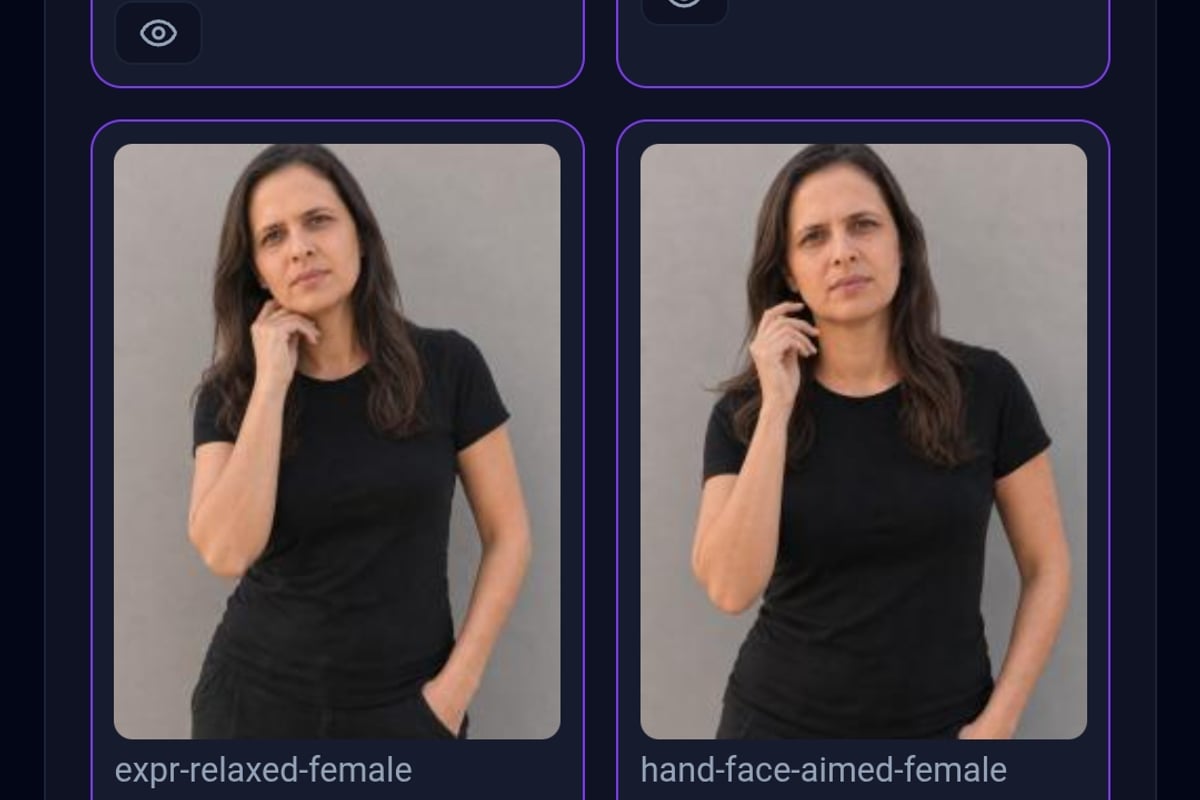
For instance, pose maxing technology can adjust your posture in existing photos, fixing awkward stances while keeping everything else identical. This level of specific control demonstrates how AI image manipulation has evolved beyond simple filters.
Ethical and Legal Considerations
As AI make images capabilities expand, questions around authenticity, copyright, and appropriate use become increasingly important. Understanding the legal landscape helps you use these tools responsibly.
Copyright and Ownership
The U.S. Copyright Office has issued guidance on AI-generated content, establishing that purely AI-created works may not qualify for copyright protection. However, works involving significant human creative direction may qualify.
For practical purposes, when you use AI to generate photos of yourself from your own reference images:
- You own the reference photos you provide
- The service's terms determine rights to generated outputs
- Commercial use rights should be explicitly granted
- Attribution requirements vary by platform
Authenticity and Disclosure
Different contexts demand different transparency levels. Professional headshots don't typically require disclosure that they're AI-generated, particularly when they accurately represent your current appearance. Dating profiles benefit from authenticity, making disclosure a consideration when photos show scenarios you haven't actually experienced.
The key ethical principle: AI-generated photos should represent how you genuinely appear, not create a false impression. This aligns with the philosophy behind services focused on likeness preservation rather than idealization.
Practical Guide to Achieving Quality Results
Success with AI-generated photography depends on understanding the process and providing appropriate inputs. These practical steps improve output quality significantly.
Selecting Reference Photos
The AI learns your appearance from reference images you provide. Quality and variety in these references directly impact results.
Best practices for reference selection:
- Use recent photos taken within the past year
- Include multiple angles (front, three-quarter, profile)
- Show varied lighting (indoor, outdoor, natural, artificial)
- Capture different expressions (neutral, smiling, serious)
- Provide clear images with good focus and resolution
Avoid heavily filtered, cropped, or poor-quality reference photos. The AI can only work with the information you provide. For guidance on which photo types work best, CMeIn's photo type selector helps identify approaches that match your personality and goals.
Choosing Scenarios and Settings
When AI make images based on your prompts or scenario selections, specificity improves results. Generic requests like "outdoor photo" produce less relevant results than specific scenarios like "hiking trail in autumn" or "coffee shop conversation."
Consider what the photos need to communicate:
- Professional credibility: office settings, conference backgrounds, neutral studio backdrops
- Social approachability: casual environments, activity-based scenarios, everyday locations
- Specific interests: hobby-related settings that reflect genuine activities
| Scenario Type | Effective Details | Why It Works |
|---|---|---|
| Outdoor casual | Specific location type (park, beach, urban street) | Context feels intentional rather than random |
| Professional | Industry-appropriate setting (office, site, studio) | Builds credibility through relevant environment |
| Activity-based | Actual hobby (hiking, cooking, reading) | Authenticity comes from realistic activity |
| Social | Natural gathering space (café, bar, restaurant) | Familiar settings people recognize |
Evaluating and Refining Outputs
Not every generated image will meet your needs. Developing criteria for evaluation helps you select the strongest results and identify areas for refinement.
Quality assessment checklist:
- Does the photo maintain your recognizable features?
- Are lighting and shadows consistent and realistic?
- Does the background suit the intended purpose?
- Would someone who knows you recognize this as you?
- Does the overall composition feel natural rather than staged?
If initial results miss the mark, adjusting reference photos or scenario descriptions usually produces better second attempts. Many platforms allow iterative refinement, generating variations until you achieve the desired result.
Comparing AI Generation to Traditional Photography
Understanding where AI excels and where traditional photography maintains advantages helps you choose the right approach for specific needs.
Speed and Convenience
Traditional photography requires coordination, travel, equipment, and post-processing. Even simple headshots involve scheduling, setup, multiple shots, and editing. When AI make images, the entire process from upload to finished photos can complete in minutes.
This speed advantage matters particularly when you need:
- Quick turnaround for time-sensitive applications
- Multiple variations to test different approaches
- Regular content updates without repeated sessions
- Photos in locations that are impractical to access
Cost Efficiency
Professional photography sessions typically cost several hundred dollars for business headshots, with additional fees for multiple outfits, locations, or usage rights. AI-generated options through services like CMeIn operate at a fraction of traditional costs while providing greater variety.
The economic model shifts from per-session pricing to subscription or package pricing, making frequent updates affordable.
Authenticity and Connection
Traditional photography captures genuine moments and real interactions. The photographer's skill in creating comfortable environments, directing natural expressions, and capturing authentic moments remains valuable, particularly for applications requiring emotional connection.
AI-generated images work best when they replicate photographic scenarios rather than trying to capture spontaneous emotion. Understanding this limitation helps set appropriate expectations.
Integration with Creative Workflows
For businesses and creative professionals, AI image generation becomes a tool within broader workflows rather than a complete replacement for other visual content creation methods.
Agencies and Professional Applications
Digital agencies increasingly incorporate AI image generation into their service offerings. Organizations like Stijl en Vorm integrate AI capabilities alongside traditional creative services, using the technology to accelerate concept development, create variations, and reduce production costs for certain deliverables.
This hybrid approach combines AI efficiency with human creative direction, quality control, and strategic thinking.
Content Creation Pipelines
Regular content creation demands consistent output. When AI make images as part of a larger content strategy, they fill gaps between major photoshoots, provide seasonal variations, and enable testing of different visual approaches before investing in full production.
Effective integration involves:
- Strategic planning of which content types benefit from AI generation
- Quality standards ensuring AI outputs meet brand requirements
- Workflow documentation so team members use tools consistently
- Regular evaluation of results and refinement of processes
Future Developments and Capabilities
The trajectory of AI image generation points toward increasingly sophisticated control, better quality, and more specialized applications. Several developments are already emerging that will shape capabilities in the coming years.
Improved Control and Precision
Current systems excel at broad instructions but sometimes struggle with precise details. Next-generation models offer finer control over specific elements, from exact lighting angles to detailed pose adjustments.
This precision matters for applications like style maxing, where changing clothing while preserving everything else requires surgical accuracy.
Real-Time Generation
Processing speed continues to improve. Real-time generation would enable interactive refinement, where you adjust parameters and immediately see results, dramatically accelerating the iteration process.
Multi-Image Consistency
Generating multiple photos that maintain consistent appearance across varied scenarios remains challenging. Improvements in this area would better serve applications requiring photo sets, like dating profiles or professional portfolios.
Selecting the Right Service for Your Needs
Different platforms optimize for different outcomes. Evaluating services based on your specific requirements leads to better results than choosing based solely on price or features.
Key Evaluation Criteria
When comparing AI image generation services:
- Likeness accuracy: How well does it preserve your actual appearance?
- Scenario relevance: Can it create the specific types of photos you need?
- Quality consistency: What percentage of outputs meet professional standards?
- Usage rights: Do you have full rights to use images commercially?
- Turnaround time: How quickly do you receive results?
For applications where recognition matters, prioritize services emphasizing likeness preservation. When AI make images that look exactly like you, they serve professional needs better than beautified versions that sacrifice accuracy for idealization.
Specialized vs. General Services
General AI image generators like Midjourney or DALL-E create impressive artistic images but often struggle with consistent human likenesses. Specialized portrait services train specifically on maintaining individual features across scenarios, producing more reliable results for professional headshots and dating photos.
The specialized approach trades flexibility for accuracy in its specific domain. If you need photos of yourself, specialized services typically outperform general tools.
AI image generation has matured from experimental technology into a practical tool for creating professional headshots, dating profile photos, and social media content that maintains your authentic appearance. The key to success lies in choosing services that prioritize likeness preservation, providing quality reference photos, and understanding where the technology excels versus where traditional photography still leads. CMeIn specializes in generating realistic AI photos that look exactly like you across various scenarios, from dating profiles to professional headshots, without retouching or idealization, ensuring every photo genuinely represents how you actually appear.