Images Generated: How AI Photography Is Transforming 2026
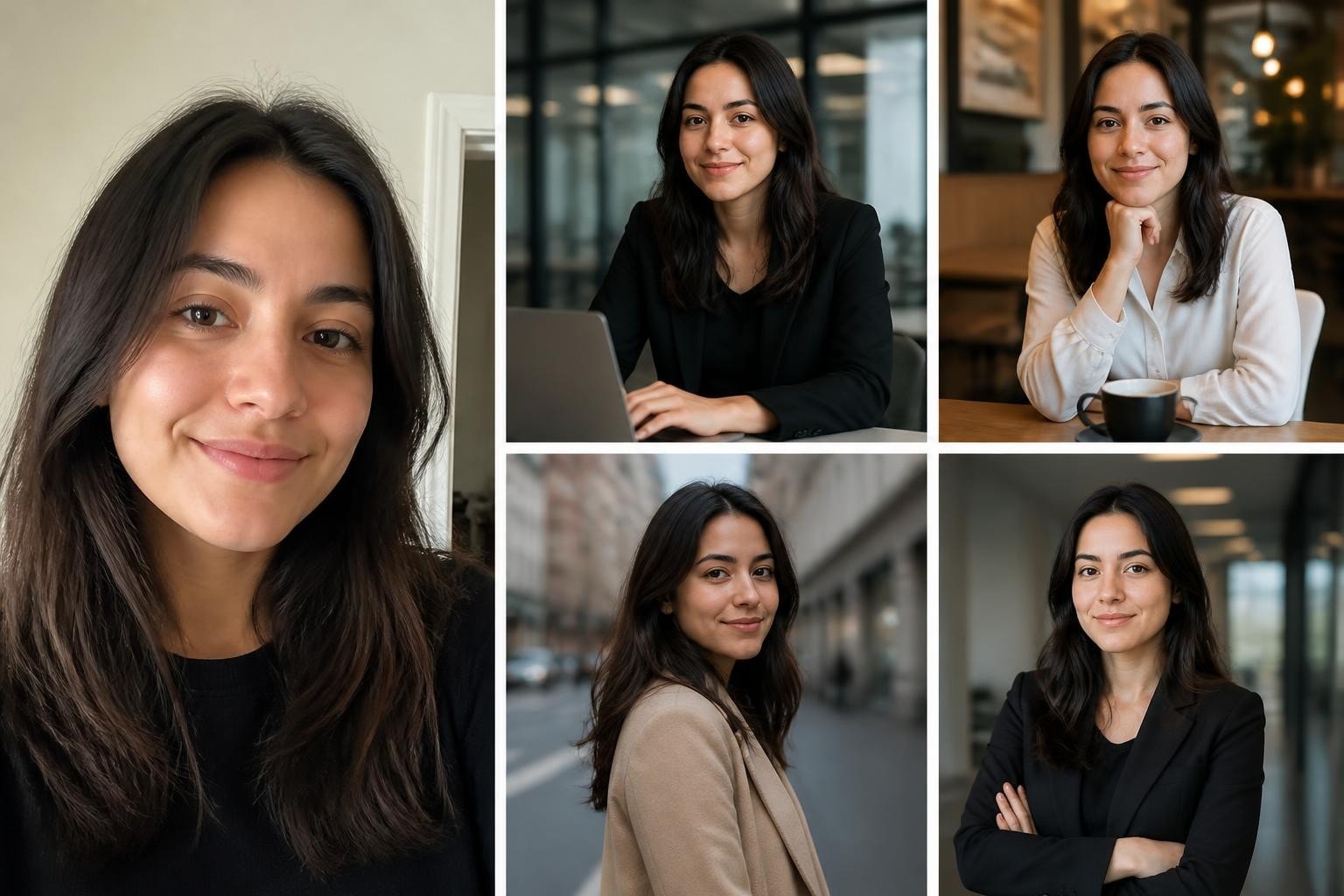
The landscape of digital photography has fundamentally changed. Where photographers once needed studios, lighting equipment, and hours of editing time, modern technology now allows individuals to create professional-quality images in minutes. Images generated through artificial intelligence have evolved from experimental novelties to practical tools that millions of people use daily for dating profiles, professional headshots, and social media presence. The technology has matured to the point where realistic, personalized outputs are no longer reserved for tech enthusiasts but accessible to anyone with a smartphone and a clear vision of how they want to present themselves.
The Technology Behind Modern Image Generation
Artificial intelligence image generation relies on sophisticated neural networks that learn patterns from millions of reference images. Diffusion models have emerged as the dominant architecture in 2026, replacing earlier generative adversarial networks (GANs) in many applications. These systems work by gradually adding and removing noise from images, learning to reconstruct coherent visual information through a process that resembles artistic refinement.
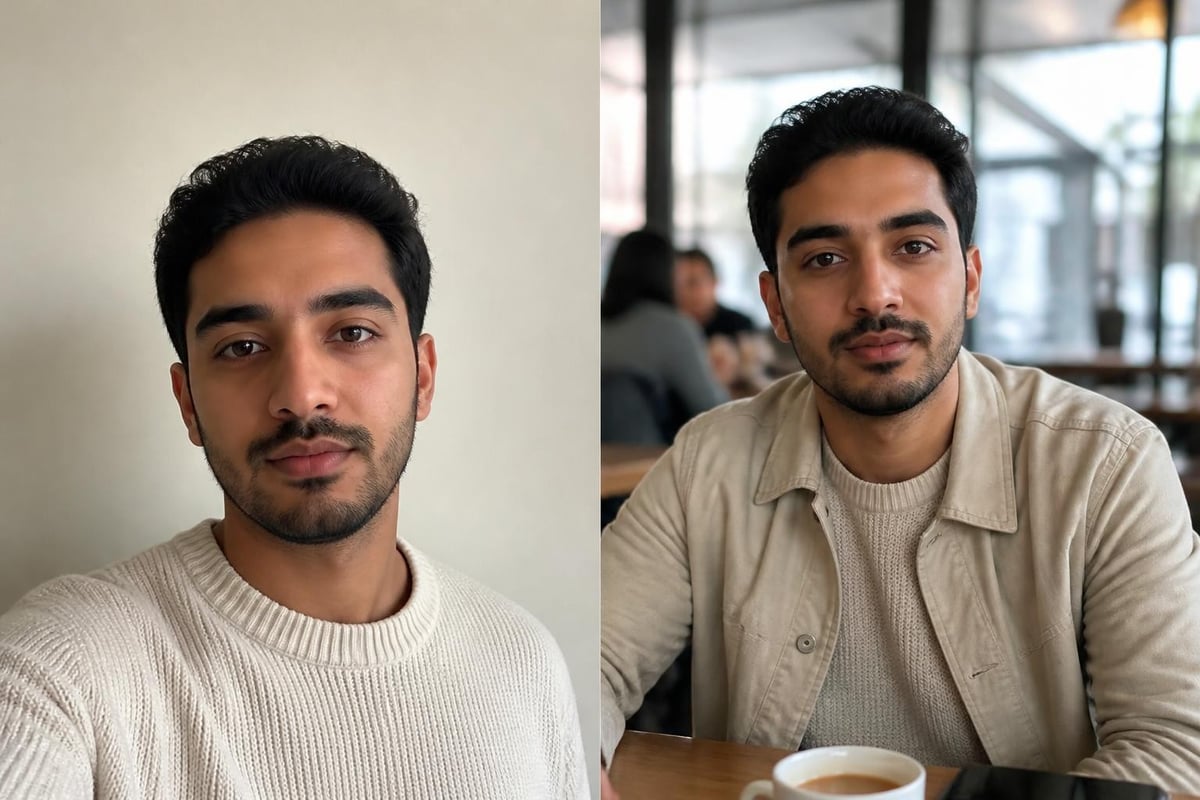
The breakthrough came when researchers discovered how to condition these models on specific inputs. Rather than generating random images, modern systems can take your reference photos and maintain facial features, skin tone, and distinctive characteristics while placing you in entirely new contexts. This conditioning process is what separates professional-grade tools from basic image filters.
How Reference Photos Drive Quality
The quality of images generated depends heavily on the reference material provided. Professional systems typically require five to ten clear photos showing different angles, lighting conditions, and expressions. This variety allows the AI to build a comprehensive understanding of facial structure, proportions, and natural variations in appearance.
Key factors in reference photo selection:
- Clear facial visibility without obstructions
- Diverse lighting conditions (natural and artificial)
- Multiple angles (front, three-quarter, profile)
- Natural expressions rather than extreme poses
- Consistent with current appearance (recent photos)
Unlike traditional photo editing that manipulates individual images, AI generation creates entirely new photographs. The system learns what you actually look like rather than applying generic templates. This approach produces results that maintain authenticity while offering creative flexibility unavailable through conventional photography.
Applications Reshaping Personal and Professional Branding
Images generated by AI serve distinct practical purposes in 2026. Dating profiles represent the largest single use case, with approximately 40% of online dating users incorporating at least one AI-generated image according to industry surveys. These individuals aren't trying to deceive potential matches but rather showing themselves in contexts they value but haven't photographed: travel destinations, professional settings, or social situations.
Professional headshots constitute another major category. Traditional corporate photography costs between $150 and $500 for a single session, pricing out freelancers, small business owners, and job seekers who need updated LinkedIn photos regularly. AI-generated alternatives provide comparable quality at a fraction of the cost, with the added advantage of generating multiple style variations instantly.
| Application | Traditional Cost | AI Generation Cost | Time Required |
|---|---|---|---|
| Professional headshot | $200-500 | $10-50 | 15 minutes vs. 2-3 hours |
| Dating profile photos (5-6 images) | $300-800 | $15-60 | 20 minutes vs. half day |
| Social media content (monthly) | $500-1500 | $20-100 | On-demand vs. scheduled sessions |
The Social Media Dimension
Content creators and influencers have adopted images generated through AI as standard tools in their workflows. Rather than replacing authentic personal photography entirely, these tools fill gaps in content calendars and provide consistency when travel, weather, or scheduling makes traditional photography impractical.
The technology excels at maintaining brand consistency across varied content. A travel blogger can generate images in specific lighting styles, color palettes, or compositional approaches that match their established aesthetic. This consistency strengthens brand recognition while reducing the pressure to constantly produce perfect shots in real-time.
Quality Metrics That Actually Matter
Not all images generated by AI systems achieve the same level of realism or usefulness. Understanding quality markers helps users select appropriate tools and set realistic expectations. The most important metric isn't technical perfection but rather whether the output serves its intended purpose while maintaining the subject's authentic appearance.
Primary quality indicators:
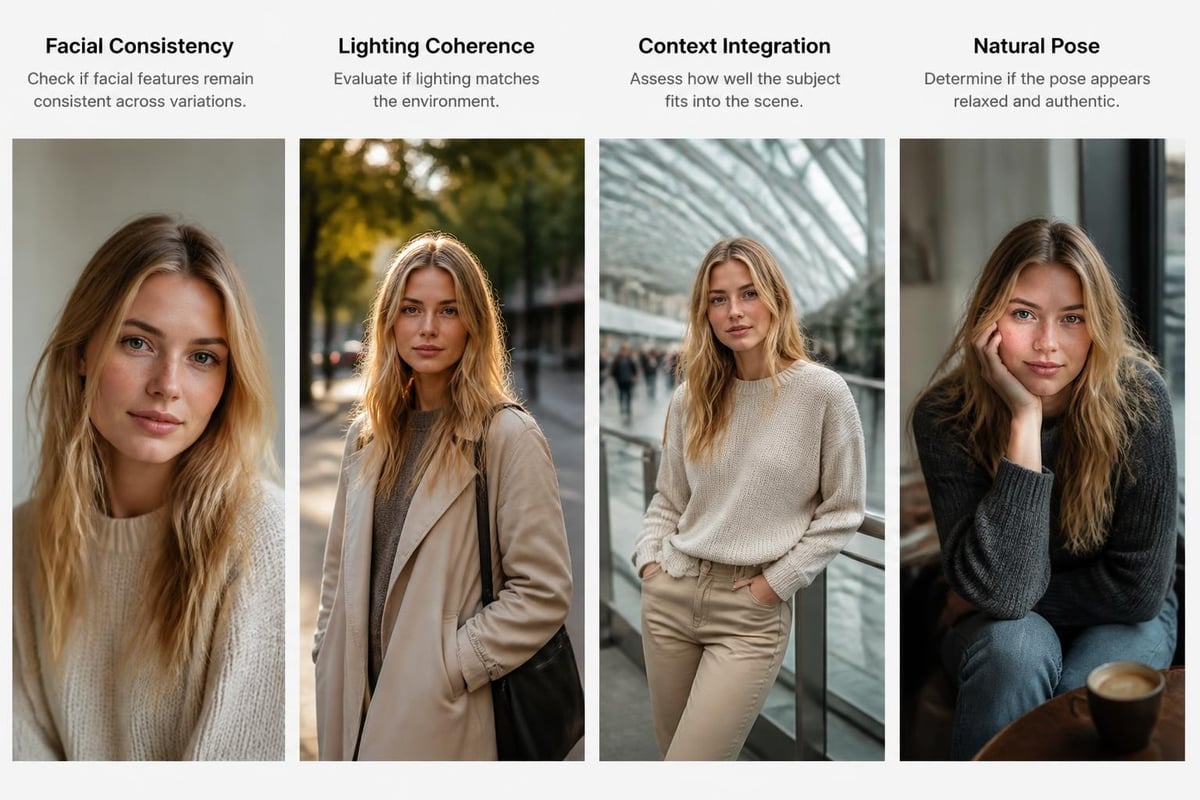
- Facial consistency: Does the generated image preserve distinctive features like eye shape, nose structure, and facial proportions?
- Lighting coherence: Are shadows and highlights physically plausible given the apparent light source?
- Context integration: Does the subject appear naturally integrated into the scene rather than pasted in?
- Detail preservation: Are textures (skin, fabric, hair) rendered with appropriate complexity?
- Pose naturalness: Does body language look relaxed and unstaged?
Advanced systems now incorporate evaluation frameworks originally developed for deepfake detection. These metrics assess micro-expressions, anatomical proportions, and physical consistency. When applied to legitimate image generation, they ensure outputs meet minimum standards for photorealism.
The Uncanny Valley Problem
Early AI-generated images suffered from subtle wrongness that viewers couldn't quite articulate but immediately sensed. Eyes didn't quite track correctly, lighting came from impossible angles, or fingers had too many joints. Modern systems have largely solved these obvious flaws, but sophisticated viewers still notice telltale signs in poorly implemented solutions.
The solution isn't purely technical. The best results come from systems that understand photographic principles: how real cameras capture light, how people naturally position themselves, and what details matter in specific contexts. A professional headshot requires different considerations than a casual beach photo.
Practical Workflow Integration
Implementing images generated by AI into real-world workflows requires thoughtful planning rather than wholesale replacement of traditional photography. Most successful users follow a hybrid approach that combines authentic photos with strategically generated content.
The typical workflow starts with a reference photo session. This doesn't require professional equipment but should capture clear, well-lit images from multiple angles. Ten to fifteen photos usually provide sufficient training data for quality results. Users then select specific scenes or contexts where they want to appear, choosing backgrounds and settings that align with their personal brand or the message they want to convey.
Generation itself takes minutes rather than hours. Modern systems process reference photos, apply the selected scene and style parameters, and produce downloadable images within five to twenty minutes depending on resolution and complexity. This speed enables rapid iteration and experimentation that traditional photography cannot match.
Selection and Refinement
The generation phase produces multiple variations, and thoughtful selection separates professional results from amateur work. Not every generated image will be usable. Successful users evaluate outputs critically, looking for the quality markers discussed earlier and rejecting images that don't meet standards.
Refinement checklist:
- Does the image look like me today, not five years ago?
- Would someone who knows me recognize this as authentic to my appearance?
- Does the context match what I'd actually do or places I'd go?
- Are lighting and shadows consistent throughout?
- Do my hands, if visible, look natural?
For professional applications like dating profile photos, many users benefit from AI-powered review tools that evaluate not just individual images but how they work together as a set. These systems identify gaps in variety, spot redundant shots, and suggest the optimal sequence for presenting yourself.

Legal and Ethical Considerations
The regulatory landscape around images generated by AI continues to evolve. In the United States, the Copyright Office has issued guidance establishing that AI-generated works may qualify for copyright protection when they contain sufficient human creative input. The determination depends on how much control the human creator exercised over the final output.
For personal use in dating profiles or social media, copyright concerns are minimal. Users own the reference photos they submit and typically receive clear usage rights to generated outputs through service terms. Commercial applications require more careful attention to licensing, particularly when images might be used in advertising or published materials.
International Perspectives
WIPO has addressed intellectual property questions surrounding AI-generated content from an international perspective. Key considerations include whether AI systems themselves can be considered authors, how training data rights affect output ownership, and what protections exist for individuals whose likeness appears in generated images.
The consensus emerging in 2026 is that individuals maintain rights to their own likeness regardless of generation method. Services that create images of you from your photos provide a tool; you retain control over how those images are used. This principle applies whether you're creating a professional headshot or updating your personal brand across social channels.
Transparency requirements vary by jurisdiction and application. Some dating platforms now require disclosure when profiles include AI-generated images, while professional networks like LinkedIn leave the decision to individual users. The ethical standard extends beyond legal requirements: if an image could mislead viewers about your current appearance or capabilities, disclosure becomes important regardless of platform rules.
The Evolution of Realism Standards
What counted as realistic in 2022 looks obviously artificial by 2026 standards. Recent research in text-to-image generation has driven rapid improvements in detail rendering, lighting physics, and contextual coherence. The pace of advancement means that systems even two years old produce noticeably inferior results compared to current models.
Modern realism extends beyond static image quality to include consistency across multiple generated images. If you create six photos for a dating profile, subtle differences in apparent age, facial structure, or coloring between images immediately signal artificial generation. Professional systems now maintain persistent identity across batches, ensuring all images generated from your reference photos show the same person.
Technical Benchmarks
Industry standard evaluations now incorporate perceptual metrics that correlate with human judgment rather than relying solely on mathematical similarity measures. The Frechet Inception Distance (FID) and similar metrics quantify how closely generated images match the statistical distribution of real photographs. Lower scores indicate more realistic outputs.
| Model Generation | FID Score | Perceptual Quality | Release Year |
|---|---|---|---|
| Early GAN systems | 50-80 | Obvious artifacts | 2020-2021 |
| First diffusion models | 20-35 | Improved but detectable | 2022-2023 |
| Current state-of-art | 5-12 | Photorealistic in most cases | 2024-2026 |
These improvements translate directly to practical applications. Images generated in 2026 consistently pass casual inspection and serve functional purposes without raising questions about authenticity. The technology has crossed the threshold from experimental to practical for most common use cases.
Building Trust Through Authentic Representation
The paradox of images generated by AI is that they're most effective when they accurately represent reality rather than creating fantasy versions. Users who generate idealized images that show them twenty pounds lighter or ten years younger consistently report worse outcomes than those who maintain authentic representation while simply placing themselves in better contexts.
This principle reflects deeper psychological factors in how people process visual information. Viewers develop expectations based on profile images, and significant discrepancies between those expectations and reality create negative reactions that override any initial attraction. The goal isn't to look perfect but to look like yourself in situations where you're comfortable and confident.
Authenticity guidelines for personal branding:
- Generate images that show your current appearance, not aspirational goals
- Choose contexts you'd actually enjoy or have experienced
- Maintain consistent styling across images rather than dramatically different looks
- Include variety that reflects your real interests and personality
- Balance AI-generated content with some authentic recent photos
Professional applications follow similar logic. A LinkedIn headshot that makes you look dramatically different from your video call appearance creates confusion and undermines credibility. The value comes from professional presentation of your actual appearance, not creating an idealized avatar.
Future Directions and Emerging Capabilities
The Stanford AI Index Report documents accelerating capability improvements across generative AI systems. For image generation specifically, emerging trends point toward greater personalization, real-time generation, and integration with other media types.
Video generation represents the next frontier. Current systems can create short clips with reasonable consistency, though maintaining identity across longer sequences remains challenging. Within twelve to eighteen months, we'll likely see tools that generate short video clips with the same consistency currently achieved in still images. This capability will expand use cases to video dating profiles, social media stories, and professional introduction videos.
Integration with augmented reality applications offers another growth vector. Rather than generating standalone images, future systems may overlay AI-generated elements onto live camera feeds or create mixed-reality experiences that combine real environments with generated enhancements. These applications blur the line between traditional photography and pure generation.
Personalization at Scale
Advanced systems are moving beyond scene selection toward true personalization. Rather than choosing from predefined templates, users will describe scenarios in natural language and receive custom-generated images matching their descriptions. This flexibility dramatically expands creative possibilities while maintaining the facial consistency that makes generated images useful for personal branding.
The technology is also becoming more accessible. Processing that required specialized hardware two years ago now runs efficiently on standard cloud infrastructure, reducing costs and enabling broader adoption. This democratization means professional-quality images generated by AI are available to individuals regardless of technical expertise or budget constraints.
Choosing the Right Generation Approach
Different applications demand different generation strategies. Understanding these distinctions helps users select appropriate tools and set realistic expectations for results. Professional headshots require different considerations than social media content or creative personal projects.
For professional contexts, consistency and subtle refinement matter more than creative flexibility. The goal is to present yourself as you actually appear while ensuring excellent lighting, composition, and background selection. Systems that specialize in professional output typically offer fewer scene options but achieve higher consistency and reliability within that narrower scope.
Social media and dating profiles benefit from greater variety. These applications call for multiple images showing different contexts, activities, and settings. The best results come from platforms offering extensive scene libraries organized by activity type, setting, and mood. When exploring photo types that suit you, consider both the visual aesthetic and whether the context authentically represents your interests and lifestyle.
Creative or artistic applications prioritize flexibility and experimentation. Users might want to see themselves in fantasy settings, historical periods, or artistic styles. These use cases value imaginative possibility over strict photorealism, though maintaining facial consistency remains important even in stylized outputs.
Images generated through AI have matured into practical tools that serve real needs across professional and personal contexts. The technology excels when it enhances authentic self-presentation rather than creating disconnected fantasy versions that undermine trust and credibility. If you need professional headshots, dating profile photos, or social media content that genuinely looks like you while showing you in contexts that matter to your personal brand, CMeIn transforms your reference photos into realistic images across thousands of scenes while maintaining your true likeness without retouching or alterations.