AI Generator Image: How Modern Tools Create Realistic Photos
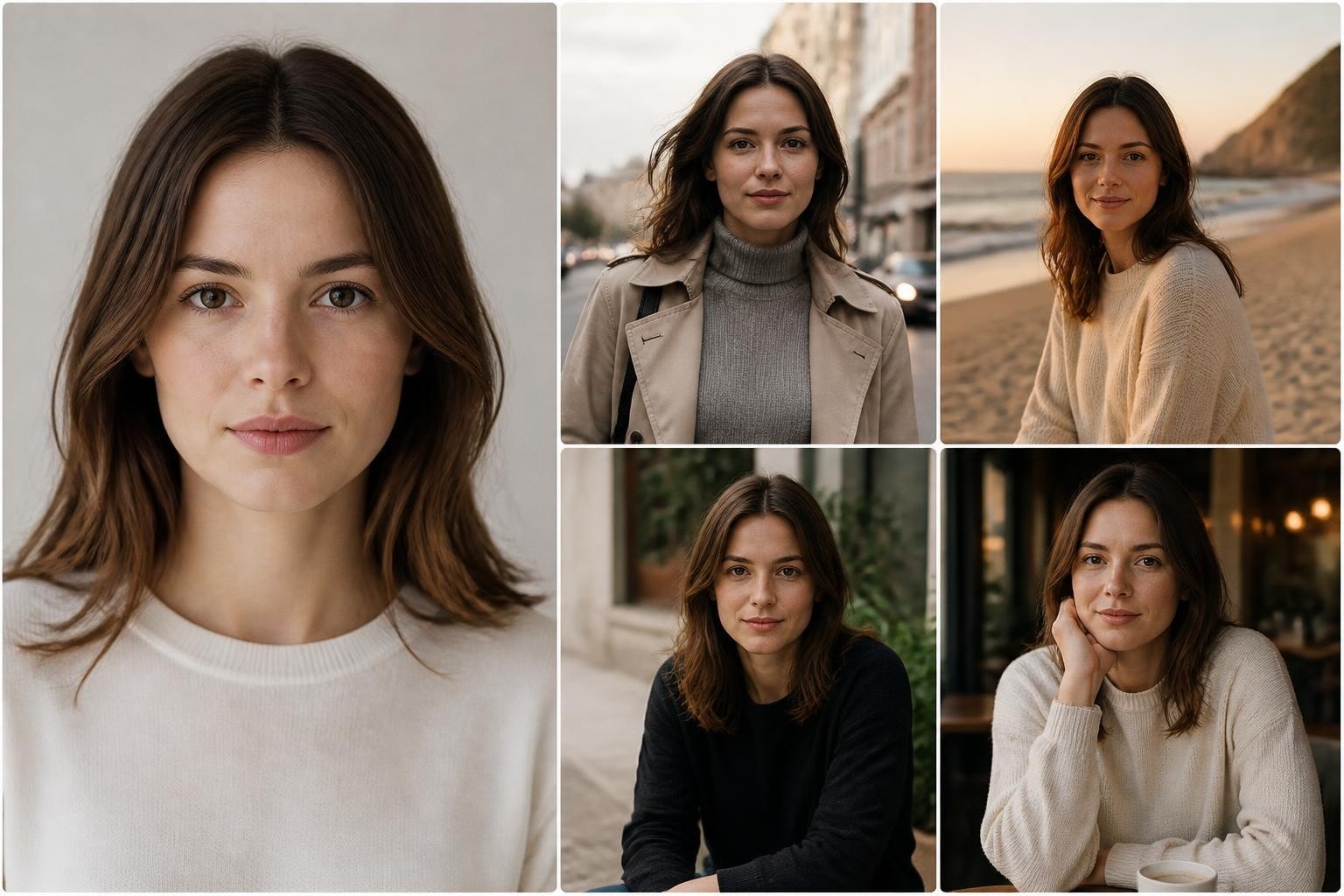
The technology behind creating realistic images from artificial intelligence has advanced dramatically over the past three years, shifting from experimental novelty to practical tool. An al generator image system now produces photographs that are nearly indistinguishable from traditional camera captures, opening new possibilities for personal branding, professional portfolios, and social media presence. Understanding how these systems work, what makes them effective, and where they fit into your visual strategy helps you make informed choices about when and how to use AI-generated imagery.
Understanding the Technology Behind AI Image Generators
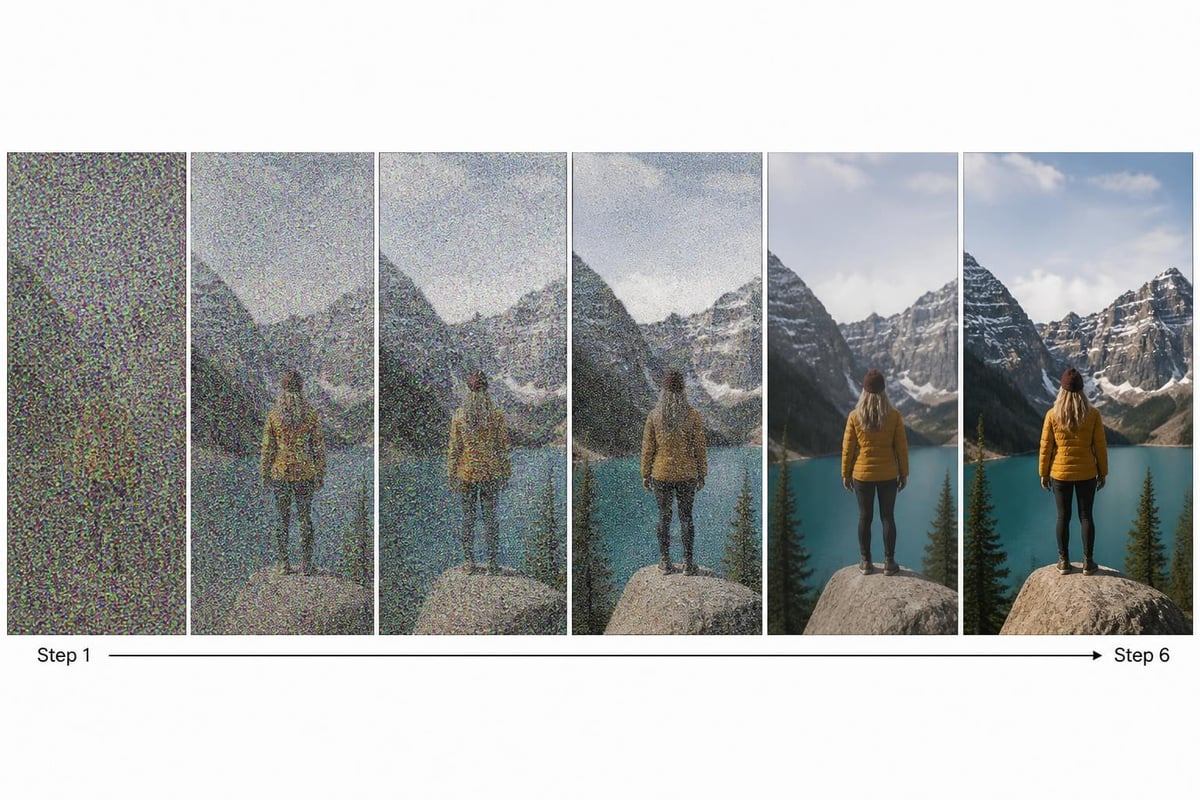
Modern al generator image platforms rely primarily on diffusion models, a class of neural networks that learned to create images by reversing a noise-addition process. The latent diffusion architecture processes images in a compressed latent space rather than pixel-by-pixel, making generation faster and more efficient while maintaining high quality.
These systems train on massive datasets containing millions of image-text pairs. The LAION dataset, for instance, contains over 400 million labeled images that help models learn the relationship between visual concepts and language. This training enables the system to understand prompts like "outdoor café seating" or "professional office environment" and translate them into coherent visual output.
How Diffusion Models Generate Images
The generation process starts with pure random noise. The trained model then iteratively removes this noise through dozens of steps, guided by both your text prompt and any reference images you provide. Each step refines the image slightly, gradually revealing recognizable shapes, textures, and eventually fine details like fabric texture or lighting gradients.
Key components of the diffusion process include:
- Noise scheduling: Controls how quickly the model removes noise at each step
- Attention mechanisms: Determine which parts of the image relate to which prompt words
- Latent encoding: Compresses images into an efficient mathematical representation
- Conditioning: Incorporates reference photos or style guidance into generation
For personalized al generator image applications, an additional training step occurs. The system learns your specific facial features from the reference photos you upload, creating a custom model that can place your likeness into any scene while maintaining recognizable characteristics.
Quality Factors That Determine Realistic Output
Not all AI-generated images achieve the same level of realism. Several technical and artistic factors separate convincing photographs from obviously synthetic ones. Understanding these elements helps you evaluate different platforms and set appropriate expectations.
Technical Quality Metrics
Research teams use quantitative measures to assess image generator performance. The Fréchet Inception Distance (FID) metric compares the statistical distribution of generated images against real photographs, providing an objective quality score. Lower FID scores indicate more realistic output, though this metric doesn't capture every aspect of perceived quality.
| Quality Factor | What It Measures | Impact on Realism |
|---|---|---|
| Resolution | Pixel dimensions and clarity | Sharp details vs. blur |
| Consistency | Coherence across image areas | Believable vs. fragmented |
| Lighting | Shadow direction and color temperature | Natural vs. artificial appearance |
| Proportion | Anatomical and spatial accuracy | Correct vs. distorted features |
Beyond technical metrics, perceptual quality depends heavily on context-appropriate details. An al generator image for a professional headshot requires different qualities than one for a casual travel scene. Lighting should match the environment, clothing should fit the setting, and your expression should align with the activity depicted.
Training Data and Model Bias
The quality of generated images directly reflects the diversity and quality of training data. Models trained predominantly on studio photography may struggle with outdoor scenes. Those trained on Western faces may perform less accurately for other ethnicities. Responsible platforms address these limitations through careful dataset curation and ongoing model refinement.
When using AI-generated photos for dating profiles, authenticity matters more than technical perfection. Small imperfections that might lower an FID score can actually increase perceived realism because they mirror the minor flaws present in smartphone photography.
Practical Applications for Personal and Professional Use
The versatility of al generator image technology extends across numerous use cases, each with specific requirements and considerations. Matching the right application to your needs ensures you get maximum value from these tools.
Dating and Social Media Profiles
Profile photos represent one of the most popular applications for AI-generated imagery. Traditional photoshoots are expensive and time-consuming, while smartphone selfies often lack variety or professional quality. An al generator image platform fills this gap by creating diverse, high-quality photos from a small set of reference images.
Benefits for profile photos:
- Scene variety: Generate images in locations you haven't visited
- Consistency: Maintain your current appearance across all photos
- Time efficiency: Create dozens of options in minutes instead of hours
- Cost effectiveness: Avoid photographer fees and location rentals
- Privacy: Generate photos without involving friends or hiring strangers
The key consideration here is maintaining recognizability. Your generated images should look like you would actually look in those scenes, not like an idealized or retouched version. AI dating photos that preserve your authentic appearance perform better than over-edited alternatives because they set accurate expectations for in-person meetings.
Professional Headshots and Business Photos
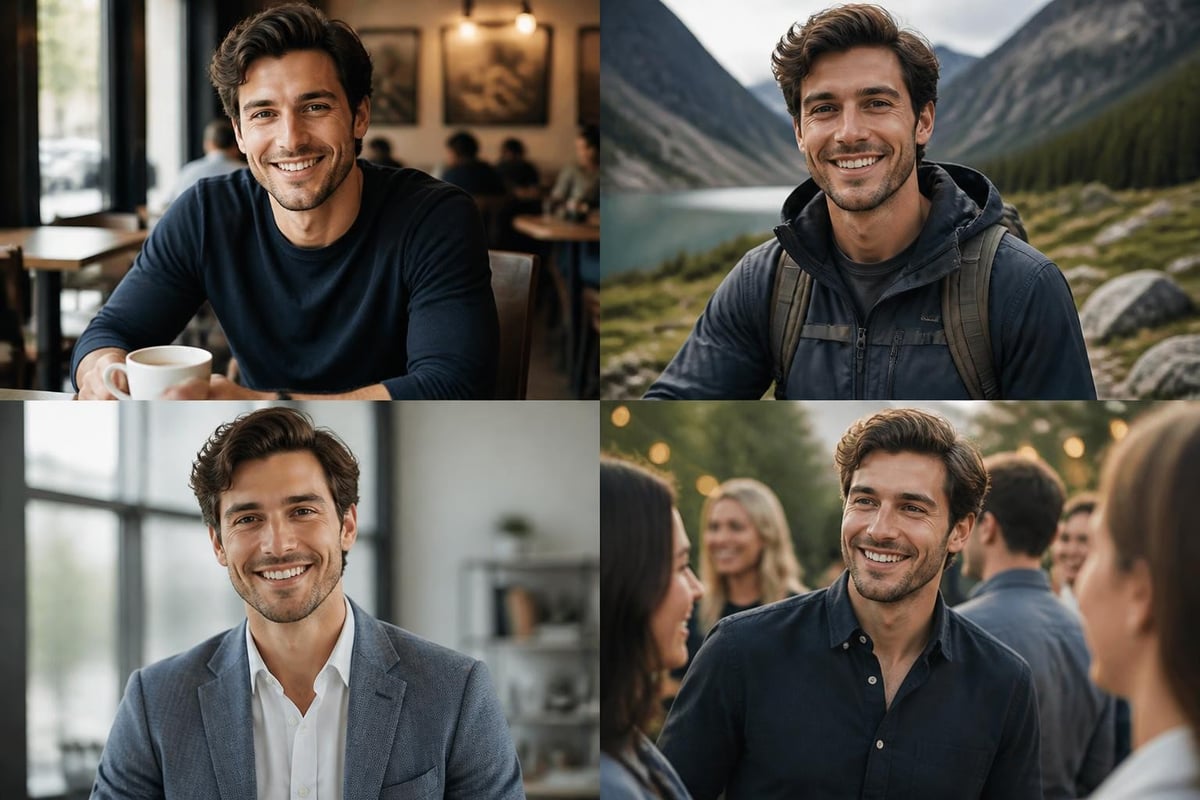
LinkedIn profiles, company websites, and professional directories all require polished headshots. Traditional corporate photography sessions cost $200-500 and require scheduling, travel, and multiple outfit changes. An AI headshot generator produces comparable results from existing photos.
For professionals who work remotely or travel frequently, maintaining updated business photos becomes challenging. AI generation solves this by allowing you to create fresh headshots whenever your appearance changes, without booking another studio session.
Content Creation and Marketing
Businesses increasingly use AI-generated imagery for blog headers, social media posts, and marketing materials. Rather than licensing stock photos that thousands of other sites also use, brands can create unique visuals tailored to their specific content.
For personal brands and creators, photo-generated AI technology enables you to appear in concept photos that would otherwise require expensive production. A fitness coach can generate images of themselves demonstrating exercises in various gym settings. A travel writer can create destination photos without visiting every location mentioned.
Addressing Common Concerns and Limitations
Despite impressive capabilities, al generator image technology has real limitations. Recognizing these boundaries helps you use these tools appropriately and set realistic expectations.
When AI Generation Falls Short
Current systems struggle with certain scenarios. Complex hand positions, intricate jewelry, text within images, and specific brand logos often generate incorrectly. Multiple people interacting naturally remains challenging, as does maintaining exact consistency across a series of generated images.
Situations where traditional photography is still preferable:
- Legal identification documents requiring verified photos
- Product photography showing exact inventory items
- Event documentation capturing specific moments
- Group photos with multiple specific people
- Technical photography requiring precise measurements
Understanding how to make AI photos look real involves knowing when not to use generation at all. Some contexts demand authentic camera captures, both for technical accuracy and ethical transparency.
Intellectual Property and Copyright Considerations
The legal landscape surrounding AI-generated images continues to evolve. The World Intellectual Property Organization addresses these concerns in ongoing research and policy discussions, but many questions remain unresolved.
For personal use, generating images of yourself typically presents no legal issues. You own your likeness, and creating AI photos for your own profiles or portfolios falls under normal usage. Commercial applications become more complex, particularly when training data might include copyrighted material.
Watermarking and Provenance
Transparency about AI generation is both an ethical consideration and increasingly a technical requirement. Meta AI's research into invisible watermarking for generative models demonstrates one approach to encoding provenance information directly into generated images.
Some platforms already include metadata tags identifying images as AI-generated. Others use visible watermarks for transparency. As the technology becomes more widespread, expect disclosure standards to develop across different industries and use cases.
Choosing the Right Platform for Your Needs
The al generator image market now includes dozens of platforms, each with different strengths, pricing models, and technical approaches. Selecting the right one requires evaluating your specific requirements against what each platform offers.
Key Evaluation Criteria
| Criterion | Why It Matters | What to Look For |
|---|---|---|
| Facial accuracy | Ensures generated images actually look like you | Sample galleries showing consistent features |
| Scene variety | Provides enough options for your use case | Number and diversity of available backgrounds |
| Generation speed | Affects workflow efficiency | Typical processing time per image |
| Privacy policy | Protects your personal photos | Clear data retention and usage terms |
| Editing flexibility | Allows refinement after generation | Options to adjust pose, lighting, or composition |
For applications requiring your actual face in various scenes, platforms that train custom models on your reference photos produce significantly better results than generic "face swap" tools. Services like CMeIn specialize in maintaining your true likeness across thousands of scene options, creating natural-looking images without artificial retouching. CMeIn Ai photos preserve your authentic appearance while placing you in settings ranging from casual coffee shops to professional business environments.

Comparing Pricing Models
Different platforms structure pricing in various ways. Some charge per image generated, others offer monthly subscriptions with generation limits, and a few provide unlimited generation at a flat rate. Calculate your expected usage to determine which model offers the best value.
Common pricing structures:
- Pay-per-image: $1-5 per generated photo
- Credit packages: Bulk purchases at discounted rates
- Monthly subscriptions: $15-50 for set number of generations
- Unlimited plans: $50-100 per month for unlimited use
Consider also whether the platform includes editing tools, multiple style options, or custom training in its base price. A slightly higher-priced service that includes features you'd otherwise purchase separately may offer better overall value.
Integration Into Existing Workflows
Successfully incorporating al generator image technology into your content creation process requires thoughtful planning. Rather than replacing all photography, most users find AI generation works best as a complement to traditional captures.
Building a Hybrid Photo Strategy
Start by categorizing your image needs. Some photos must be authentic camera captures, others benefit from AI generation, and many could use either approach. Dating photos without a photoshoot, for instance, work well with a mix of smartphone photos in genuine settings combined with AI-generated images adding variety and polish.
Professional profiles often benefit from this hybrid approach. Use a professionally photographed headshot as your primary image, then supplement with AI-generated variations showing you in different business contexts or seasonal updates that keep your profile fresh without booking new sessions.
Quality Control and Selection
Generate more images than you need, then apply rigorous selection criteria. Not every AI-generated photo will meet your standards, and that's expected. The comprehensive survey on diffusion models notes that even advanced systems produce some unsuccessful outputs due to the stochastic nature of the generation process.
Review generated images for:
- Facial accuracy: Does this genuinely look like you?
- Contextual appropriateness: Does the scene match your intended message?
- Technical quality: Are details sharp and lighting natural?
- Authenticity markers: Would someone question if this is AI-generated?
For critical applications like business headshots or important profiles, consider testing generated images with trusted colleagues or friends. Their feedback helps identify any subtle issues you might overlook in your own photos.
Ethical Considerations and Best Practices
Using al generator image technology responsibly requires thoughtfulness about disclosure, accuracy, and intent. While the technology itself is neutral, how we apply it carries ethical implications.
When to Disclose AI Generation
Context determines disclosure requirements. Dating profiles should represent your actual appearance, making AI-generated photos acceptable as long as they look like you would in those settings. Deceptive use, such as showing yourself significantly younger or with drastically altered features, crosses ethical boundaries regardless of the technology used.
Professional contexts have different standards. LinkedIn photos typically don't require disclosure that they're AI-generated, as long as they accurately represent your current appearance. Marketing materials and business imagery similarly focus on whether the image serves its purpose honestly rather than its creation method.
Situations requiring explicit disclosure:
- Journalistic or documentary content
- Legal proceedings or official identification
- Academic or research applications
- Any context where authentic photography is specifically required
Maintaining Authenticity
The most successful al generator image applications preserve authenticity rather than creating fantasy. Image AI generated tools work best when they enhance your existing image rather than creating an entirely fictional persona.
This principle particularly matters for personal branding. Your online presence should connect to your real-world appearance and personality. AI-generated photos that maintain this connection strengthen your brand, while those that create disconnect undermine trust and credibility.
Future Developments and Emerging Capabilities
The al generator image field continues rapid evolution. Understanding the trajectory of these improvements helps you anticipate new capabilities and plan for longer-term applications.
Technical Improvements on the Horizon
Current research focuses on several key advancement areas. Video generation from still images is becoming increasingly practical, allowing animated versions of generated photos. Multi-image consistency is improving, making it possible to create coherent series of photos showing the same person in different scenes with perfect lighting and style consistency.
Fine-grained control continues to improve. Next-generation systems will offer more precise adjustment of specific image elements: exactly which direction you're looking, subtle expression changes, or detailed clothing modifications. This granular control bridges the gap between full AI generation and traditional photo editing.
Personalization and Customization
Future platforms will likely offer deeper personalization options. Rather than selecting from preset scenes, you might describe any environment in natural language and have the system generate appropriate imagery. Custom style training will become more accessible, allowing you to establish specific aesthetic preferences that apply across all generated images.
Integration with other tools will expand as well. Imagine al generator image capabilities built directly into social media platforms, content management systems, or presentation software, eliminating the need to export and import files across multiple applications.
AI image generation technology has matured into a practical tool for creating realistic photos that serve genuine needs across personal and professional contexts. The key to successful use lies in understanding both capabilities and limitations, choosing platforms that prioritize facial accuracy and authentic appearance, and applying the technology ethically with appropriate disclosure. CMeIn specializes in this balance, transforming your reference photos into realistic images across thousands of scenes while maintaining your true likeness without retouching or artificial enhancement. Whether you need fresh dating profile photos, updated professional headshots, or diverse social media content, AI generation offers an efficient path to high-quality imagery that genuinely represents you.