Realistic AI photos for Tinder and Hinge, built for apps that now check your face
Tinder now compares your profile photos with a live video selfie. Hinge allows generated images only if they do not misrepresent you. Both point the same way: the photo has to be you. CMeIn keeps your face exactly as it is and puts it somewhere real, so the photo holds up to the check and to the date.
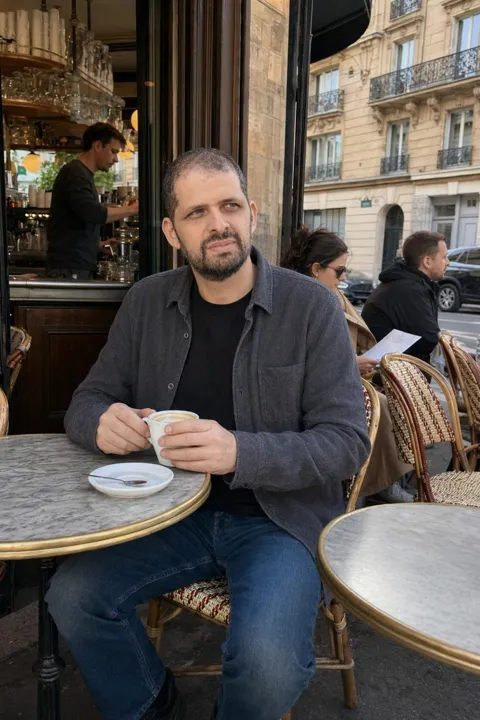
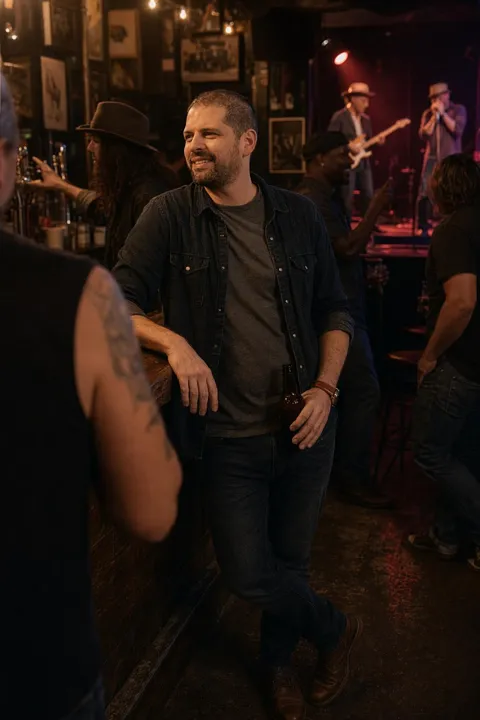
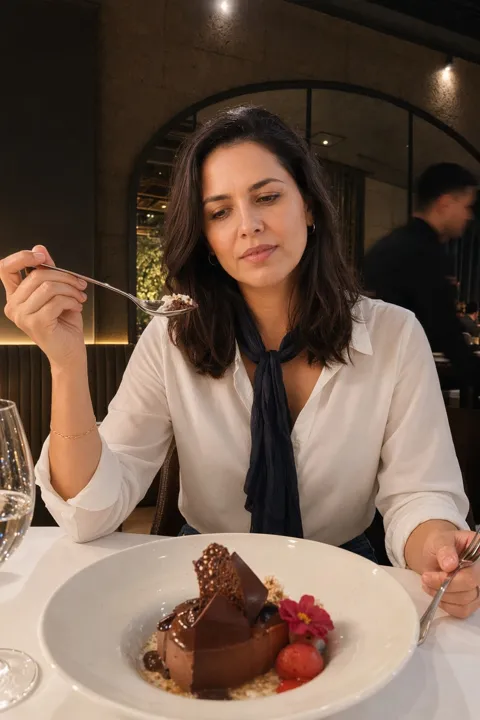
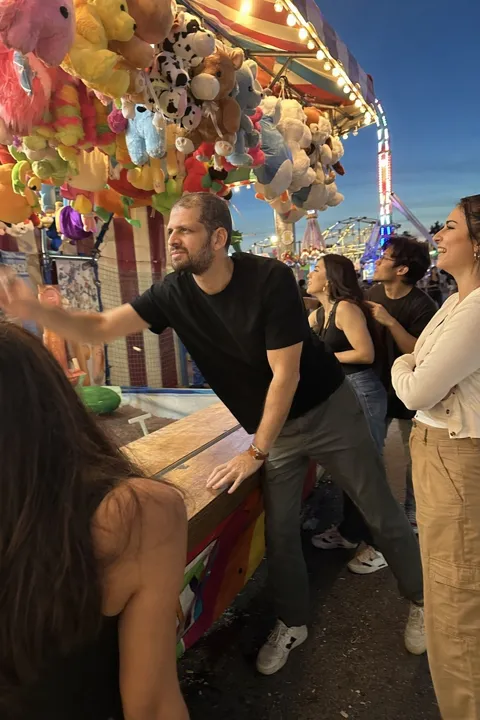
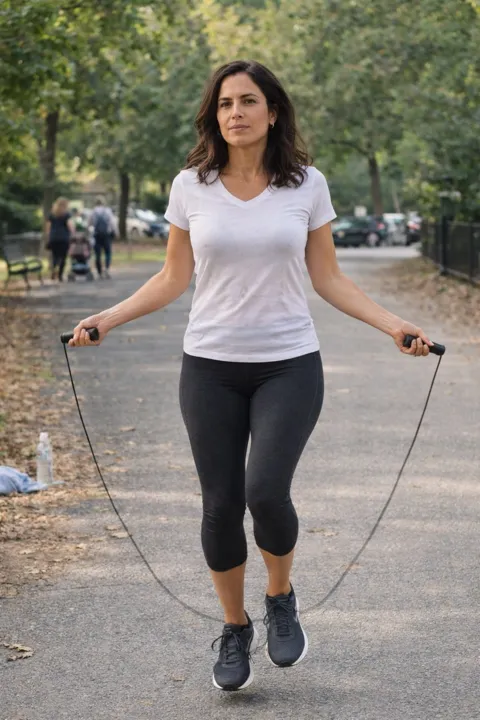
Two of his reference photos against an ordinary wall, and one result. Same hairline, same beard, same eyelids. Nothing smoothed, nothing slimmed.
What the two apps actually say
Read on their own pages on November 22, 2026. Linked, so you can check.
Tinder: your photos are checked against your live face
Tinder's Face Check is a short video selfie. Tinder says it checks that the video is of a real, live person and was not digitally altered, then detects your face in the selfie and in your profile photos, and uses it to check those photos and make sure no other profile is using your likeness. The Photo Verified badge follows once you upload a clear solo face photo that matches the face in your video selfie. Tinder does not publish how close the match has to be. Tinder's Face Check page.
Hinge: allowed if it does not misrepresent you, and best used sparingly
Hinge's AI principles say that if you include generative AI images in your profile, they should not be used to misrepresent yourself or your intentions. Hinge's AI principles. Its own dating guide goes further and recommends skipping AI-generated profile photos, citing 88% of Hinge daters as uncomfortable with them, and choosing recent photos that truly represent you. Hinge's guide to AI in dating.
What that means for an AI photo
Read together, the two apps describe the same photo: accurately you, recent, clear, and not the whole profile. That is a narrower target than "a great photo", and it is the one worth aiming at.
The face has to be yours
A check that compares facial geometry is not fooled by a better jaw; it is tripped by one. Nothing reshaped, nothing smoothed.
Mix, do not replace
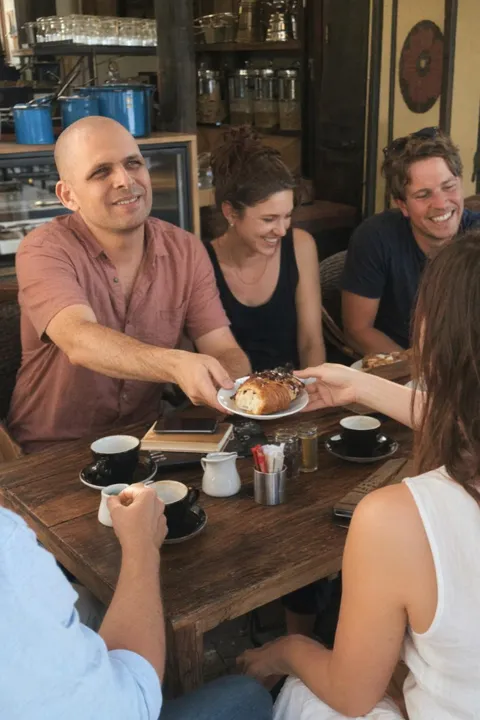
Keep recent real photos. Add one or two generated ones for what is missing: a real place, people around you.
A clear solo face first
The photo the badge asks for, and the one that decides the swipe: you, alone in frame, face clear, somewhere real.
Something to reply to
On Hinge people comment on a specific photo. A photo with a place and a moment in it gives them an opener.
The dating photo tools most often compared for Tinder and Hinge, with every price read off the vendor's own page.
Prices read from each vendor's own page on . Per-photo rates are our arithmetic from their published packs.
Tool
Entry price
Best rate per photo
Billing
Refund or trial
CMeIn
$2.99 for 2 photos
$1.31 at $20.99 for 16
One-time credits, never expire
Refund if it does not look like you
TrueLook
$29 for up to 30
$0.35 at $49 for up to 140
One-time packs
Free photo check before buying
DatePhotos.AI
$29 for 80
$0.44 at $79 for 180
One-time packs
7-day money back
FlirTune
$29 for up to 30
$0.32 at $79 for up to 250
One-time, launch pricing
Free watermarked preview
TinderProfile.ai
$14 for 20
$0.39 at $39 for 100
One-time packs
Money back on the first order
Lumatch
$6.99 for 18 credits
$0.26 at $27.99 for 108
One-time credits, never expire
2 free trial credits
LensCherry
$4.99 for 10 credits
$0.33 at $19.99 for 60
One-time credits, never expire
7-day money back
Fotto
$29.99 for 50 credits
Unclear: its own pages give 10, 20 and 40 photos
One-time credits, never expire
7 days, first purchase, only if nothing was downloaded
Photo AI
$19 a month
About $0.49 on the $49 plan
Monthly subscription
Not stated
Per photo, CMeIn is the most expensive tool in this table. It is also the cheapest way to find out whether a generator keeps your face: $2.99 for two photos, against a $29 floor at most of the others.
What it costs
Credit packs, no subscription. A photo costs 300 credits, and credits do not expire. Full pricing.
Try it$2.99600 credits · 2 photos
Most people$10.992,400 credits · 8 photos
A full profile$20.994,800 credits · 16 photos
Questions people actually ask
Are AI photos allowed on Hinge?
Hinge's AI principles say that if you include generative AI images in your profile, they must not be used to misrepresent yourself. Its own dating guide also recommends skipping AI-generated profile photos, saying 88% of Hinge daters are uncomfortable with them. So: allowed if they are accurately you, and best used sparingly, next to recent real photos. Hinge's AI principles
Are AI photos allowed on Tinder?
Tinder's verification is built around one question: whether your profile photos match your live face. A generated photo that is accurately you is consistent with that. A borrowed face, or one reshaped until it no longer matches, is exactly what the check is there to catch. the rules, app by app
Will these photos pass Tinder's Face Check?
Nobody can promise that, and anyone who does is guessing: Tinder does not publish how close a match has to be. What it does publish is the direction. Face Check compares a live video selfie with your profile photos, so the photo that keeps your real face is the one built for it, and the flattering one is not. what the check looks at
Should every photo on my profile be generated?
No. Use generated photos for what your camera roll is missing, usually a real place and a social moment, and keep recent real photos around them. That is also what Hinge recommends in its own guide.
Which photo should go first?
A clear solo face, recent, in a place that says something about you. On Tinder it is most of the decision; it is also the kind of photo the verification badge asks for. the first photo, in detail
Which AI tool is best for Tinder and Hinge photos?
The one whose output still looks like you, tested on your own face before you buy a big pack. We compared eleven, with every price from the vendor's own page. the full comparison
A photo that is you, before it goes on the app
Two phone photos, two results, $2.99. See whether the face that comes back is the one a check would match.